
“Your Daily Dose” is a quick two minute read packed with bite-sized wisdom from all the great teachers. But you could also choose to turn it into something more… a powerful daily practice for personal growth. Give it a try!
A message from today’s meditation:
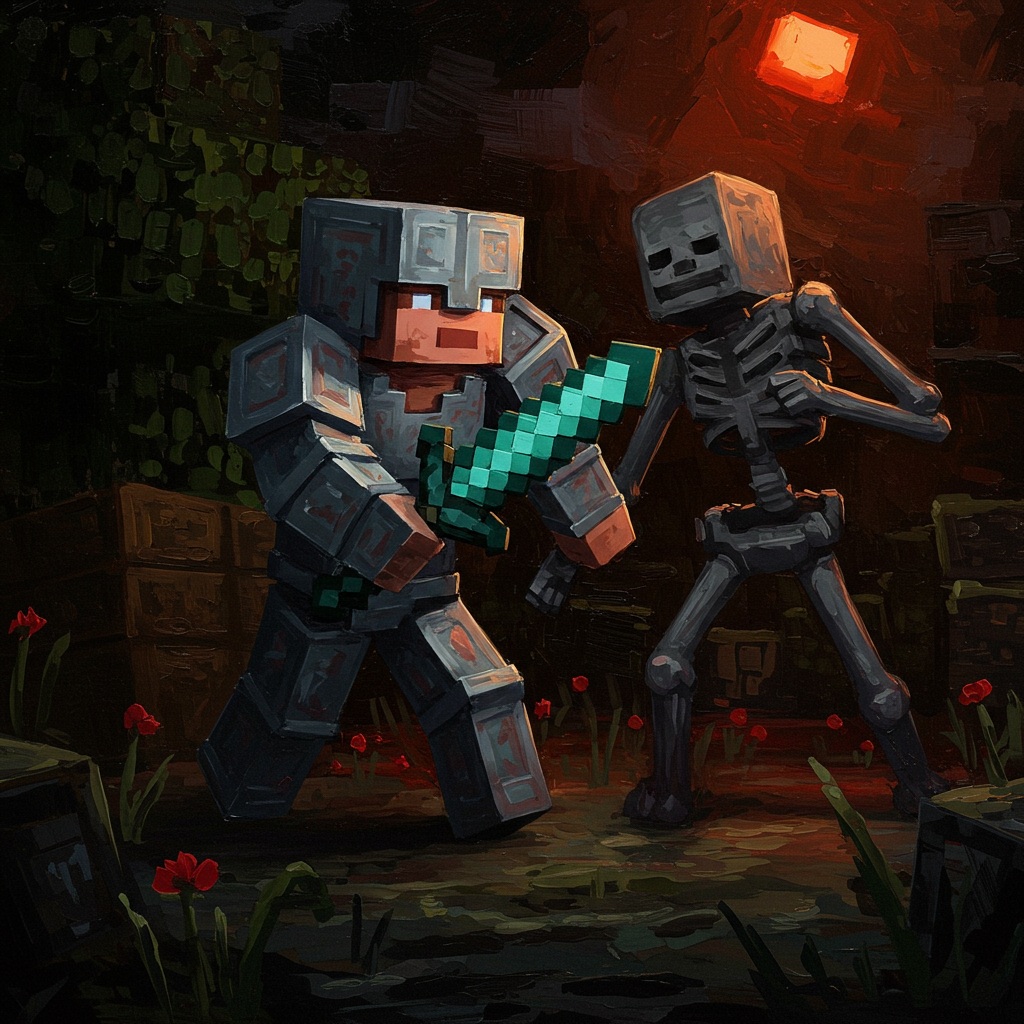
Today’s message starts in a completely different place than any of the previous ones… the computer game Minecraft!
If you’ve raised young kids during the last decade or so you’ll know all about it, but here’s a rundown if you’re unfamiliar –
Think of Minecraft as a digital Lego set on steroids. But instead of building houses and castles with bricks, your child is building them with blocks in a digital space. And instead of having a Lego manual, they have a world of infinitely more possibility.
It’s like giving your child a blank canvas and saying, “Go crazy, kid!” They can build anything from a humble farm to a towering skyscraper, or even an entire underground city filled with secret passages and hidden treasure.
Here’s why I mention Minecraft though, there are two modes in which this game can be played. You can play this game either in creative mode, which is a world of abundance – taking your time to give full expression to your creative genius – or you can play this game in survival mode, and did I mention the monsters? Yeah, in survival mode there are these not so friendly creatures called mobs that spawn all night every time the sun goes down. So, now the player has to build not only their dream home, but do it while battling a never ending onslaught of skeletons, and zombies, and creepers that sometimes destroy what has been built.
For now, I’ll put Minecraft aside and call in Wayne Dyer but don’t worry, we’ll get back to Minecraft soon.
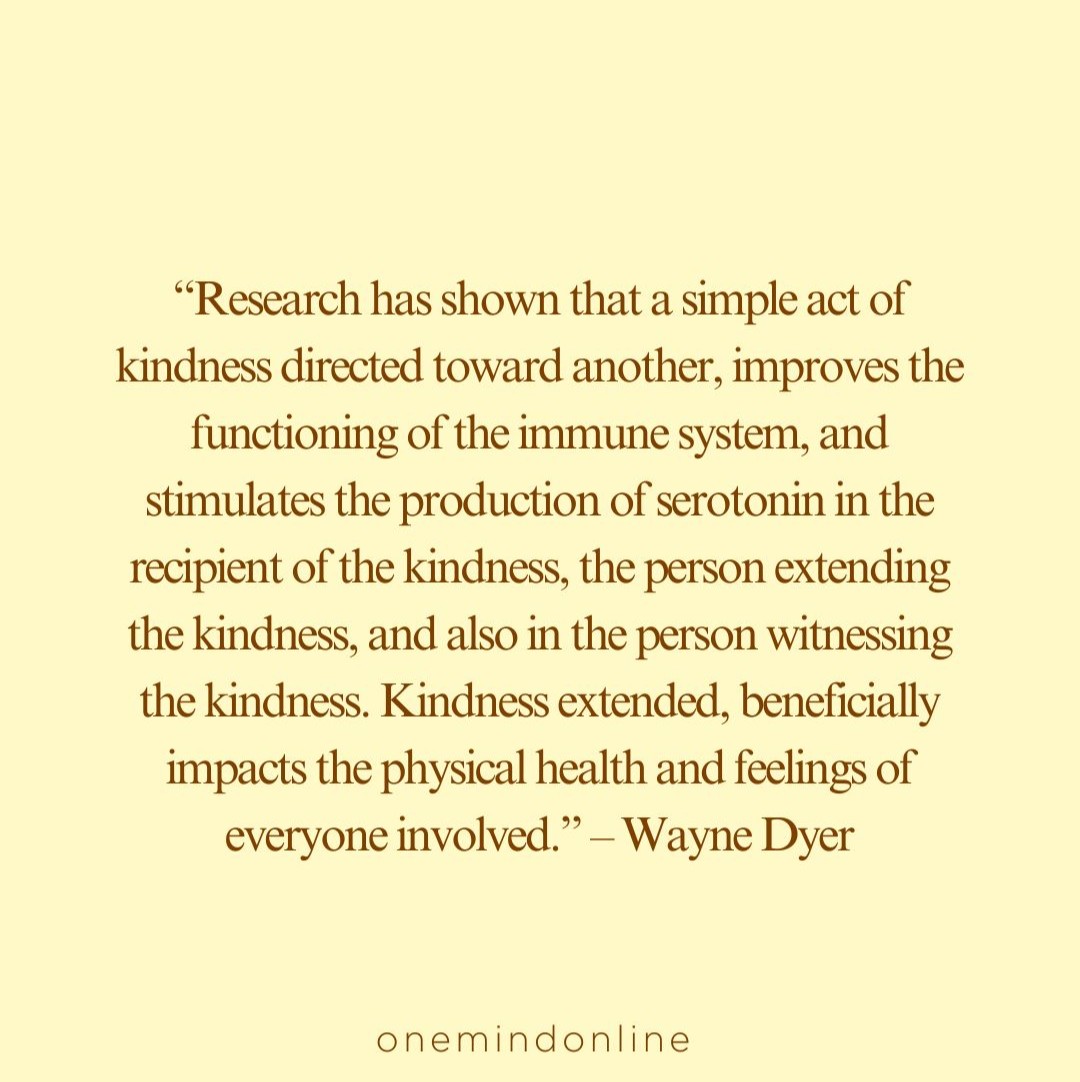
“Research has shown that a simple act of kindness directed toward another, improves the functioning of the immune system, and stimulates the production of serotonin in the recipient of the kindness, the person extending the kindness, and also in the person witnessing the kindness. Kindness extended, beneficially impacts the physical health and feelings of everyone involved.” – Wayne Dyer
Our brains and bodies are really quite magical, and forming a basic understanding of the neuro-biological and chemical processes that our bodies go through, make it clear just how much influence we can have over the experience that every cell in our body is having.
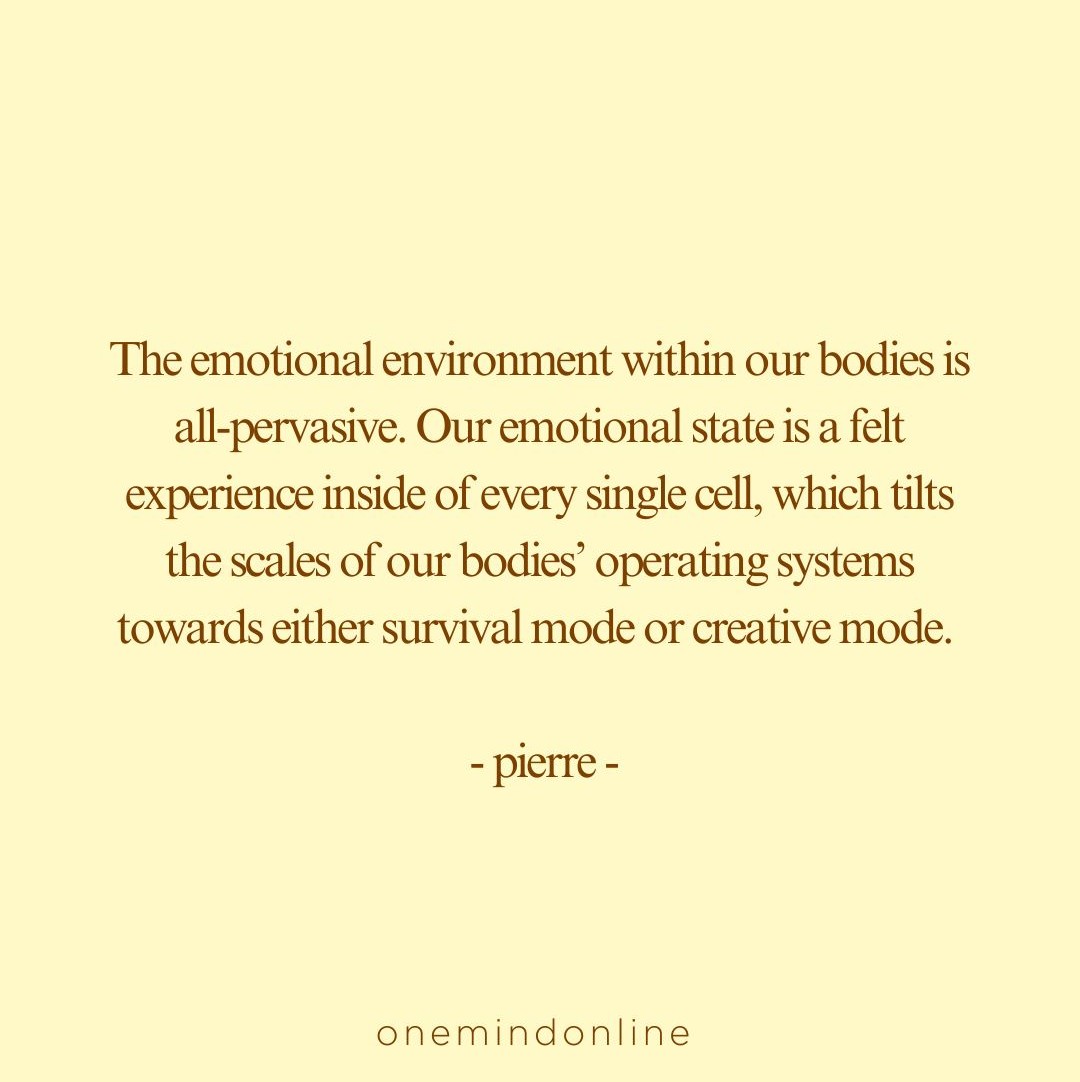
The emotional environment within our bodies is all-pervasive. Our emotional state is a felt experience inside of every single cell, which tilts the scales of our bodies’ operating systems towards either survival mode or creative mode.
However, our survival nervous system is not a ‘bad’ thing at all, it’s actually an important part of being a healthy human being. But staying in fight-or-flight permanently is detrimental to our health, and severely restricts our options in the world we are trying to build.
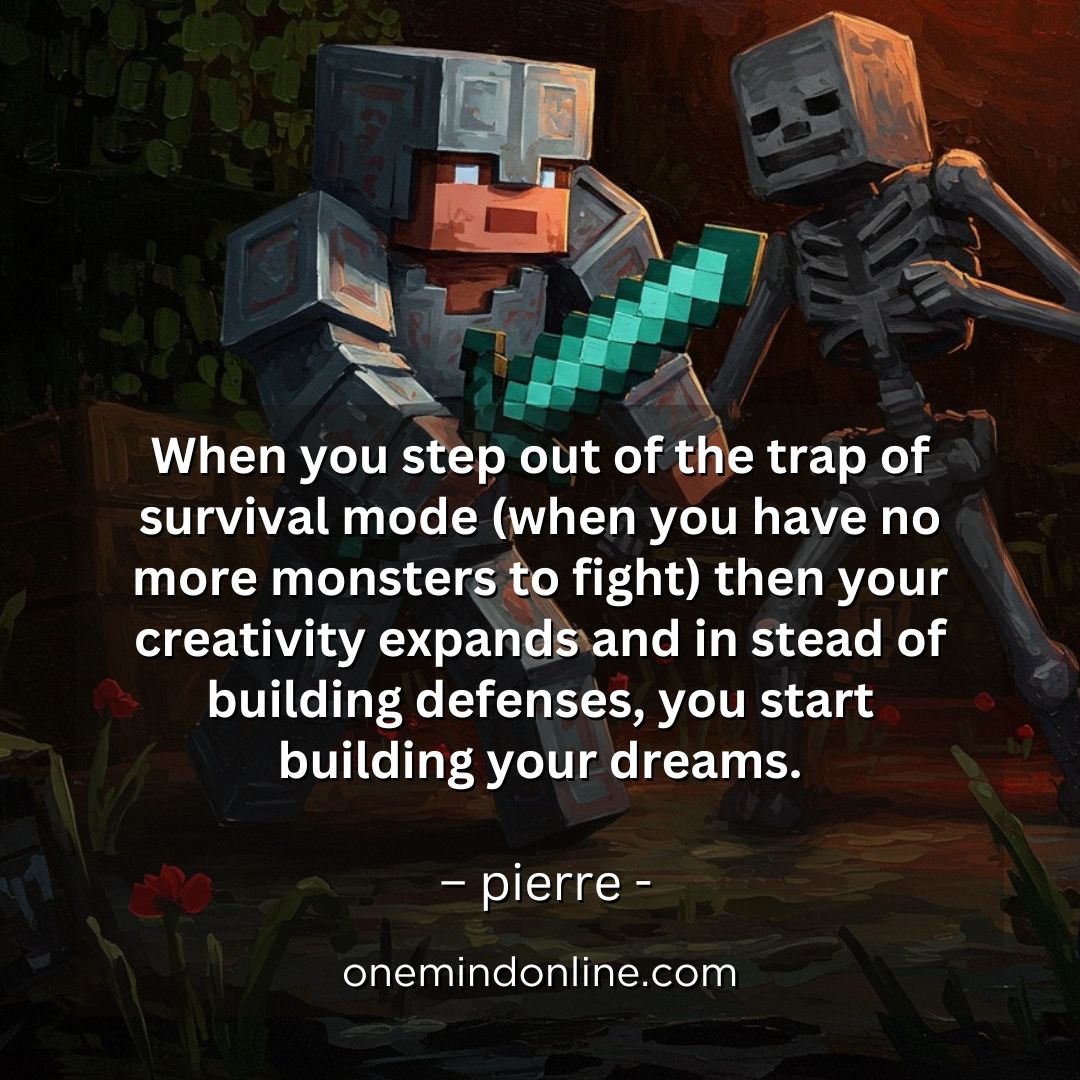
So let’s get back to the Minecraft analogy. In “Survival Mode” we are playing in a state of fear, trying to create our world while at the same time fighting off skeletons and creepers who threaten to destroy what we have built so far. This greatly influences what we allow ourselves to try and build when the biggest consideration is trying not to die when the sun goes down.
But when you step out of survival mode – when you step into “Creative Mode” and you have no monsters to fight – then your intention has a paradigm shift and your creativity expands! Instead of building the smallest earthen structure with wooden tools just to try and survive nightfall, you take the time to create stone or even iron tools and plan an intricate mansion! When you’re not fighting for your life, so many more options become available to you.
How do we make the shift from operating in survival mode to playing in creative mode? Our thoughts are what determines the state that our body lives in.
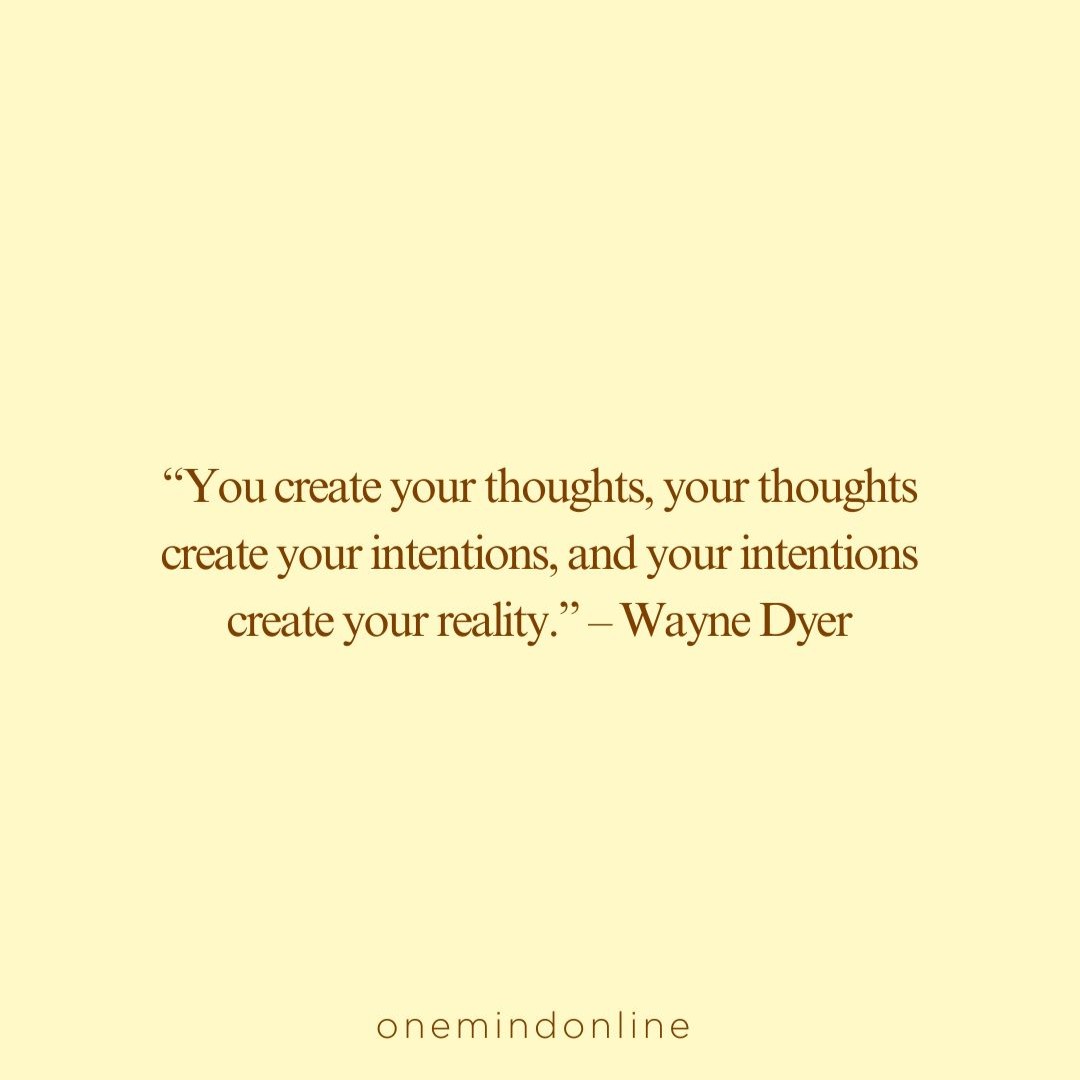
“You create your thoughts, your thoughts create your intentions, and your intentions create your reality.” – Wayne Dyer
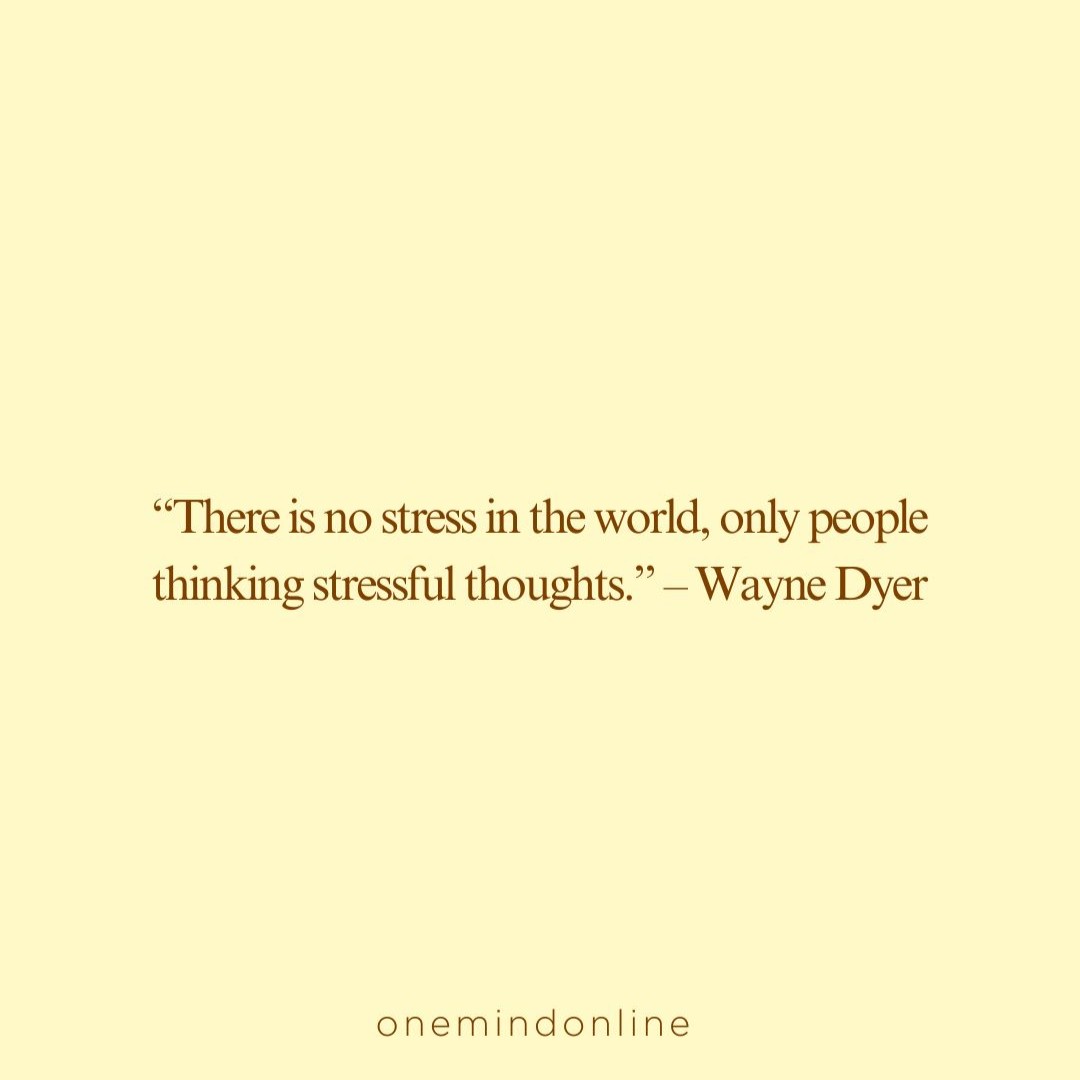
“There is no stress in the world, only people thinking stressful thoughts.” – Wayne Dyer
Today’s meditation journey is like an owner’s manual for your body. Come along for the ride and upgrade your understanding of how to be a good operator of this vehicle. Learn how to pull the levers of your nervous system and set yourself up with more time in creative mode.
So, how can we cultivate a more creative mindset?
- Practice mindfulness: Meditation and mindfulness exercises can help us become more aware of our thoughts and feelings, allowing us to choose more constructive ways of thinking.
- Cultivate gratitude: Focusing on the positive aspects of our lives can shift our perspective and reduce stress.
- Engage in creative activities: Pursuing hobbies and interests can help us tap into our creativity and find joy.
- Prioritize self-care: Taking care of our physical and mental health is essential for overall well-being.
By understanding the science behind our emotional states and making conscious choices about our thoughts and behaviors, we can break free from the cycle of survival mode and unlock our full potential.
– pierre –
Today’s LIVE meditation is: The science of meditation.
Today’s LIVE meditation
https://youtu.be/mxD2a6nxCIE 2026
https://youtu.be/mxD2a6nxCIE 2025
https://youtu.be/NQYp7SwdxRs 2024
https://youtu.be/-lk98J61rHc 2023
https://youtu.be/A_Z1Zdu6GXo 2022
https://www.youtube.com/watch?v=KIomr5ZA9qs 2020
Practice the “Daily Dose”
Let’s put it into practice! Choose what works for you – daily, once a week or whenever inspiration strikes. Putting pen to paper wires the neural pathways that will create your new habits.
1 – Affirmation
Not quite affirmations today. Write your favourite principle on a sticky note and place it somewhere that you’ll be able to see it the whole day.
- Practice mindfulness: Meditation and mindfulness exercises can help us become more aware of our thoughts and feelings, allowing us to choose more constructive ways of thinking.
- Cultivate gratitude: Focusing on the positive aspects of our lives can shift our perspective and reduce stress.
- Engage in creative activities: Pursuing hobbies and interests can help us tap into our creativity and find joy.
- Prioritize self-care: Taking care of our physical and mental health is essential for overall well-being.
2 – A moment of reflection
Use today’s question as a journal prompt. If you don’t have the time to sit down and write, just take a moment to reflect on your response.
Your Creative Vision: Imagine you could live in complete “creative mode” without any survival fears or limitations. What would you build in your life? Describe in detail the relationships, career, lifestyle, and personal growth you would pursue if you knew you couldn’t fail. What’s the difference between this vision and how you’re currently living?
3 – Quotes to share
Send a quote to someone who needs it, or share them all on social media to spread the good vibes!
4 – Q&A for deeper learning
Read through the questions and answers and write down at least one “aha moment” that clicked for you.
Q1. What exactly is the difference between survival mode and creative mode?
Survival mode is when your nervous system is in a constant state of fight-or-flight, causing you to make decisions based on fear, scarcity, and immediate threats. You’re focused on just getting through each day rather than building something meaningful. Creative mode, on the other hand, is when you feel safe enough to explore possibilities, take calculated risks, and invest time in building your ideal life without constantly looking over your shoulder for dangers.
Q2. Is it bad to be in survival mode sometimes?
Not at all! The survival nervous system is actually healthy and necessary – it’s designed to protect you from real threats. The problem arises when you remain stuck in chronic survival mode, which restricts your growth, creativity, and overall well-being. Short bursts of survival mode during actual emergencies are normal and beneficial.
Q3. How do I know if I’m operating from survival mode?
Common signs include: making decisions primarily based on fear, feeling constantly stressed or anxious, focusing on what could go wrong rather than what could go right, settling for “good enough” instead of pursuing your dreams, and feeling like you’re always fighting against circumstances rather than creating with them.
Q4. Can thoughts really change my physical health and nervous system?
Yes, according to research cited by Wayne Dyer and numerous scientific studies. Your emotional state affects every cell in your body, influencing immune function, hormone production, and overall health. When you shift your thinking patterns, you literally change your body’s operating system from survival-focused to growth-focused.
Q5. What’s the fastest way to shift from survival to creative mode?
Start with mindfulness and breath work to interrupt the fight-or-flight response. Then practice gratitude to shift your focus from what’s wrong to what’s working. However, remember that this is a process, not a one-time switch. Consistent practice of mindfulness, self-care, and conscious thought management will gradually rewire your default operating system.
Q6. What if my life circumstances genuinely require survival mode thinking?
It’s worth reconsidering this question altogether: survival mode is designed for genuine life-threatening danger, not for the ordinary difficulties life throws at us. Even when you’re facing real financial insecurity or a serious health crisis, you’re actually more likely to find effective solutions by operating from creative mode rather than survival mode, because fight-or-flight narrows your focus to immediate threat response and shuts down the exact cognitive resources – clear thinking, resourcefulness, long-term planning – that these situations demand. Financial insecurity calls for creative problem-solving around income and opportunity, not panic. A health crisis calls for calm, informed decision-making, not fear-driven reactivity. So rather than assuming hard circumstances justify survival mode thinking, treat them as the moments when consciously shifting into creative mode matters most.
Q7. How does kindness relate to operating in creative mode?
Research shows that acts of kindness – whether given, received, or even observed – improve immune function and increase serotonin production. When you practice kindness, you’re essentially signaling to your nervous system that you’re safe enough to care for others, which naturally shifts you out of survival mode and into a more creative, expansive state of being.