
“Your Daily Dose” is a quick two minute read packed with bite-sized wisdom from all the great teachers. But you could also choose to turn it into something more… a powerful daily practice for personal growth. Give it a try!
A message from today’s meditation:
One of the messages that’s very often on repeat in our morning meditation, is about coming to terms with all of the things that are not within our control. Elizabeth Gilbert’s message for us today however, highlights many of the things that we really should take ownership of –
“There is so much about my fate that I cannot control, but other things do fall under my jurisdiction. I can decide how I spend my time. I can decide whom I interact with, whom I share my body and life and money and energy with. I can select what I can read, and eat and study. I can choose how I’m going to regard unfortunate circumstances in my life – whether I will see them as curses or opportunities. I can choose my words and the tone of voice in which I speak to others.” – Elizabeth Gilbert
So if I have clarity about what is mine to act on, why is it still so easy to get caught up in trying to control what is not mine?
For the most part it is because I am operating from some old messaging. Stuck in some kind of meaning that I made in the past, and this past story that I am telling myself is what’s trying to exercise control over what is not mine in this present moment.
My old stories have the power to keep me blind to the potential that the present moment offers, wasting my energy on what is not within my grasp, while failing to tend to the very simple principles that are mine to control. And the truth is that the things we need to be present for ARE really simple, and when we show up for these small decisions, our whole life changes.
There are really three things that we need to be present for, need to take responsibility for:
- What comes in – I consciously choose what I consume, through my eyes and my ears and my mouth.
- What goes out – I slow down and choose my words and actions with wisdom and care.
- My people – I consciously choose who I spend time with and who I don’t spend time with.
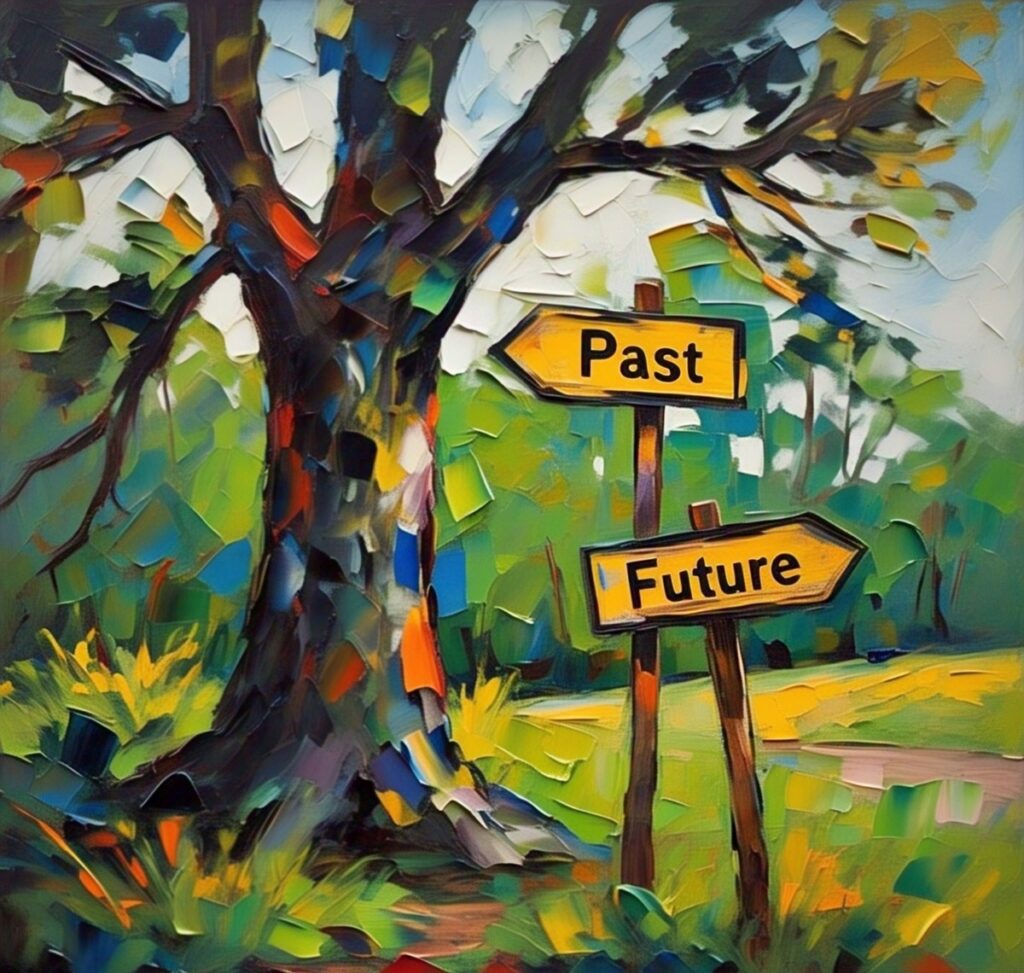
When I am not being present every action I take is on autopilot, decided by an old subconscious programme created by an event from my past. Being “present” means, I spend my energy only on how I CAN be effective in this moment right now.
It’s amazing how much energy we can literally throw away into the void by trying to control things and people that are beyond our control. And the thing is, this doesn’t come cheaply, it comes at a huge cost, sometimes all of our energy will be spent this way and we will be left with nothing.
Imagine that you only spent your energy taking the tiny actions that will cultivate the life you truly desire… Just imagine how much more energized you would feel.
To cultivate a more present and empowered life, consider these guiding mantras:
- “I consciously choose what I consume, through my eyes and my ears and my mouth.”
- “I slow down and choose my words with wisdom and care.”
- “I consciously choose who I spend time with and who I don’t spend time with.”
Being present isn’t just a buzzword; it’s a conscious choice about where we want to spend our energy, and aligning our actions with our intentions. When we operate from this place of awareness, we break free from the chains of the past and step into our true potential.
– pierre –
Today’s LIVE meditation is: The power of NOW.
Today’s LIVE meditation
https://youtu.be/LaoHSOkG5vs 2026
https://youtu.be/zxEZgBmTlnQ 2025
https://youtu.be/rUKF6BgSb1Q 2024
https://youtu.be/P_AvJUEtD9I 2023
https://www.youtube.com/watch?v=_G9eK5im0LE&t=1s 2022
Practice the “Daily Dose”
Let’s put it into practice! Choose what works for you – daily, once a week or whenever inspiration strikes. Putting pen to paper wires the neural pathways that will create your new habits.
1 – Affirmation
Write down your favourite affirmation on a sticky note and place it somewhere that you’ll be able to see it the whole day.
- “I consciously choose what I consume, through my eyes and my ears and my mouth.”
- “I slow down and choose my words with wisdom and care.”
- “I consciously choose who I spend time with and who I don’t spend time with.”
2 – A moment of reflection
Use today’s question as a journal prompt. If you don’t have the time to sit down and write, just take a moment to reflect on your response.
Mapping Your Circle of Control: Using Elizabeth Gilbert’s framework, create an inventory of what truly falls under your jurisdiction. She reminds us that these are the things that we do have control over, make a list of them: How you spend your time. Who you interact with. Who you share your body, your life, and your money with. What you choose to read. What you choose to eat. How you choose to see the unfortunate circumstances in your life. How you choose to speak to others. How you choose to act towards others – Now take the time to put into words what it is that you choose for each of these topics. And once you’re done, go through them again and consider your automatic responses. Do your automatic responses match the things that you would consciously choose, or are your automatic responses far removed from what you would have chosen consciously? Where do you see the biggest gaps that need your attention?
3 – Quotes to share
Send a quote to someone who needs it, or share them all on social media to spread the good vibes!
4 – Q&A for deeper learning
Read through the questions and answers and write down at least one “aha moment” that clicked for you.
Q1: What exactly is “past programming” and how do I know if I’m operating from it?
Past programming refers to unconscious patterns and automatic responses created by previous experiences, often from childhood or significant life events. You’re likely operating from past programming when you find yourself reacting emotionally before thinking, repeatedly attracting similar problematic situations, or feeling stuck in patterns that don’t serve your current goals. Signs include feeling triggered by certain types of people or situations, making decisions based on fear rather than possibility, or finding yourself saying “I always…” or “I never…” in limiting ways.
Q2: How can I tell the difference between what I can and cannot control?
A helpful rule of thumb: if it requires someone else to change their behavior, thoughts, or decisions for you to get your desired outcome, it’s likely outside your control. You can control your actions, words, choices, responses, and efforts, but you cannot control other people’s reactions, the weather, economic conditions, or past events. Practice asking yourself: “What part of this situation is actually mine to influence?” Focus your energy there.
Q3: I understand the concept intellectually, but I keep falling back into old patterns. Why is this so difficult?
This is completely normal and part of the human experience. Old patterns exist in our nervous system and subconscious mind, making them feel automatic and familiar. Change requires consistent practice and patience with yourself. Start small – choose one area where you can practice present-moment awareness daily, like how you respond to frustrating situations or how you choose to spend your free time. Neural pathways change through repetition, not perfection.
Q4: There are people and circumstances in my life causing me tremendous suffering. I understand I can’t control their actions, but their actions really hurt me, and I physically can’t escape this situation right now. How do I deal with this in an empowering way?
When you can’t remove yourself from a painful situation, empowerment shifts inward, toward the space between what happens to you and how you respond to it. Start by acknowledging your pain fully; suffering that’s minimized or denied only grows heavier. Then look for the small pockets of jurisdiction that remain yours even within a constrained situation: how you interpret the meaning of what’s happening, where you direct your attention when you’re not directly engaged with the person or circumstance, the boundaries you can set around conversations or physical proximity however modest, and the self-care practices you protect fiercely, whether that’s five quiet minutes, a call to a trusted friend, or a journal where you process what you’re carrying. You need to create multiple “internal anchors,” small mental and emotional practices you return to throughout the day to remind you that even here, even now, some part of you remains untouched and free, that you are more than what is happening to you in this moment, and that your inner world is still yours to govern. This isn’t about pretending the pain doesn’t matter or forcing gratitude you don’t feel; it’s about refusing to let a situation you can’t currently leave also hijack the parts of your mind and spirit you still govern. If you’re carrying this alone, please don’t go it alone. A therapist, counselor, or trusted support network can help you find both perspective and practical options for your specific circumstances, and if you’re ever in danger, prioritize your safety and reach out to people or professionals who can help you plan next steps.
Q5: What does “being present” actually look like in daily life?
Being present means making conscious choices rather than automatic ones. It looks like pausing before reacting, choosing your words intentionally, eating with awareness rather than distraction, engaging fully in conversations instead of planning what you’ll say next, and regularly checking in with yourself about whether your actions align with your values. It’s not about perfection – it’s about increasing moments of conscious awareness throughout your day.
Q6: How do I stop wasting energy on things I cannot control without becoming passive or uncaring?
There’s a crucial difference between acceptance and passivity. Acceptance means acknowledging reality as it is, which actually frees up energy for effective action. You can still care deeply about bigger issues, while focusing your active energy on what you can influence. For example, you might deeply care about social justice (beyond your control) while focusing your energy on your own actions, donations, and conversations (within your control). This approach is more effective than exhausting yourself trying to control outcomes directly.
Q7: What should I do when people around me are stuck in their own past programming and it affects me?
This is where boundary-setting becomes crucial. You cannot control their programming, but you can control your response and level of engagement. Practice choosing your words wisely, limiting time with people who drain your energy, and maintaining your own present-moment awareness even when others are reactive. Sometimes the most loving thing you can do is model conscious behaviour rather than trying to change or fix others. Focus on being the person you want to be, regardless of how others choose to show up.