

“Your Daily Dose” is a quick two minute read packed with bite-sized wisdom from all the great teachers. But you could also choose to turn it into something more… a powerful daily practice for personal growth. Give it a try!
A message from today’s meditation:
We all carry wounds, big or small, that leave their mark on our hearts and minds. The path to healing often feels like a long and arduous journey, filled with the hope of someday becoming whole again. But what if the answer to wholeness lies not in waiting for some miraculous healing to happen, but in actively embracing – deliberately holding – every part of the human you are right now, just as you are?
We can chase therapies, self-help books, and the latest wellness trends, all in pursuit of that elusive state of “wholeness”, but nothing really changes until we can look in the mirror and actually start to love what we see there.
We’ve been taught to believe that healing comes first – that once we’ve mended our wounds, processed our trauma, and fixed what’s broken, then… we’ll finally feel whole again. But what if we’ve had it backwards this entire time?
“Love is the greatest healing power I know. Love can heal even the deepest and most painful memories because love brings the light of understanding to the darkest corners of our hearts and minds.” – Louise Hay
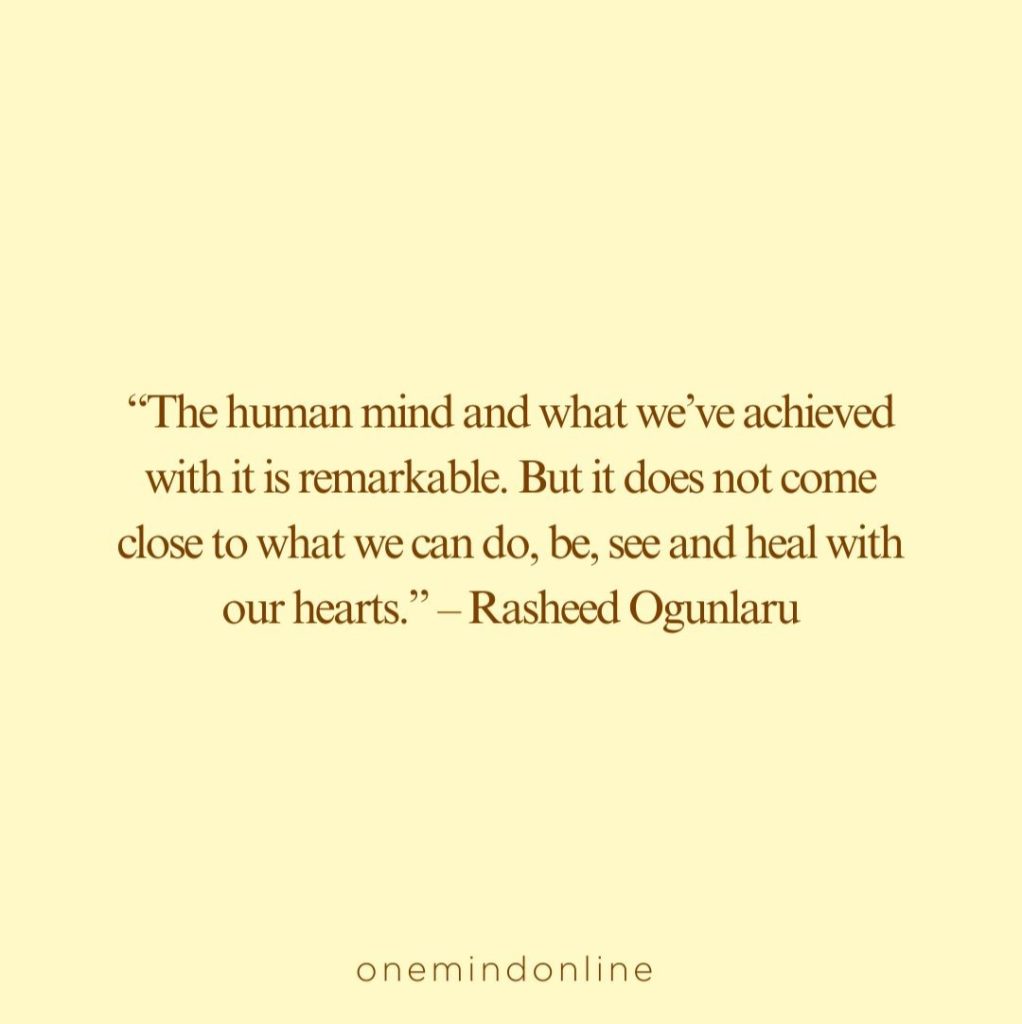
“The human mind and what we’ve achieved with it is remarkable. But it does not come close to what we can do, be, see and heal with our hearts.” – Rasheed Ogunlaru
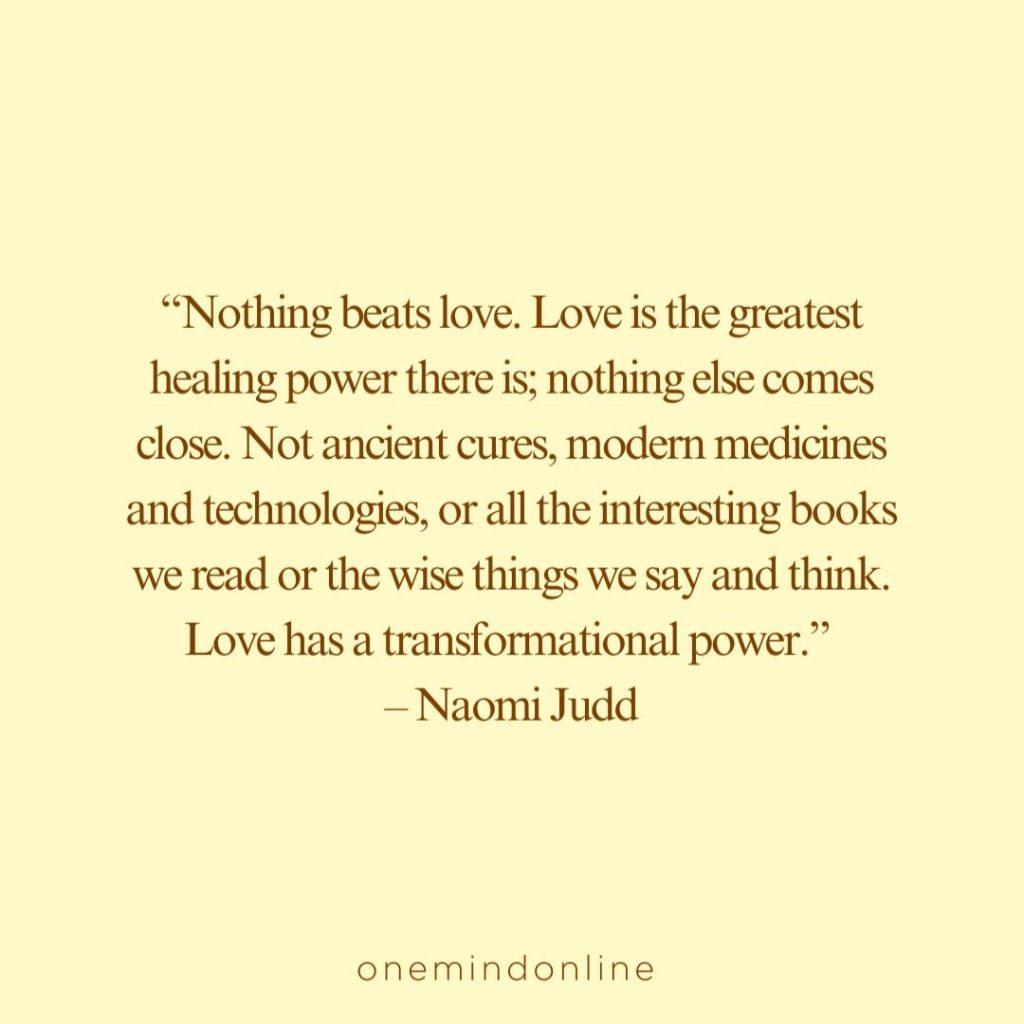
“Nothing beats love. Love is the greatest healing power there is; nothing else comes close. Not ancient cures, modern medicines and technologies, or all the interesting books we read or the wise things we say and think. Love has a transformational power.” – Naomi Judd
The words above are all beautiful, but it is when we truly understand the practical application and implementation in a way that we can embody, that we go from beautiful to powerful! And the next thought from Stephen Levine really gets to the power that love can play in our healing:
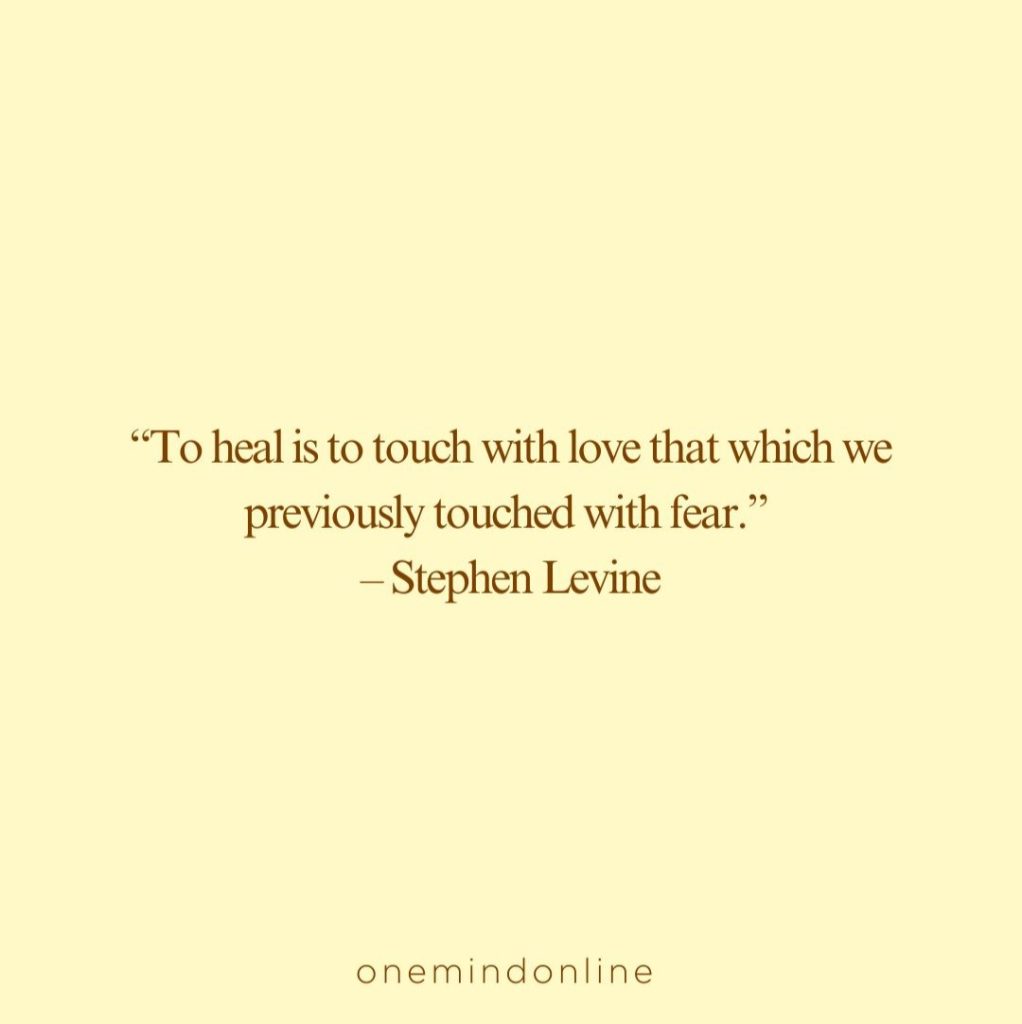
“To heal is to touch with love that which we previously touched with fear.” – Stephen Levine
This shift in perspective is fundamental, it speaks of seeing yourself through a different lens. Not waiting for yourself to be perfect and then liking what you see, but being able to approach the parts of yourself that you have been avoiding, and hold them in love right now… to heal is to touch with love that which we previously touched with fear…
This is at the core of my work and message. Being able to find love for the parts of ourselves that we used to fear and even hate, creates within us the wholeness that we have always been seeking. And then finally we understand that it’s not healing that makes us whole, but it’s becoming whole that makes us heal.
Pushing away what is not perfect, is what causes our lack of wholeness, and we’ll only BE whole when we’re able to draw closer and hold that which is flawed.
Mantras for embracing my wholeness:
- “I choose to love myself, fully and completely.”
- “I embrace all parts of myself, even the ones I find challenging.”
- “My wholeness is my birthright, and I claim it now.”
- “With love as my guide, I become whole and I heal.”
Wholeness is not some eventual destination, it’s the continuous journey of opening up to your own love. You are not broken waiting to be fixed. You are an inherently whole being, and it’s through this realization that true healing unfolds.
Have a beautiful Friday peeps!
– pierre –
Today’s LIVE meditation is: Sharing love.
Today’s LIVE meditation
https://youtu.be/Pvo1CSLd35w 2025
https://youtu.be/0arK8AL-7OI 2024
https://youtu.be/x5a1D4D4zIE 2023
Practice the “Daily Dose”
Let’s put it into practice! Choose what works for you – daily, once a week or whenever inspiration strikes. Putting pen to paper wires the neural pathways that will create your new habits.
1 – Affirmation
Write down your favourite affirmation on a sticky note and place it somewhere that you’ll be able to see it the whole day.
- “I choose to love myself, fully and completely.”
- “I embrace all parts of myself, even the ones I find challenging.”
- “My wholeness is my birthright, and I claim it now.”
- “With love as my guide, I become whole and I heal.”
2 – A moment of reflection
Use today’s question as a journal prompt. If you don’t have the time to sit down and write, just take a moment to reflect on your response.
The Mirror Exercise: When you look in the mirror, what do you see? Write honestly about your first reactions, then challenge yourself: What would change if you chose to love what you see there, right now, without waiting for improvement or change? How would your relationship with yourself transform?
3 – Quotes to share
Send a quote to someone who needs it, or share them all on social media to spread the good vibes!


4 – Q&A for deeper learning
Read through the questions and answers and write down at least one “aha moment” that clicked for you.
Q1: How can I become whole if I genuinely have trauma that needs healing?
This isn’t about denying your trauma or skipping necessary healing work. It’s about these two questions, “which parts of you are you rejecting as a result of your trauma?” and, “do you understand that as long as you reject and abandon any part of yourself, you will never experience wholeness?” This is about understanding the process of healing – understanding that you don’t heal first and then finally find acceptance for the image in the mirror. You have to love the reflection in the mirror first, and only then will wounds slowly start to heal.
Q2: Isn’t self-acceptance just an excuse to avoid personal growth?
Quite the opposite. True self-acceptance creates the safety needed for authentic growth. When you accept yourself fully, you’re no longer growing from a place of self-hatred or “not enough-ness.” You’re growing from love, which is sustainable and transformative. Rejection of self keeps us stuck; acceptance creates the foundation for real change.
Q3: What does it practically mean to “touch with love what I previously touched with fear”?
It means consciously changing how you relate to your difficult emotions, memories, or traits. Instead of avoiding shame, you acknowledge it with curiosity. Instead of hating your anxiety, you ask what it’s trying to protect. Instead of criticizing your body, you thank it for carrying you. It’s bringing gentle awareness and compassion to what you’ve been rejecting.
Q4: How do I love parts of myself that have caused harm to others or myself?
Loving these parts doesn’t mean condoning harmful behaviors. It means recognizing that these aspects of you often developed as survival mechanisms or from your own wounds. You can take full responsibility for harm caused while still holding compassion for the wounded person who acted from that place. Accountability and self-love aren’t mutually exclusive—they’re both necessary for true transformation.
Q5: I’ve tried positive affirmations before and they felt hollow. How is this different?
Affirmations feel hollow when they contradict what we actually believe about ourselves. The difference here is that you’re not trying to convince yourself you’re perfect—you’re claiming wholeness despite imperfection. You’re not affirming an ideal future self; you’re recognizing the completeness of your present self. That authenticity makes the practice powerful rather than performative.
Q6: Can I really be whole while still struggling with mental health issues?
Absolutely. Wholeness doesn’t mean the absence of struggle, pain, or mental health challenges. It means no longer fracturing yourself by rejecting the parts of your experience that feel difficult. You can be whole while depressed, anxious, or healing from complex trauma. Wholeness is about integration, not perfection. Your mental health journey and your inherent wholeness coexist.
Q7: How long does it take to shift from seeking healing to embracing wholeness?
This isn’t a one-time realization but an ongoing practice. Some people experience immediate shifts in perspective, while for others it’s a gradual unfolding. The timeline matters less than the consistency of the practice. Each time you choose self-compassion over self-criticism, you’re strengthening this new way of being. Be patient with yourself—this itself is an act of embracing wholeness.