

“Your Daily Dose” is a quick two minute read packed with bite-sized wisdom from all the great teachers. But you could also choose to turn it into something more… a powerful daily practice for personal growth. Give it a try!
A message from today’s meditation:
It’s so easy to experience the world as a hostile place. In a world saturated with negative headlines and endless streams of disappointing news, it’s almost difficult not to develop a cynical worldview. We scroll through social media, watch the news, and witness humanity’s capacity for harm, sometimes leaving us feeling disconnected from the very species we belong to.
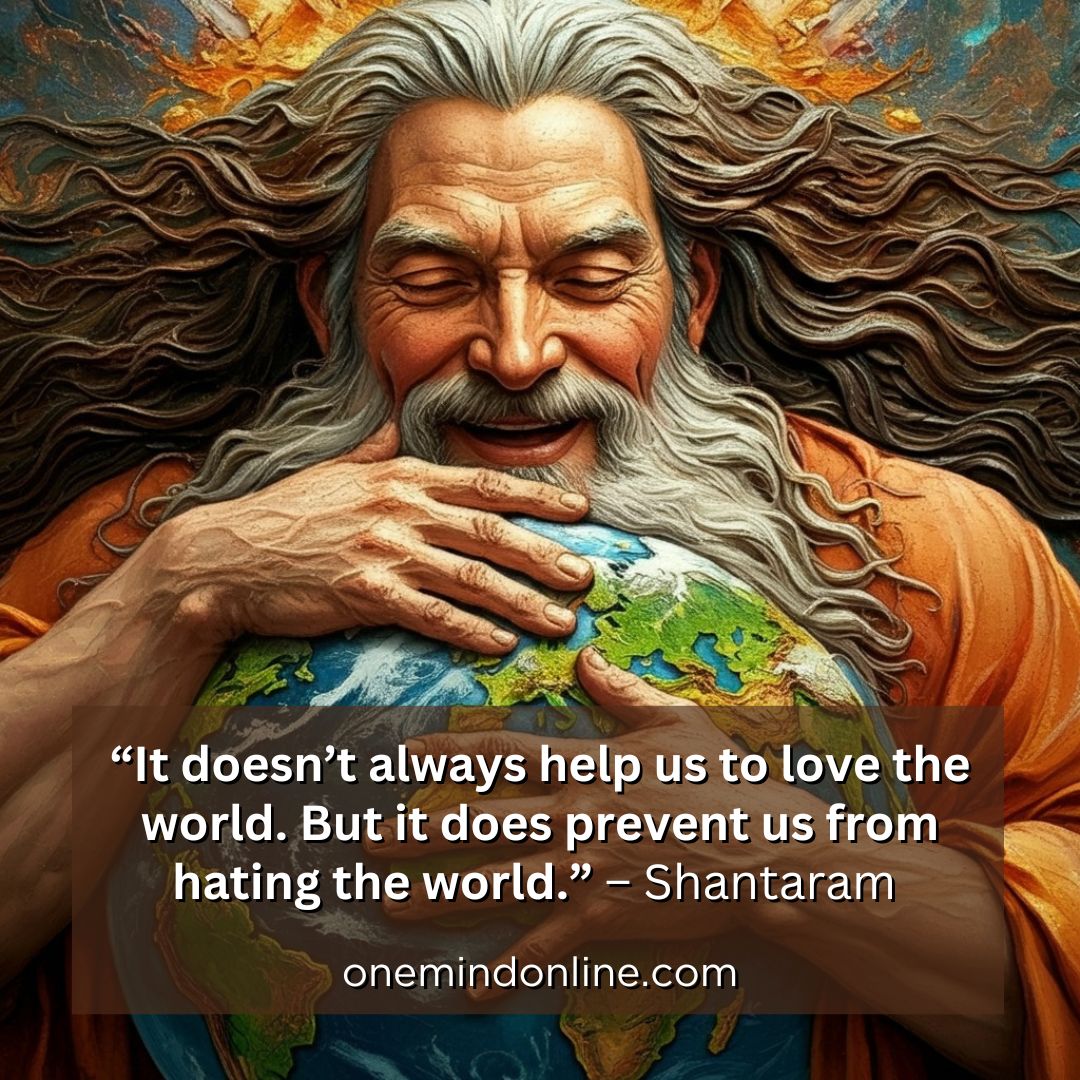
I am reminded of a phrase I read in the book Shantaram years ago that hit me right in the heart:
“It doesn’t always help us to love the world. But it does prevent us from hating the world.” – Shantaram
Falling into that trap of ‘hating’ the world is easy because there is so much really negative news out there but it never serves us – seeing only the ‘bad’ in the world only serves to make us feel isolated. And in our isolation we are likely to miss out on all the good we could be surrounding ourselves with too. We have to do the work to recognize all the good that exists because:
We don’t create a better world while we are throwing stones at one another. We don’t do better, unless we do better together.
“Make a conscious effort to surround yourself with positive, nourishing, and uplifting people — people who believe in you, encourage you to go after your dreams, and applaud your victories.” – Jack Canfield
“Keep in mind that part of growing up is dealing with difficult issues, and the benefits can be great if you have the courage to ask for help. Human beings are not designed to go through life alone. No one has to bear the burden of tough times all by themselves.” – Jack Canfield
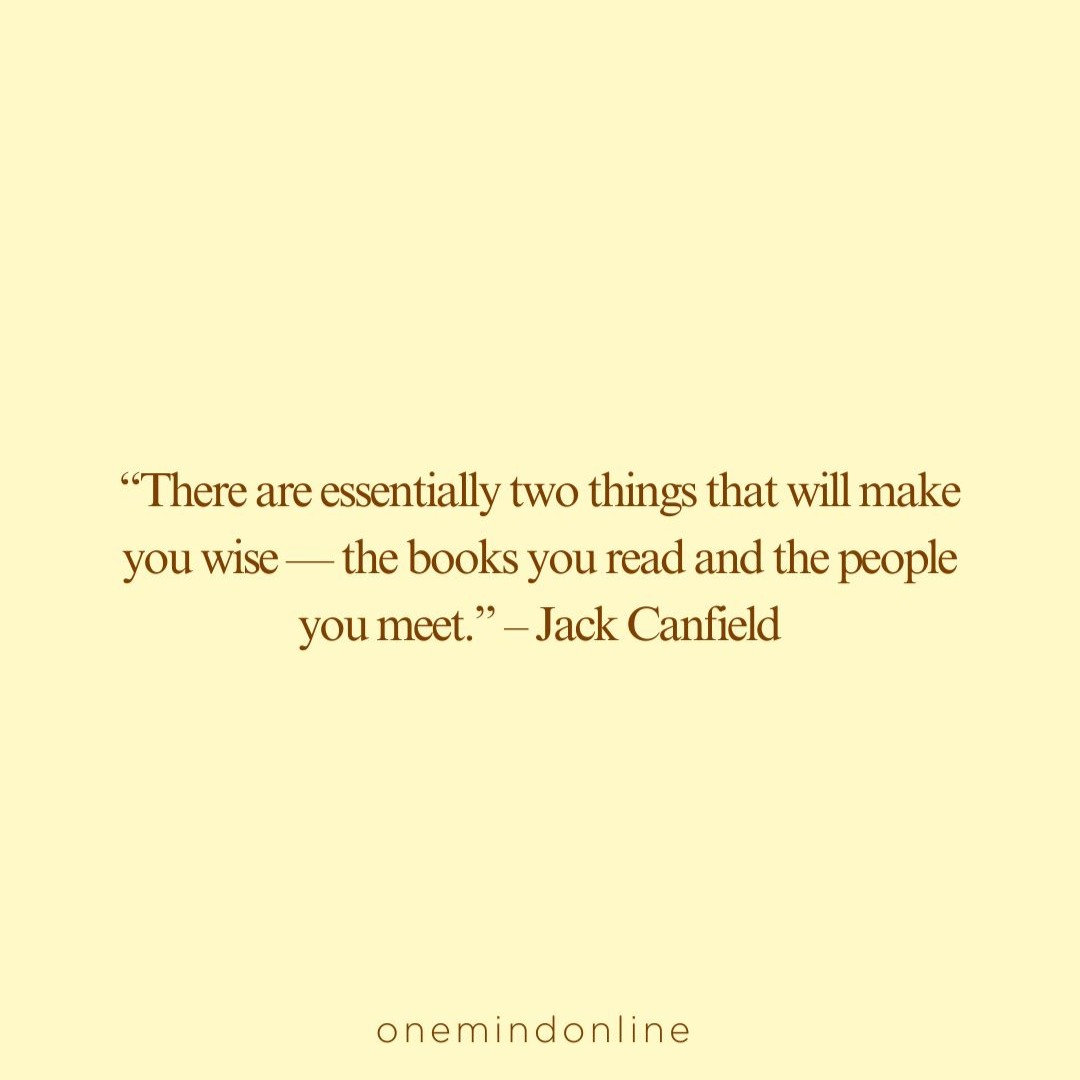
“There are essentially two things that will make you wise — the books you read and the people you meet.” – Jack Canfield
Today’s meditation journey serves as a blessing to the humans in the world around you. It’s an acknowledgement that everyone is dealing with their own difficulties that we might know nothing about. We can choose to have hate for our fellow humans because of their actions or we can choose to show love even when we disagree, in fact especially when we disagree.
How we collectively show up IS how we create the world. So if we have an idea of what we want the world to look like, then we have to show up and BE that.
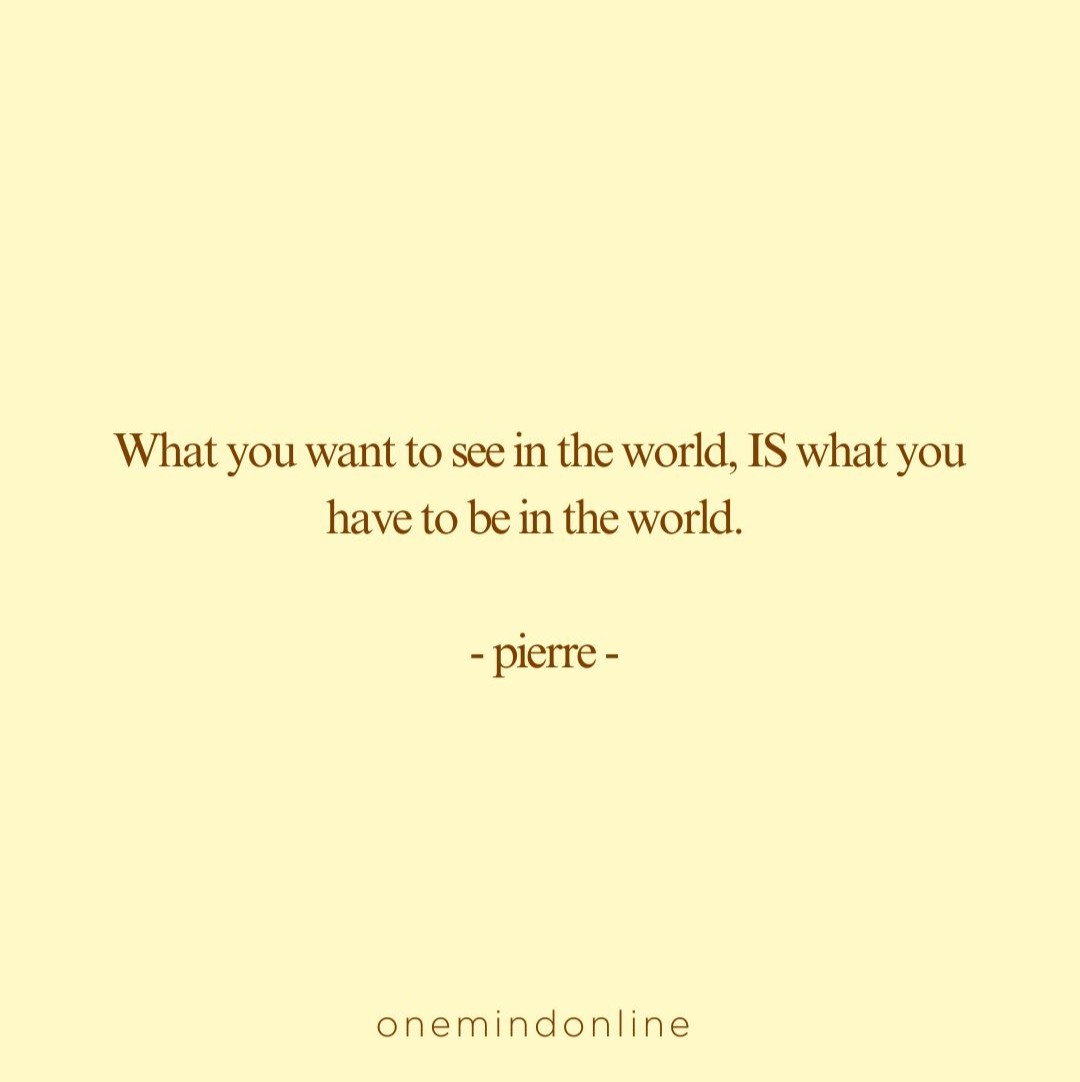
What you want to see in the world, IS what you have to be in the world.
A few thoughts to reflect on:
- “I choose love over hate, even when darkness surrounds me.”
- “I have the courage to ask for help when life feels overwhelming.”
- “I practice gratitude daily, shifting my perspective toward abundance.”
- “I attract positive, supportive people who encourage my highest potential.”
- “I believe in love’s power to transform both my life and the world around me.”
Ultimately, our collective actions shape the world we live in. If we want a world that is filled with love, compassion, and understanding, we must embody those qualities ourselves. By choosing to love the world, even in its imperfections, we can contribute to a more positive and harmonious future.
– pierre –
Today’s LIVE meditation is: Tonglen
Today’s LIVE meditation
https://youtu.be/wxeL7av2Lfs 2025
https://youtu.be/yHY7KRYAAY8 2024
https://youtu.be/GhgD-V2Wg2I 2023
https://youtu.be/bwWNKWJOIk4 2022
Practice the “Daily Dose”
Let’s put it into practice! Choose what works for you – daily, once a week or whenever inspiration strikes. Putting pen to paper wires the neural pathways that will create your new habits.
1 – Affirmation
Write down your favourite affirmation on a sticky note and place it somewhere that you’ll be able to see it the whole day.
- “I choose love over hate, even when darkness surrounds me.”
- “I have the courage to ask for help when life feels overwhelming.”
- “I practice gratitude daily, shifting my perspective toward abundance.”
- “I attract positive, supportive people who encourage my highest potential.”
- “I believe in love’s power to transform both my life and the world around me.”
2 – A moment of reflection
Use today’s question as a journal prompt. If you don’t have the time to sit down and write, just take a moment to reflect on your response.
Your Inner Circle Assessment: Take an honest inventory of the five people you spend the most time with. How do they influence your perspective on life, your dreams, and your sense of possibility? Do they encourage you to grow, or do they reinforce limiting beliefs? Write about someone in your life who consistently uplifts you – what specific qualities do they possess? Now consider: how can you cultivate more relationships like this while also becoming this type of person for others?
3 – Quotes to share
Send a quote to someone who needs it, or share them all on social media to spread the good vibes!
4 – Q&A for deeper learning
Read through the questions and answers and write down at least one “aha moment” that clicked for you.
Q1: Isn’t choosing love over hate just toxic positivity? How do I acknowledge real problems while maintaining a loving perspective?
Not at all. Toxic positivity asks you to look away from pain, to pretend that it doesn’t exist, while choosing love over hate asks you to look at it squarely and then decide how you will respond. Acknowledging real problems is essential: you can name injustice, you can grieve harm, and hold people accountable without letting resentment take over your heart. The distinction matters because answering hate with more hate has never solved anything. It feeds the cycle, deepens division, and leaves us more isolated and exhausted than before. As the quote from Shantaram reminds us, love may not always seem like it helps, but it does keep us from adding more hate, more division to the world. In practice, this means telling the truth about what is wrong while staying curious about the humanity of those involved, setting firm boundaries without seeking revenge, and remembering that everyone carries struggles we know nothing about. A loving perspective isn’t denial. It is the steady ground from which real change, done together, becomes possible.
Q2: What if I’m surrounded by negative people? How can I find positive, uplifting relationships when my current environment feels toxic?
Building a positive support network often requires intentional effort and gradual change. Start by identifying activities, communities, or interests that align with your values and growth goals. This might include joining clubs, taking classes, volunteering, or participating in personal development groups. You don’t need to abandon existing relationships immediately, but you can begin expanding your circle while setting healthier boundaries with negative influences. Remember, you also have the power to become the positive person others are seeking.
Q3: I struggle with asking for help because I don’t want to burden others. How do I overcome this belief?
The fear of being a burden usually rests on an unspoken assumption: that asking for help takes something from people without giving them a choice. But you’re allowed to ask, and others are allowed to say no. Both halves of that sentence matter. When you give yourself permission to ask, you stop treating your needs as an imposition and start treating them as a normal part of being human, because, as Jack Canfield reminds us, we are not designed to go through life alone. When you give others permission to say no, you release yourself from the weight of managing their response. A “no” isn’t a rejection of your worth, and it doesn’t mean you shouldn’t have asked. It simply means that person has limits, just as you do, and you can ask someone else. Most people also find real meaning in being trusted with a request, so you may be offering a gift rather than a burden. Start small, ask clearly, and let the other person decide. Practiced regularly, this builds the kind of honest, two-way connection that helps us do better together.
Q4: How can I maintain hope when the world feels increasingly dark and chaotic?
It’s often necessary to take a step back and look at a much bigger picture. Over the span of human history, we have gone from sleeping in the rain to sleeping in homes, from losing many children in infancy to most of them growing up healthy, from lives cut short by infections to medical treatment that extends lifespan. We have gone from a handful of people being able to read to most of the world being literate, and from sending a letter that took months to arrive to seeing a loved one’s face on a screen from across the planet. And while there is a lot of negativity in the world right now, humans have lived through far bigger wars than any we face today, and by most measures we are collectively doing better than at any point in human history. Our biggest problem is that we also know more about everything going wrong than at any point in human history. We used to hear only about what happened locally, and if we wanted to know more, we had to go out and buy a newspaper. Now everyone’s pain, from every corner of the globe, has a highlight reel on the screen in your hand 24 hours a day. We feel hopeless when we focus on the things we have no power to influence, so the way back is to bring your attention to where you can make a difference. Our ability to be good to ourselves and to the people around us right now, is never limited by anything that is happening in the world. This is something we can control and if we all just do that – if everyone in the world just focuses on being good to themselves and to the people around them – then the whole world will be ok.
Q5: What does it actually mean to “be the change you want to see in the world” in practical terms?
Being the change means embodying the qualities you wish were more prevalent in society. If you want more kindness, practice kindness in your daily interactions. If you desire more understanding, listen more deeply to others’ perspectives. If you crave authenticity, show up genuinely in your relationships. It’s about micro-actions: holding doors, really listening when someone speaks, offering encouragement, practicing patience in traffic, treating service workers with respect. These seemingly small acts create ripple effects that contribute to the larger cultural shift you want to see.
Q6: How do I love people I fundamentally disagree with, especially when their actions cause harm?
Loving someone doesn’t mean approving of their actions or agreeing with their choices. It means recognizing their fundamental humanity while maintaining clear boundaries about unacceptable behaviour. You can disagree strongly with someone’s actions while still seeing them as a person shaped by their experiences, traumas, and conditioning. This perspective allows you to respond from a place of strength rather than reactive hatred, which is ultimately more effective for creating positive change and protecting your own well-being.