

“Your Daily Dose” is a quick two minute read packed with bite-sized wisdom from all the great teachers. But you could also choose to turn it into something more… a powerful daily practice for personal growth. Give it a try!
A message from today’s meditation:
Our own resistance to being human has always intrigued me. We live in a world that celebrates the highlight reel of human existence – the achievements, the breakthroughs, the moments of pure brilliance. Yet we collectively turn away from the messy, uncomfortable, vulnerable parts of our humanity as if they were flaws to be fixed rather than features to be embraced.
What if the very thing we’re trying to escape is actually the key to our greatest transformation? The uncomfortable truth is that our resistance to being fully human might be the invisible weight holding us back from soaring to our highest potential.
I think it might be because our parents – in their innocence – had us believe that if we only do what they tell us, then we wouldn’t have to deal with all the messiness that they had to deal with. So then when in adulthood we encounter our own messiness we believe that it must be because we are broken, flawed, damaged.
The truth is that we ARE magical beings with unlimited potential AND ALSO, we are squishy things with constantly shifting chemical balances and imbalances. This is what it is to be human.
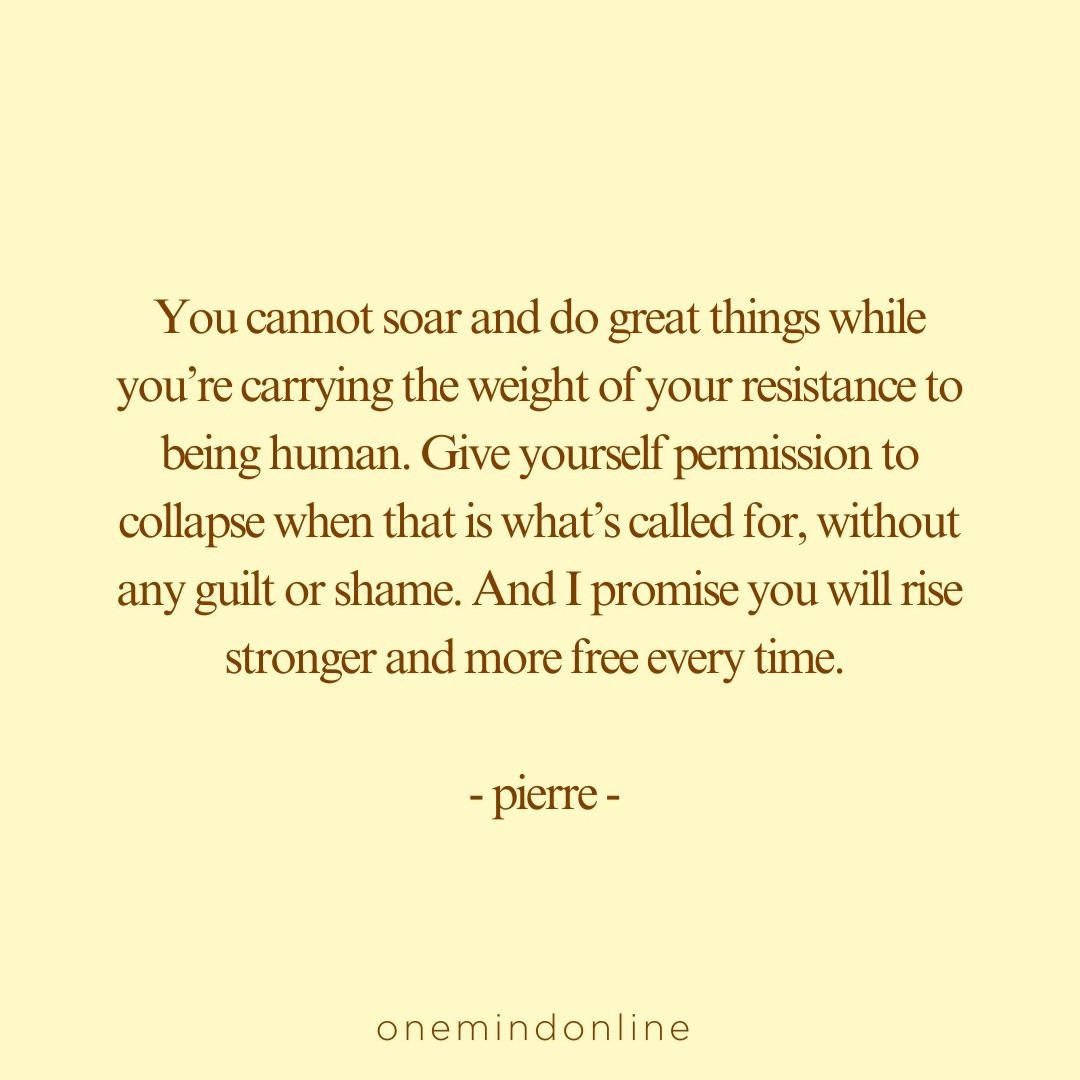
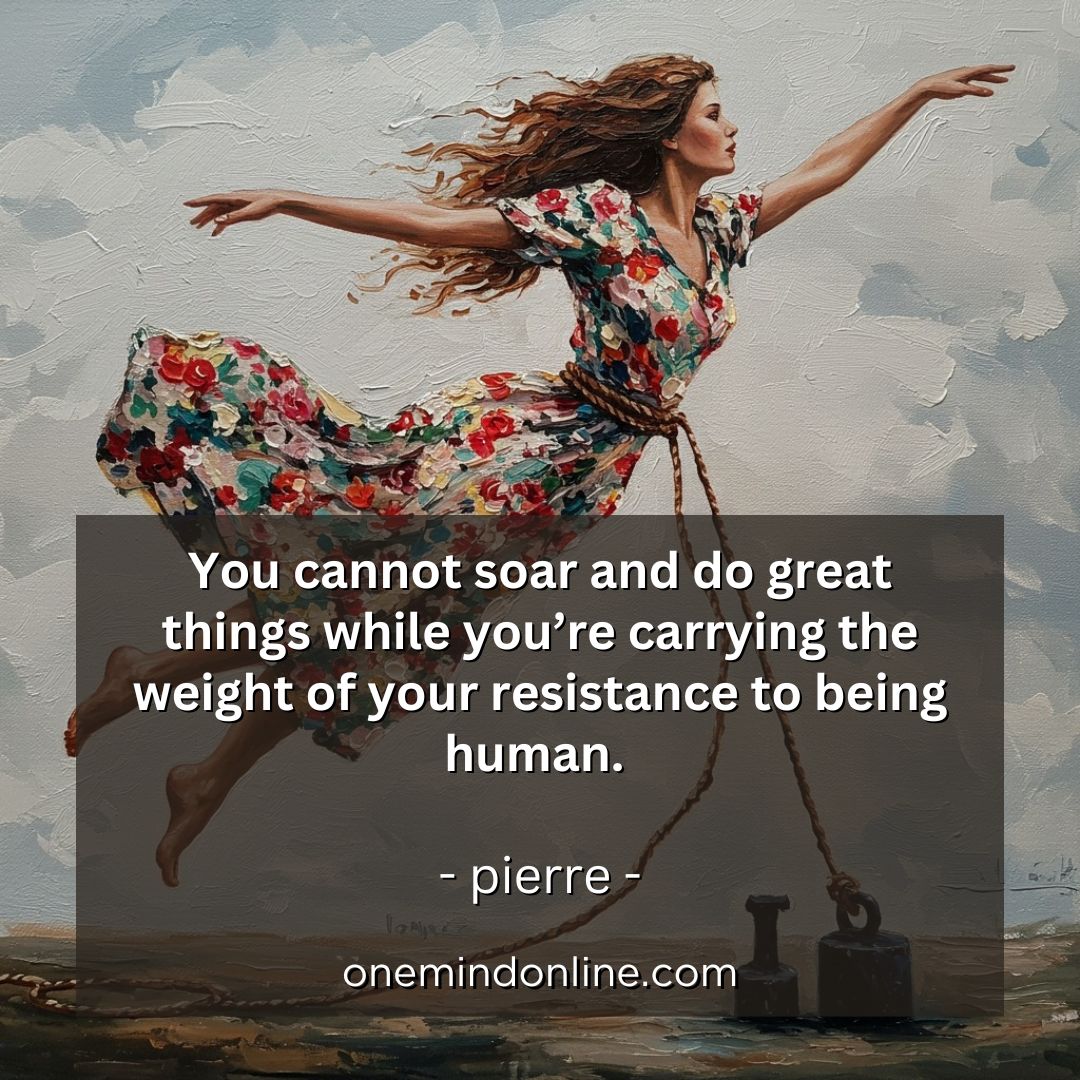
You cannot soar and do great things while you’re carrying the weight of your resistance to being human. Give yourself permission to collapse when that is what’s called for, without any guilt or shame. And I promise you will rise stronger and more free every time.
“Embrace the glorious mess that you are.” – Elizabeth Gilbert
“Do not apologize for crying. Without this emotion, we are only robots.” – Elizabeth Gilbert
“As for discipline – it is important, but it’s also overrated. The more important virtue for a writer, I believe, is self-forgiveness. Because your writing will always disappoint you. Your laziness will always disappoint you.” – Elizabeth Gilbert
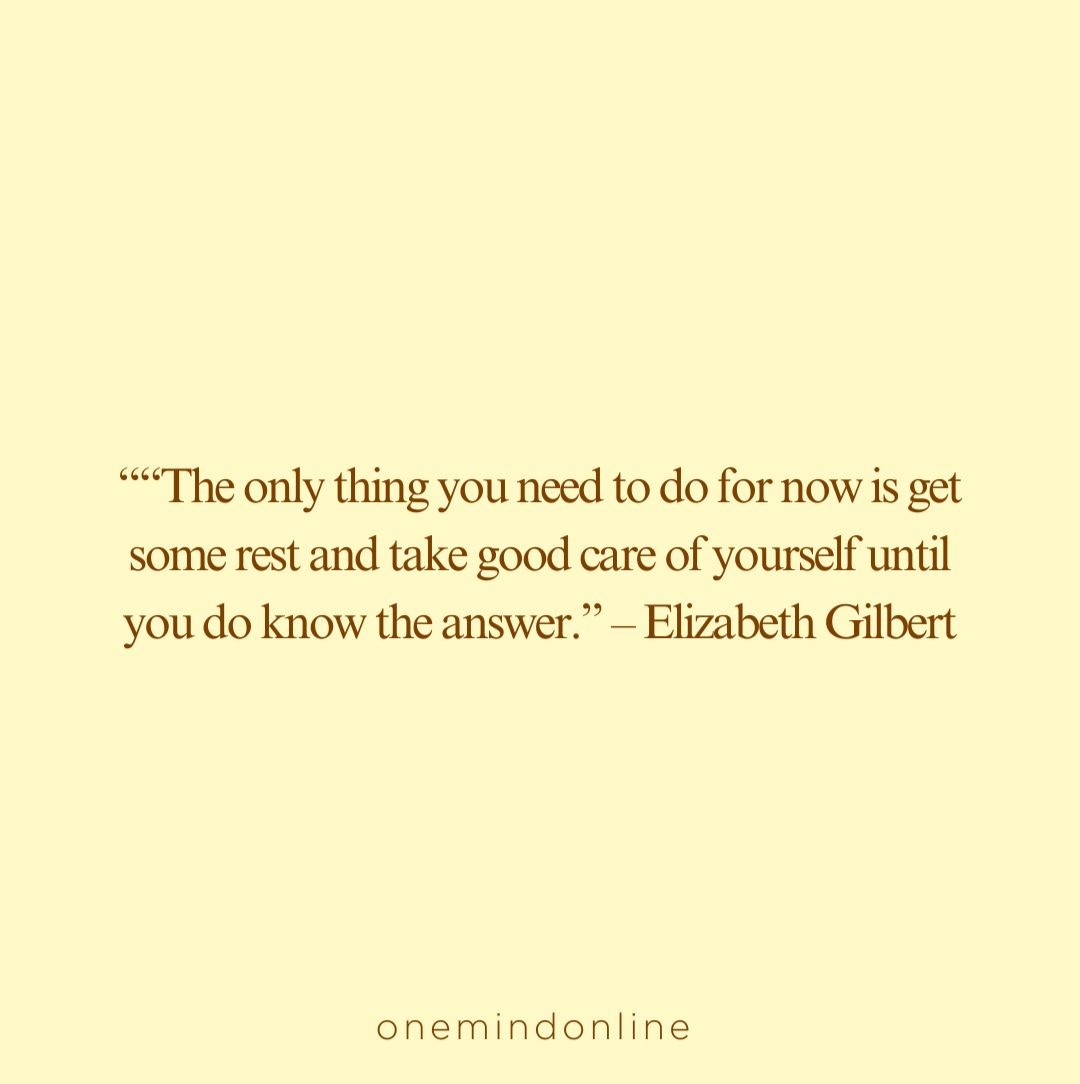
“The only thing you need to do for now is get some rest and take good care of yourself until you do know the answer.” – Elizabeth Gilbert
Read this last quote from Elizabeth Gilbert again, there is a very important message right there:
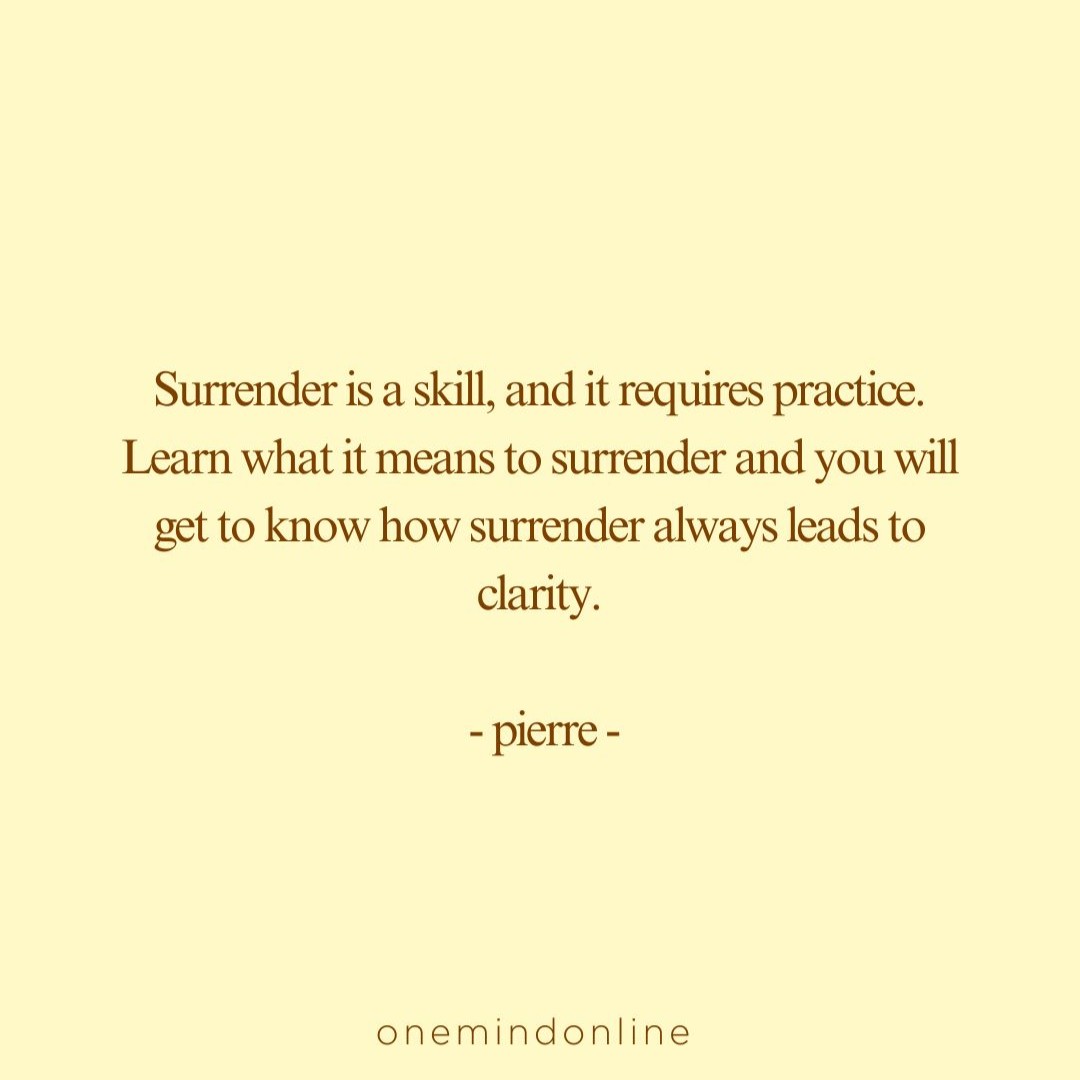
Surrender is a skill, and it requires practice. Learn what it means to surrender and you will get to know how surrender always leads to clarity.
Surrender is often misunderstood as weakness, but it is, in fact, a powerful tool for growth. It allows us to let go of resistance and embrace the unknown. When we surrender, we create space for clarity and new possibilities to emerge.
To embark on this journey of self-acceptance, begin by questioning your beliefs about being human. Are you carrying unnecessary burdens of perfectionism or self-criticism? Are you allowing yourself to feel the full spectrum of human emotions? Remember, you are not broken, you are full of messy magic!
A few affirmations to embrace your human experience:
- “I trust the process of life.”
- “I rise stronger after every fall.”
- “I release the need to be perfect.”
- “I can appreciate the beauty within the messiness.”
So, let us embrace the messy magic of being human. Let us give ourselves permission to soar and also to collapse, to create and also to rest, to be strong and also to be vulnerable. In doing so, we will not only find peace and fulfillment but also unlock our true potential.
– pierre –
Today’s LIVE meditation is: Surrender.
Today’s LIVE meditation
https://youtu.be/5gn5h3v_hsw 2026
https://youtu.be/Ic1NqbXRYGY 2025
https://youtu.be/oN8-yjznVjw 2024
https://youtu.be/vVTdcHrb2wQ 2023
https://youtu.be/P9zRqTcgmys 2022
Practice the “Daily Dose”
Let’s put it into practice! Choose what works for you – daily, once a week or whenever inspiration strikes. Putting pen to paper wires the neural pathways that will create your new habits.
1 – Affirmation
Write down your favourite affirmation on a sticky note and place it somewhere that you’ll be able to see it the whole day.
- “I trust the process of life.”
- “I rise stronger after every fall.”
- “I release the need to be perfect.”
- “I can appreciate the beauty within the messiness.”
2 – A moment of reflection
Use today’s question as a journal prompt. If you don’t have the time to sit down and write, just take a moment to reflect on your response.
Exploring Your Resistance: Reflect on the ways you resist your own humanity. What aspects of being human do you find most difficult to accept – your emotions, your need for rest, your imperfections, or your vulnerabilities? Write about a recent moment when you judged yourself harshly for being “too human.” How might embracing this aspect of yourself lead to greater freedom and growth?
3 – Quotes to share
Send a quote to someone who needs it, or share them all on social media to spread the good vibes!

4 – Q&A for deeper learning
Read through the questions and answers and write down at least one “aha moment” that clicked for you.
Q1: What does it mean to “resist being human” and how do I know if I’m doing it?
Resisting being human means being unwilling to experience the natural, messy aspects of our existence – our emotions, vulnerabilities, need for rest, and imperfections. Signs include harsh self-criticism when you’re not being perfect, guilt over needing downtime, suppressing difficult emotions, or believing you should be able to handle everything without struggle. If you find yourself saying “I shouldn’t feel this way” or “I should be stronger,” you’re likely resisting your humanity.
Q2: How can embracing my “messiness” actually help me achieve my goals?
When you stop fighting against your natural human experience, you free up enormous energy that was previously spent on internal resistance. Accepting your emotions allows you to process them and move through them more quickly. Embracing your need for rest prevents burnout and actually increases your productivity. Self-compassion builds resilience, helping you bounce back from setbacks faster than self-criticism ever could.
Q3: Isn’t discipline more important than self-forgiveness for achieving success?
While discipline really is important for getting things done, self-forgiveness is often more crucial. Harsh self-criticism creates shame, which typically leads to self-sabotage and giving up. Self-forgiveness allows you to learn from mistakes without getting stuck in them, maintaining motivation and forward momentum. As Elizabeth Gilbert notes, your shortcomings will always disappoint you – the key is how quickly you can forgive yourself and get back on track.
Q4: How do I practice surrender without becoming passive or lazy?
Surrender isn’t about becoming passive; it’s about taking inspired even though the outcome is almost never totally in your control. It means being committed to what you’re trying to create, while trusting that the process will unfold as it should. Active surrender involves listening to your intuition, taking breaks when needed, and allowing space for creative solutions to emerge rather than forcing everything through willpower alone.
Q5: What if my emotions feel too overwhelming to embrace?
Start small and seek support when needed. You don’t have to dive into your deepest emotions all at once. Begin by simply noticing and naming your feelings without judgment. Remember that emotions are temporary visitors – they come and go if you don’t resist them. Consider working with a therapist or counselor if emotions feel unmanageable, as they can provide tools and safe space for processing difficult feelings.
Q6: What practical steps can I take to start embracing my full humanity today?
Start with small, daily practices: Allow yourself to feel one emotion fully without trying to fix it. I really mean this, practice sitting down and feeling one emotion fully without trying to make it go away – describe it in detail, what exactly does it feel like emotionally, what sensations present themselves physically? Take a rest break without guilt. Share something imperfect or vulnerable with someone you trust. Practice the mantras from the article. Notice when you’re being self-critical and switch to speaking to yourself as you would a dear friend. Remember that embracing your humanity is a practice, not a destination – be patient with yourself as you learn this new way of being.