

“Your Daily Dose” is a quick two minute read packed with bite-sized wisdom from all the great teachers. But you could also choose to turn it into something more… a powerful daily practice for personal growth. Give it a try!
A message from today’s meditation:
Letting go… or hearing the words, “just let it go” is one of those disservices we do to ourselves and others while meaning really well. It feels like the right thing to say but we all have our own moments of struggling with our own personal example of not being able to let something go when we think, “how do other people do this, because I really struggle to let go.”
Preparing for this morning’s mediation I came across a thought by Adyashanti about letting go and I remembered a few other teachers saying something very similar. So I included the others as well for a few different perspectives on the same conundrum – how do we let go?
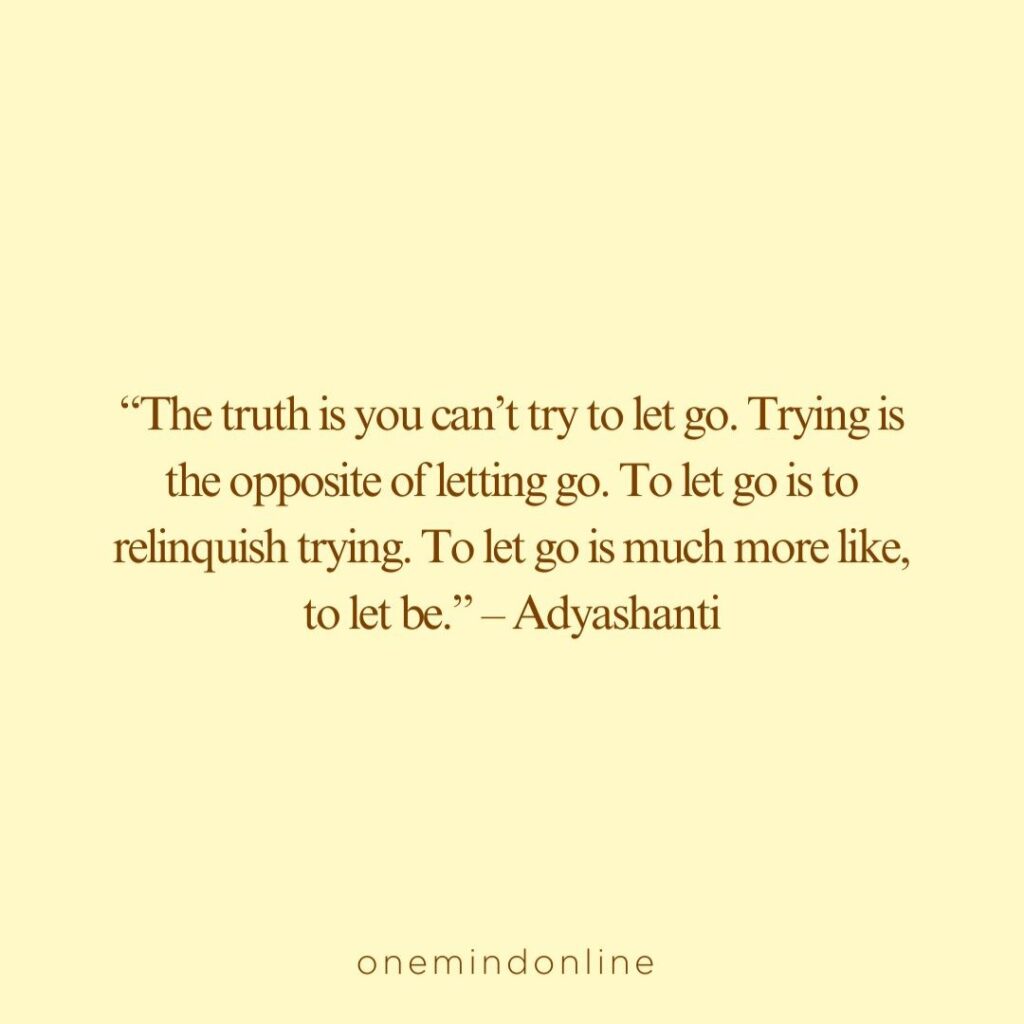
“The truth is you can’t try to let go. Trying is the opposite of letting go. To let go is to relinquish trying. To let go is much more like, to let be.” – Adyashanti
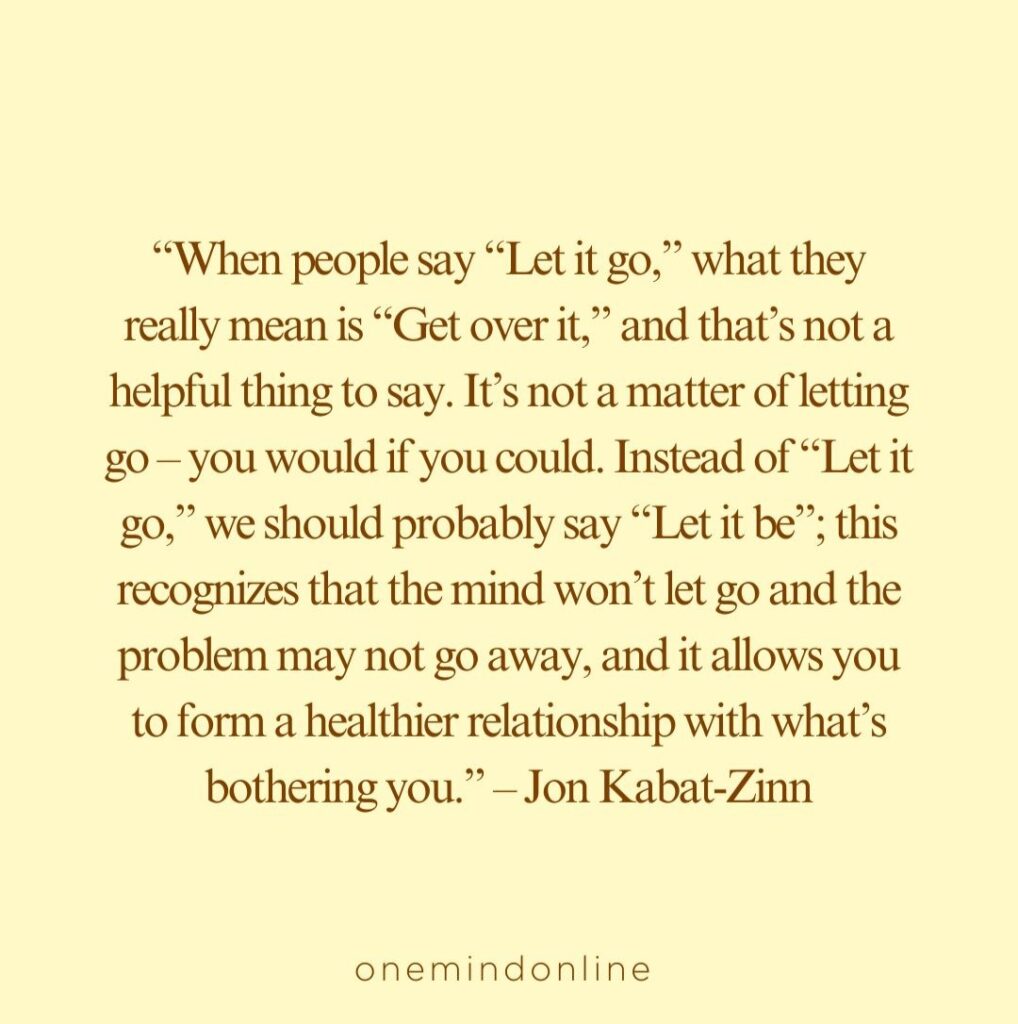
“When people say “Let it go,” what they really mean is “Get over it,” and that’s not a helpful thing to say. It’s not a matter of letting go – you would if you could. Instead of “Let it go,” we should probably say “Let it be”; this recognizes that the mind won’t let go and the problem may not go away, and it allows you to form a healthier relationship with what’s bothering you.” – Jon Kabat-Zinn
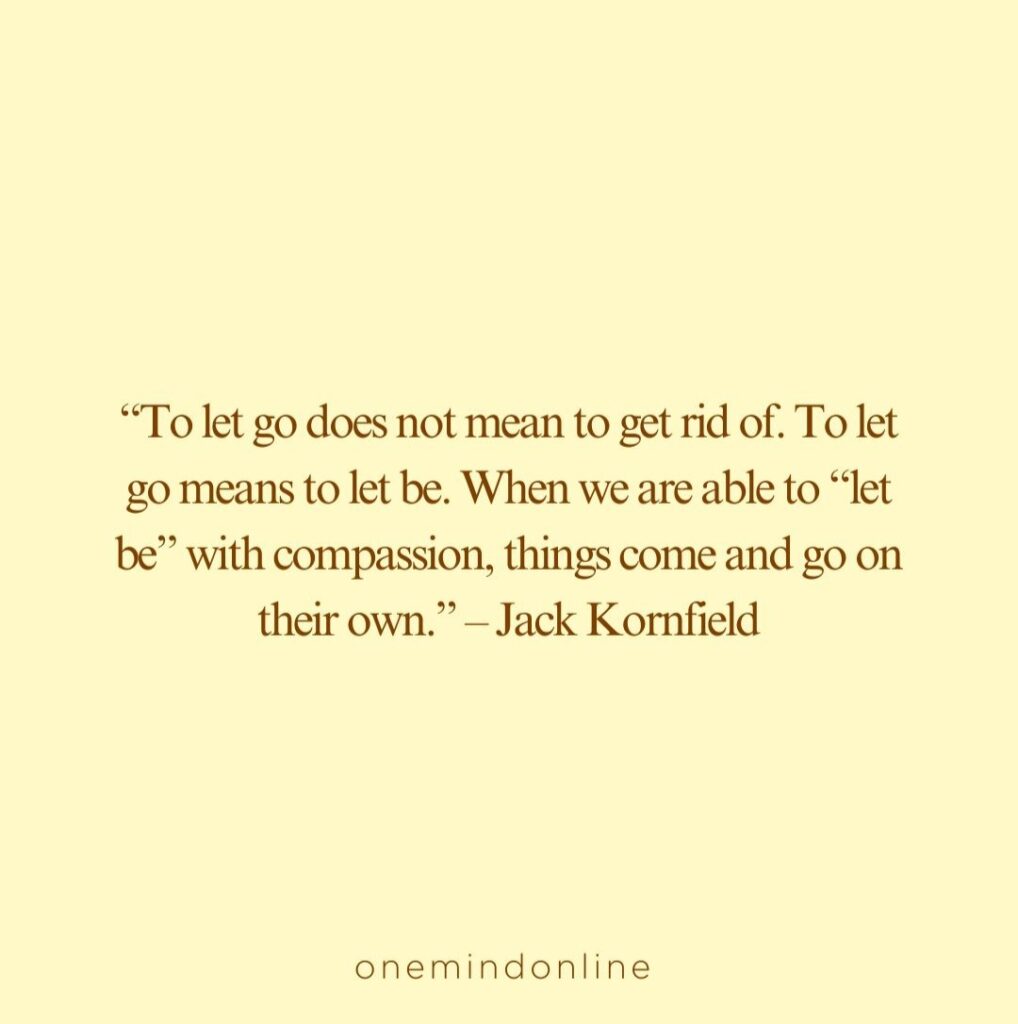
“To let go does not mean to get rid of. To let go means to let be. When we are able to “let be” with compassion, things come and go on their own.” – Jack Kornfield
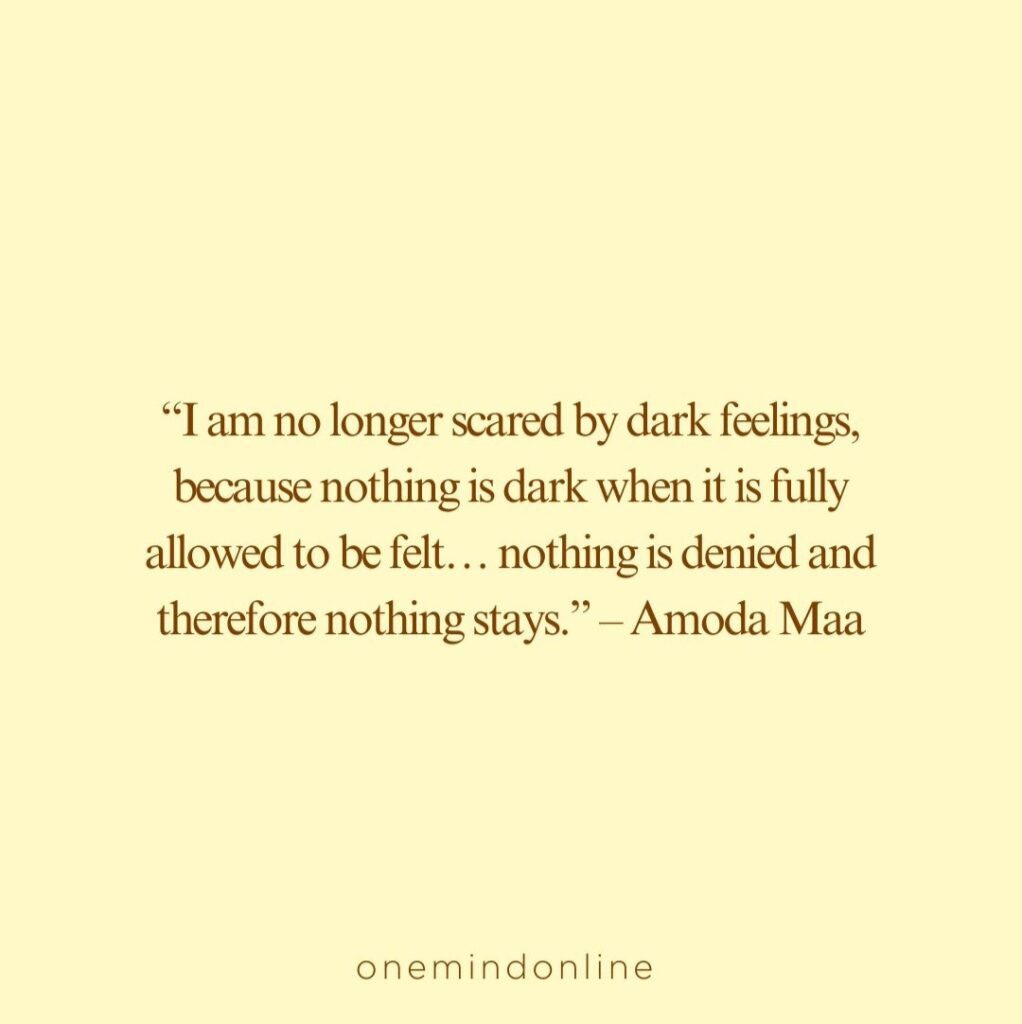
“I am no longer scared by dark feelings, because nothing is dark when it is fully allowed to be felt… nothing is denied and therefore nothing stays.” – Amoda Maa
My personal mantra for letting it be is:
Can I be with this? Can I just be with this without the need for this to change or go away? And while I sit with this, can I find that actually I am OK? And if I can be OK and just breathe right now, then I’m strong enough to get through this, whatever it is. – pierre
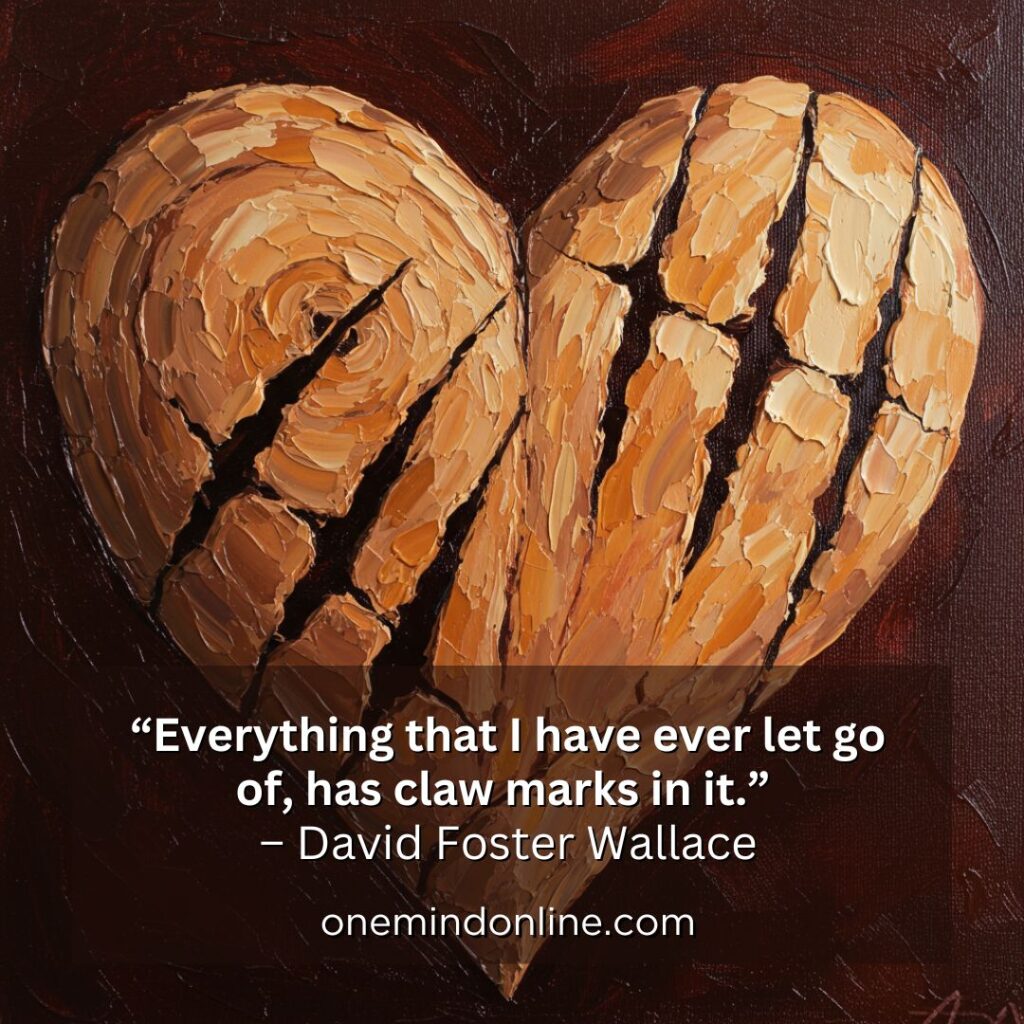
If this is something that you have been struggling with – if you’ve been looking around you and asking “how do other people do this?” – I would love you to understand how much of a universal struggle this is. Everyone has their own version of how difficult it can be to “let go”, and my favourite description of this truth comes from David Foster Wallace:
“Everything that I have ever let go of, has claw marks in it.” – David Foster Wallace
Of course it does. Because real letting go was never a clean, surgical act. It was never a switch to flip or a feeling to force away. The myth of letting go is the belief that it should be instant – that if we just muster enough willpower or wisdom, the pain will vanish. But emotions don’t respond to force. They respond to permission.
When we stop fighting our emotions and start allowing them, they lose their power over us. Not because we’ve overcome them, but because we’ve stopped giving them something to push against.
If you have been looking around wondering how other people seem to manage this, wondering if something is wrong with you for not being able to simply move on, hear this: everyone has their own version of this struggle. The claw marks are universal. The grief, the resentment, the heartbreak, the regret, none of it dissolves on demand. But it does soften, slowly, when we stop demanding it disappear.
This is the work. By allowing yourself to fully experience your emotions, you acknowledge their presence and create space for them to eventually pass.
Mantras for letting it be:
- “I do not need to force my feelings away – I give myself permission to feel them fully.”
- “I am not broken. This is a universal and deeply human experience.”
- “I release the need to let go, and instead I choose to let it be.”
- “I am strong enough to sit with this – and that strength is already within me.”
- “Peace is not the absence of pain. It is the choice to stay present within it.”
Letting go isn’t about pretending things didn’t happen. It’s about acknowledging their presence and choosing peace despite them.
May this journey of “letting be” bring you strength and clarity.
Wishing you a damn beautiful day!
– pierre –
Today’s LIVE meditation is: I am the mountain.
Today’s LIVE meditation
Practice the “Daily Dose”
Let’s put it into practice! Choose what works for you – daily, once a week or whenever inspiration strikes. Putting pen to paper wires the neural pathways that will create your new habits.
1 – Affirmation
Write down your favourite affirmation on a sticky note and place it somewhere that you’ll be able to see it the whole day.
- “I do not need to force my feelings away – I give myself permission to feel them fully.”
- “I am not broken. This is a universal and deeply human experience.”
- “I release the need to let go, and instead I choose to let it be.”
- “I am strong enough to sit with this – and that strength is already within me.”
- “Peace is not the absence of pain. It is the choice to stay present within it.”
2 – A moment of reflection
Use today’s question as a journal prompt. If you don’t have the time to sit down and write, just take a moment to reflect on your response.
3 – Quotes to share
Send a quote to someone who needs it, or share them all on social media to spread the good vibes!


4 – Q&A for deeper learning
Read through the questions and answers and write down at least one “aha moment” that clicked for you.
Q1: What’s the difference between “letting go” and “letting be”?
“Letting go” implies a forced release — an act of will that erases or removes an emotion. “Letting be” is the practice of allowing an emotion to exist without judgment or resistance. Teachers like Jon Kabat-Zinn and Jack Kornfield argue that the latter is not only more honest, but more effective. Emotions that are met with compassion tend to move through us; emotions we fight tend to get louder.
Q2: Why does “just let it go” feel like impossible advice?
This advice assumes emotional release is a simple choice rather than a process. As David Foster Wallace eloquently put it, “Everything that I have ever let go of has claw marks in it.” This suggests that truly letting go involves struggle and time. When we’re told to “just let it go,” it can make us feel inadequate for still experiencing pain or difficulty, adding shame to our original distress.
Q3: How do I practice “letting be” with extremely painful emotions?
Start by acknowledging the emotion without judgment: “I notice I’m feeling intense anger/grief/anxiety.” Then ask yourself pierre’s question: “Can I be with this without the need for this to change or go away?” Begin with small doses of sitting with discomfort, perhaps just a minute at a time. Remember Amoda Maa’s insight that “nothing is dark when it is fully allowed” – the act of allowing often transforms the experience itself.
Q4: Does “letting be” mean I’m accepting that something was okay when it wasn’t?
Not at all. Letting be is not approval or resignation. It means acknowledging the reality of your experience without adding a second layer of suffering by fighting the fact that it happened. You can hold both truths: this was wrong or painful … and also… I choose not to let it consume my present moment.
Q5: How do I know if I’m successfully “letting be” versus just ruminating?
“Letting be” involves mindful awareness of your emotions without getting caught in their story. You’re observing rather than being completely identified with the feeling. Rumination typically involves repetitive thinking about causes and consequences. A helpful indicator: “letting be” creates a sense of spaciousness even amid difficulty, while rumination feels tight and circular. Ask yourself, “Am I witnessing this feeling, or am I completely lost in it?”
Q6: Can the practice of “letting be” help with long-standing trauma or deep grief?
Yes, but appropriate support may be really helpful. For significant trauma or grief, “letting be” should be practiced within a framework of professional support. The approach can be particularly valuable for these deeper wounds because it removes the timeline pressure to “get over it.” By allowing difficult emotions to exist without judgment, we often find they gradually transform, not because we forced them away, but because we gave them the space to be processed naturally.
Q7: How does “letting be” relate to taking action about situations that need changing?
“Letting be” doesn’t mean passive acceptance of harmful situations. It refers to our relationship with our internal experience, not external circumstances that need addressing. By practicing “letting be” with our emotions first, we can often take more effective action from a centered place rather than reacting from overwhelm. The practice helps us respond to challenges with clarity instead of being driven by our need to escape discomfort.