
Ready for a quick dose of inspiration? This article is a 2-minute sprint. Now, if you’re in the mood to go a longer distance, take a peek at our extended menu!
A message from today’s meditation:
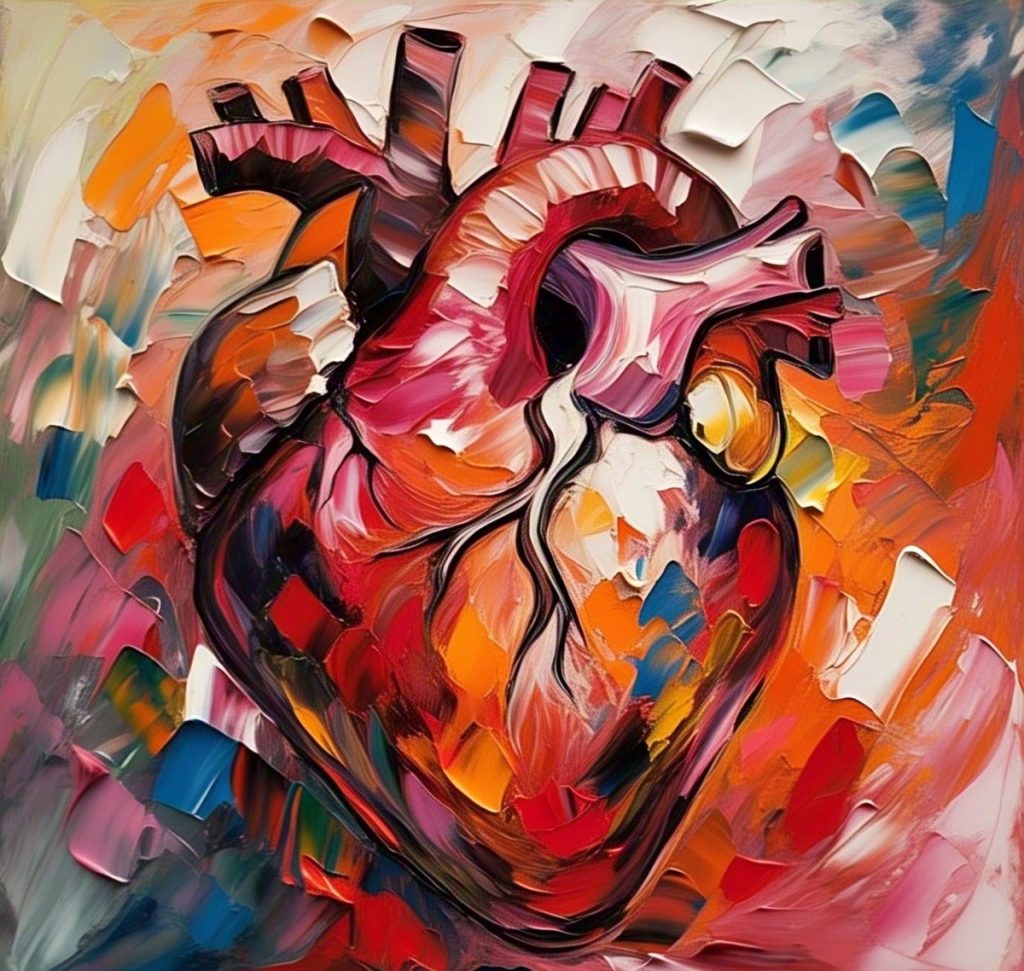
Have you ever looked at a human heart and wondered, “How on earth is it able to hold so much love?” The answer might surprise you: it doesn’t. The heart, in its physical sense, is a remarkable organ, but its capacity for love transcends its physical limitations.
Our hearts, both literal and metaphorical, aren’t designed to be containers for a limited amount of love. They are overflowing wells, constantly spilling over and enriching the world around them. This is the core message that author and spiritual teacher Jeff Brown so eloquently conveys in his work.
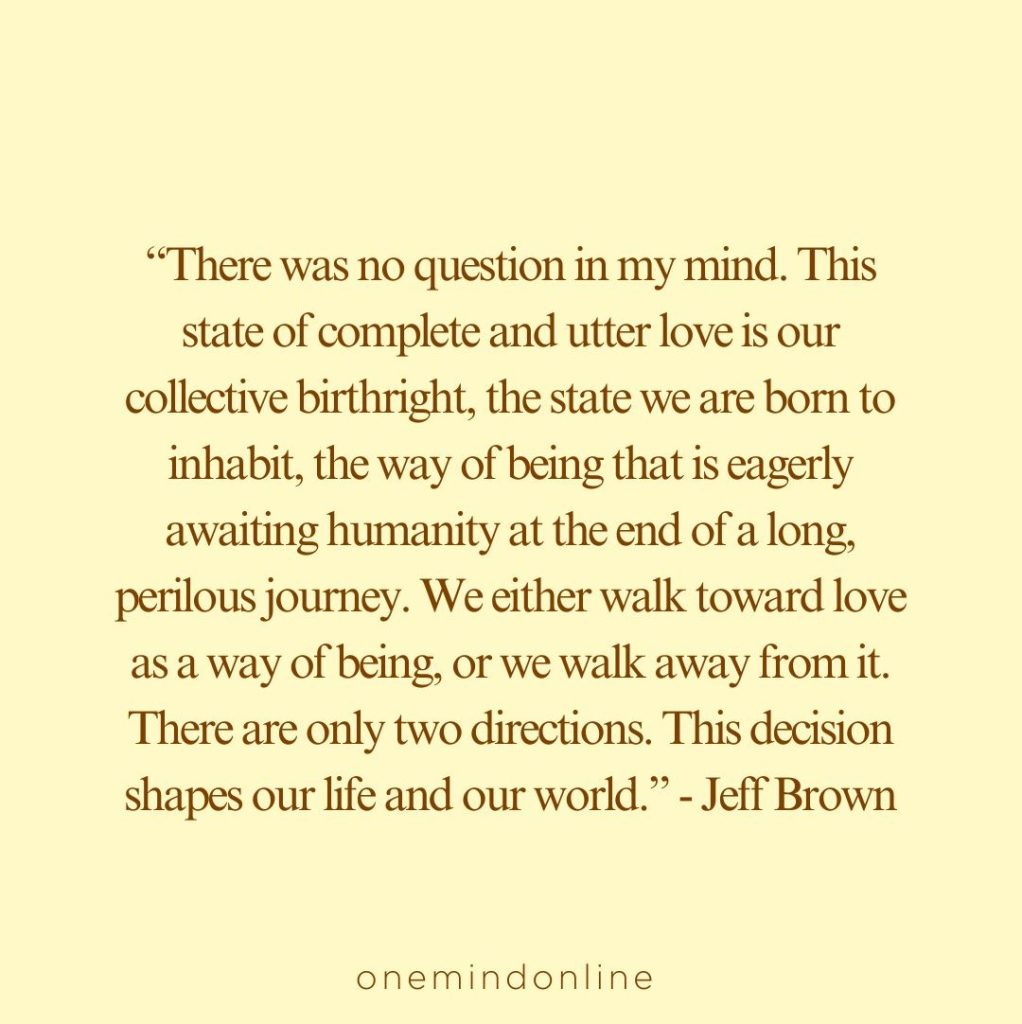
“There was no question in my mind. This state of complete and utter love is our collective birthright, the state we are born to inhabit, the way of being that is eagerly awaiting humanity at the end of a long, perilous journey. We either walk toward love as a way of being, or we walk away from it. There are only two directions. This decision shapes our life and our world.” – Jeff Brown
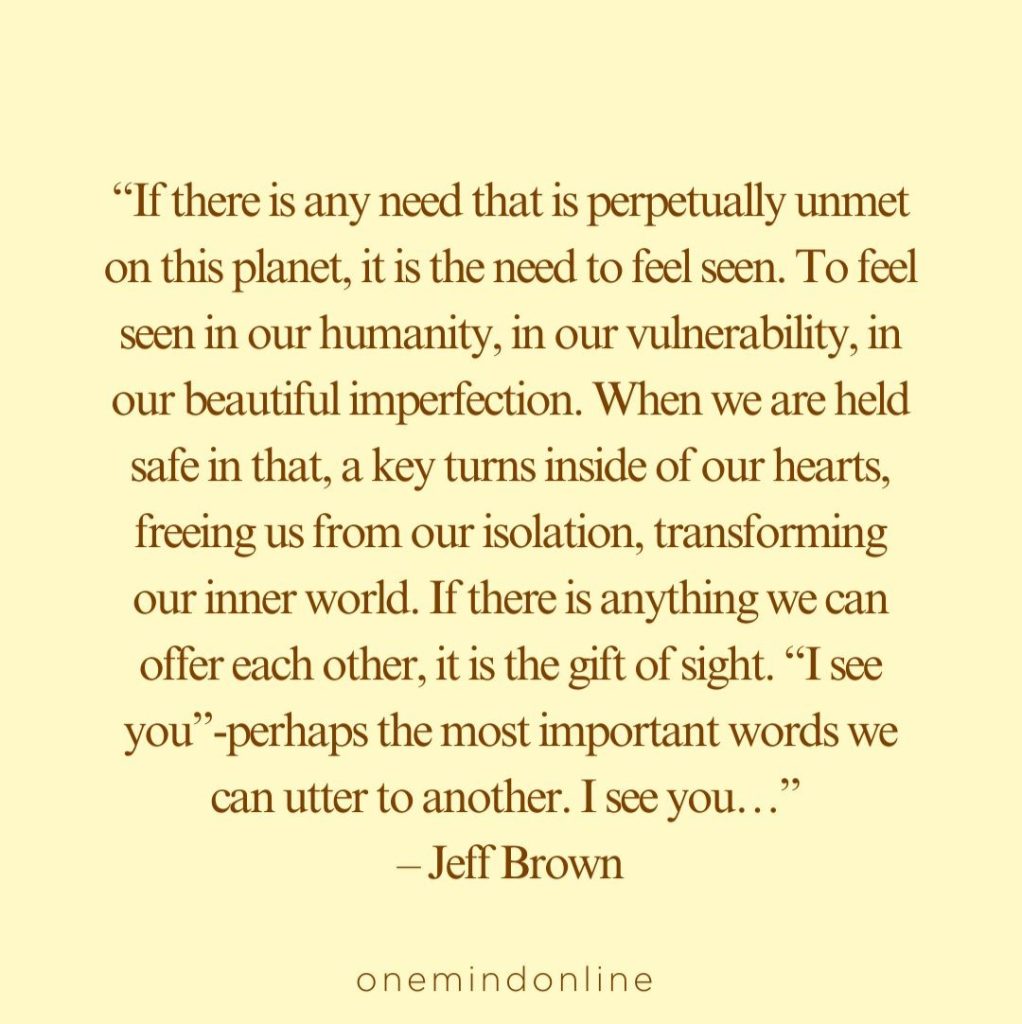
“If there is any need that is perpetually unmet on this planet, it is the need to feel seen. To feel seen in our humanity, in our vulnerability, in our beautiful imperfection. When we are held safe in that, a key turns inside of our hearts, freeing us from our isolation, transforming our inner world. If there is anything we can offer each other, it is the gift of sight. “I see you”-perhaps the most important words we can utter to another. I see you…” – Jeff Brown
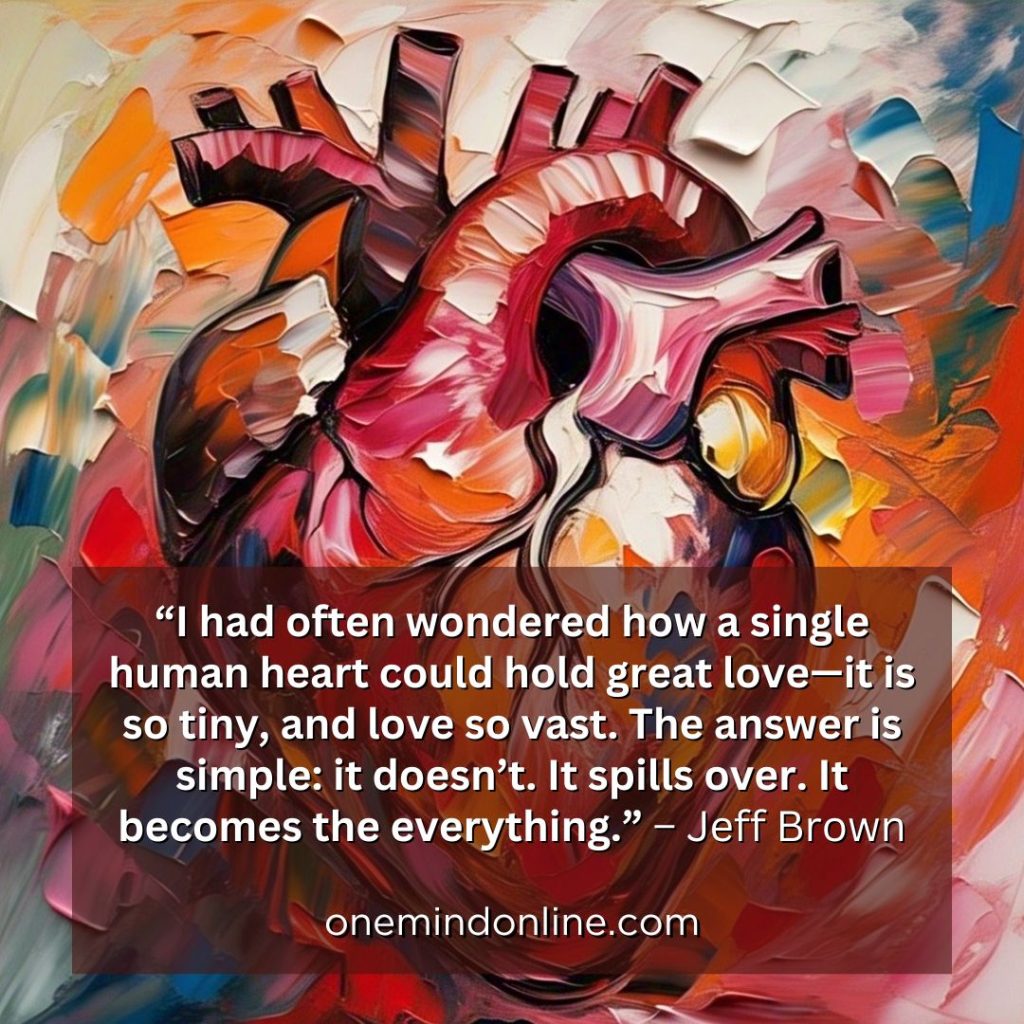
“I had often wondered how a single human heart could hold great love—it is so tiny, and love so vast. The answer is simple: it doesn’t. It spills over. It becomes the everything.” – Jeff Brown
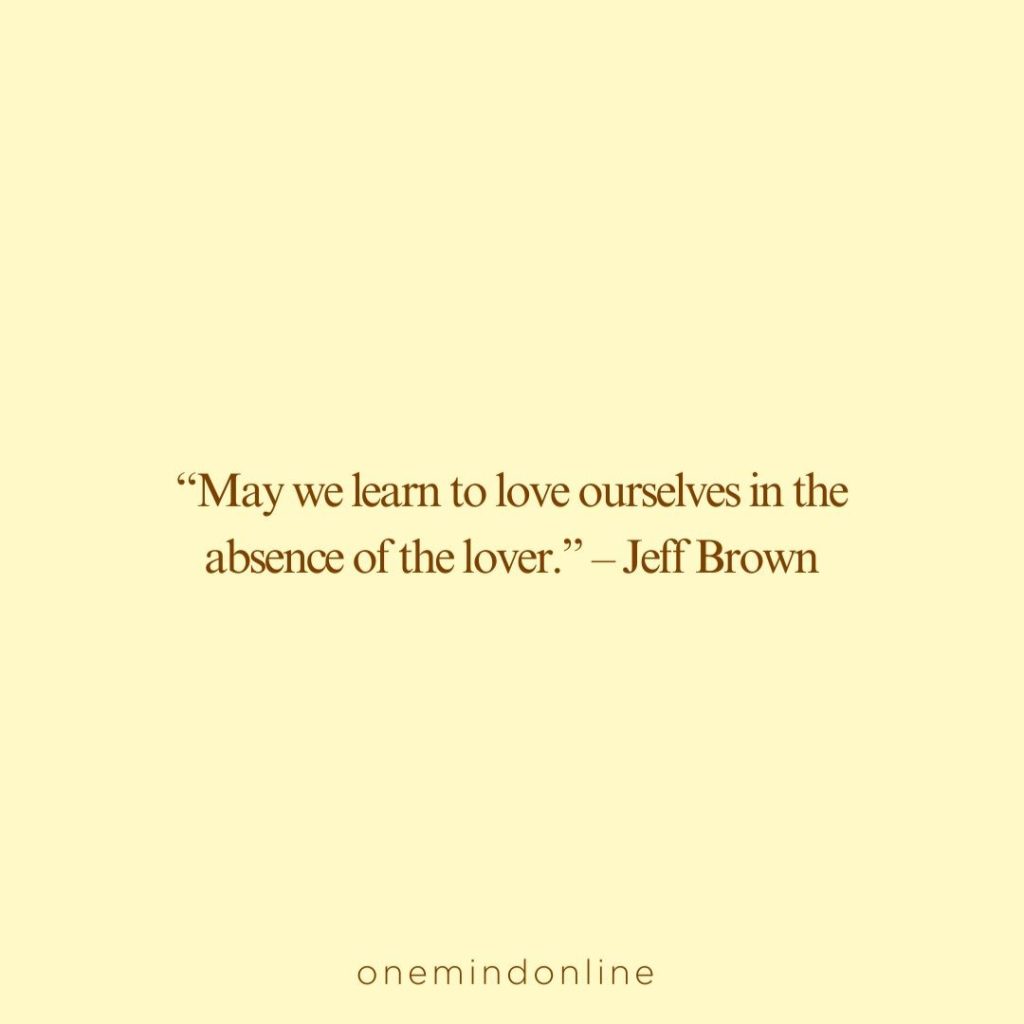
“May we learn to love ourselves in the absence of the lover.” – Jeff Brown
We can’t change the whole world on our own. We can’t determine whether other people show up holding a space for vulnerability to be seen. Our own personal responsibility lies with this last quote, “may we learn to love ourselves in the absence of the lover.” It’s very difficult (actually, maybe it’s impossible) to hold a really safe space for the humans around us, if we can’t do it for ourselves first.
We have to put in the work to do our own healing. We, each of us, have to learn to become a safe space for ourselves. Safe in the presence of our own thoughts. Safe in the presence of our own feelings. Learn to love ourselves so much, that our hearts spill over and fill the world with love!
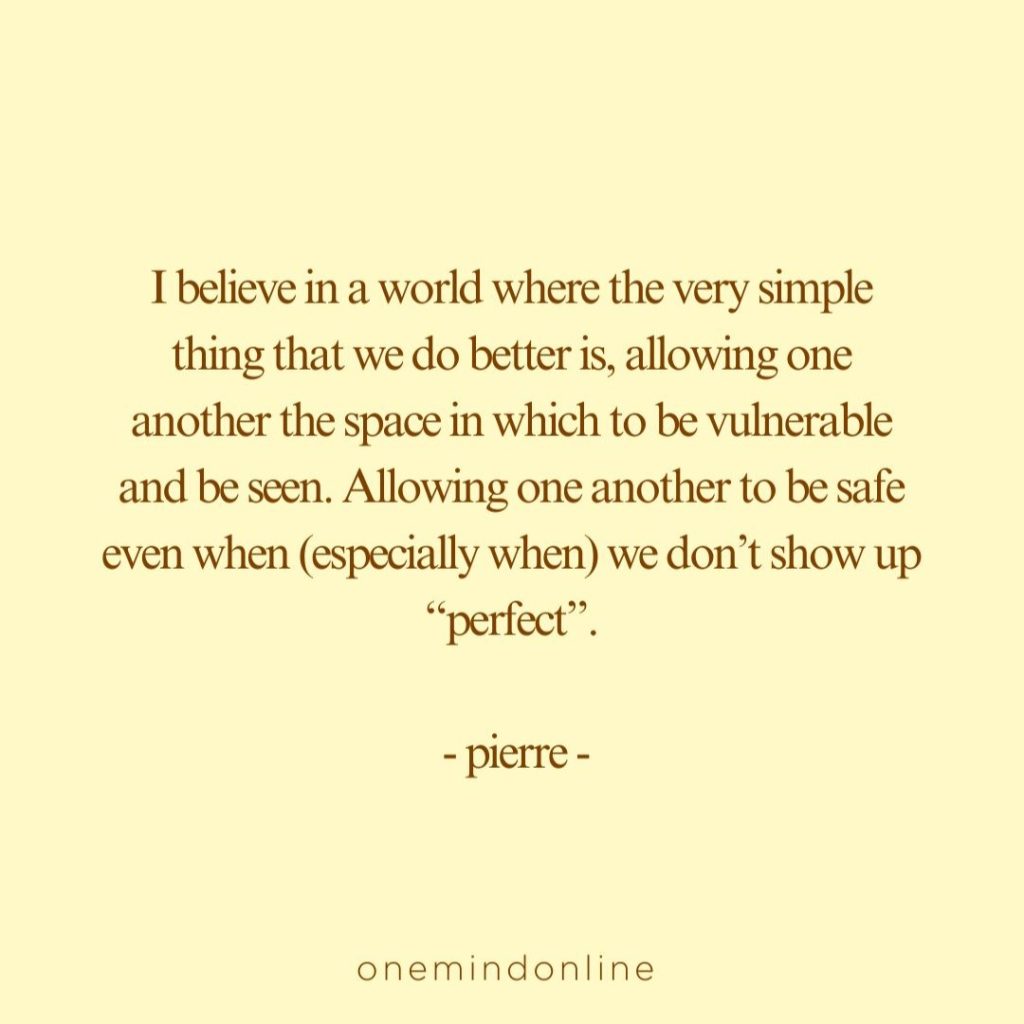
I believe in a world where the very simple thing that we do better is, allowing one another the space in which to be vulnerable and be seen. Allowing one another to be safe even when (especially when) we don’t show up “perfect”.
Here are some thoughts to ignite your journey to overflowing love:
- Practice self-compassion: Treat yourself with the same kindness and understanding you offer to loved ones. Acknowledge your struggles, celebrate your victories, and forgive your imperfections.
- Embrace vulnerability: Let go of the need to be perfect. Share your authentic self, fears and all, and allow yourself to be seen.
- Shower yourself with love: Practice speaking in a loving way to yourself daily, engage in activities that bring you joy, and be your own cheerleader.
- Create time to really see the humans around you: Become conscious of creating a space in your day to be really present with other humans, to be deliberate about really seeing their hearts.
By cultivating acceptance and love for ourselves in the face of our imperfections, we become vessels overflowing with love. We each contribute to a world where hearts overflow, creating a ripple effect of love and connection that transforms the world around us.
Have a beautiful Friday, beautiful humans!
– pierre –
Today’s LIVE meditation is: Sharing love.
A moment of reflection
(If you have the time, use this question as a journal prompt, because whenever you put pen to paper you’re wiring the neural pathways that create your new habits. But if you don’t have the time, just take a moment to reflect on your response.)
Jeff Brown writes that “We either walk toward love as a way of being, or we walk away from it. There are only two directions.”: Reflect on your recent choices and interactions. In what specific moments this week did you choose to walk toward love? What did that look like in your actions, words, and thoughts? Conversely, when did you find yourself walking away from love—perhaps through judgment, criticism, or closing your heart? What fears or protections were driving those choices? How might you recognize these moments more clearly in the future and consciously choose the path toward love?
Today’s LIVE meditation
https://youtu.be/iQI_ATVbFnk 2025
https://youtu.be/asP0lvMnUxc 2024
https://youtu.be/7O25YgUShy0 2023
https://youtu.be/i93v2wRFqlQ 2022
Q&A for deeper learning
1. What does it mean that the heart “spills over” rather than contains love?
The concept of heart overflow suggests that love isn’t meant to be hoarded or contained within us like water in a cup. Instead, our capacity for love is limitless when we understand that it’s meant to flow through us and into the world. When we try to contain love—whether through fear, protection, or scarcity thinking—we actually diminish our ability to experience it fully. The overflow happens naturally when we release the need to control or limit our love, allowing it to become “the everything” that touches every aspect of our lives and relationships.
2. How can I become a “safe space” for myself, and why is this important?
Becoming a safe space for yourself means developing the ability to sit with your own thoughts, emotions, and experiences without judgment or the need to immediately fix or change them. This involves practicing self-compassion, speaking to yourself with kindness, and accepting your imperfections as part of your humanity. It’s crucial because you cannot genuinely offer others what you don’t possess yourself. When you’re harsh with your own vulnerabilities, you’ll struggle to hold space for others’ vulnerabilities. Self-safety creates the foundation for authentic connection with others.
3. What does it really mean to “see” someone, and how is this different from just looking at them?
Truly seeing someone means witnessing their full humanity—their fears, hopes, struggles, and beauty—without trying to fix, judge, or change them. It’s about being present with who they are in this moment, including their imperfections and vulnerabilities. This differs from simply looking at someone, which often involves surface-level observation or seeing them through the lens of our own needs and expectations. When we truly see others, we create space for them to be authentic, which can be profoundly healing and transformative.
4. How do I know if I’m walking toward love or away from it?
Walking toward love typically involves choices that embrace vulnerability, extend compassion, seek understanding, and create connection even when it’s difficult. It means responding to challenges with curiosity rather than judgment, offering kindness even when you don’t feel like it, and choosing to see the humanity in others. Walking away from love often involves closing your heart, choosing judgment over compassion, avoiding vulnerability, or responding to pain with more pain. Notice your internal responses to conflict or difficulty—do you move toward connection or protection?
5. Can I have too much self-love? Is there a balance between self-love and caring for others?
Authentic self-love naturally overflows to others—it’s not self-absorption or narcissism. True self-love involves treating yourself with the same kindness you’d offer a good friend, which actually increases your capacity to love others. The key is understanding that self-love isn’t about putting yourself above others or ignoring their needs; it’s about filling your own cup so you can pour from abundance rather than emptiness. When you love yourself genuinely, you become more generous, patient, and present with others because you’re not operating from a place of depletion or need.
6. How can I practice vulnerability in a world that often feels unsafe?
Vulnerability doesn’t mean being open with everyone about everything—it means being selectively authentic with safe people and being honest with yourself about your experiences. Start by identifying people in your life who have earned your trust through consistent kindness and respect. Practice sharing smaller vulnerabilities first, and notice how they respond. Also, work on being vulnerable with yourself—acknowledging your own fears, needs, and imperfections without judgment. As you build this capacity, you’ll develop better discernment about when and with whom to share your deeper truth.
7. What if I don’t feel like I have enough love to give right now?
This feeling often indicates that you’re operating from a scarcity mindset or that you need to focus more on self-care and healing. Remember that love multiplies when shared—it doesn’t diminish. If you feel empty, start small with acts of kindness toward yourself. Practice self-compassion, engage in activities that bring you joy, and be patient with your healing process. Often, when we feel we don’t have enough love to give, it’s because we’re not receiving enough—either from ourselves or others. Focus on filling your own cup first, and trust that as you heal and grow, your capacity for love will naturally expand and overflow.