
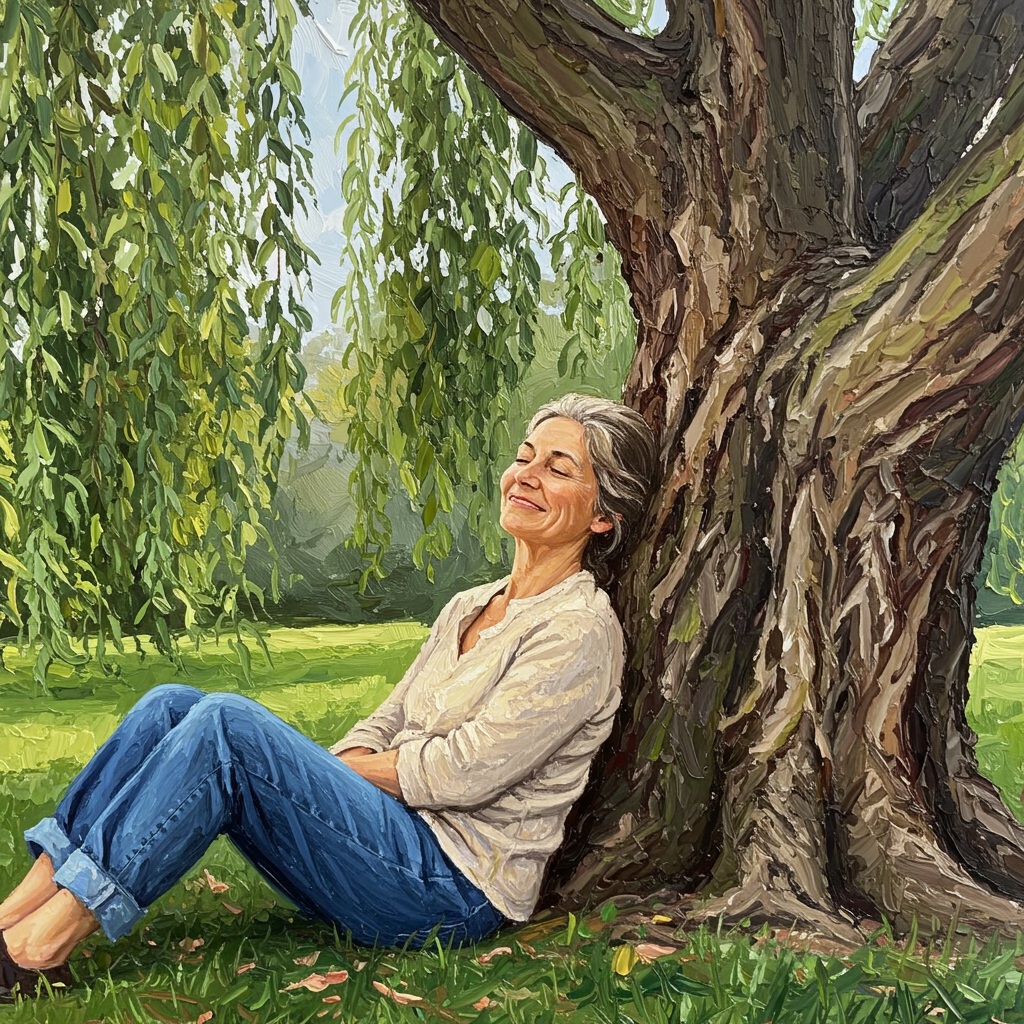
“Your Daily Dose” is a quick two minute read packed with bite-sized wisdom from all the great teachers. But you could also choose to turn it into something more… a powerful daily practice for personal growth. Give it a try!
A message from today’s meditation:
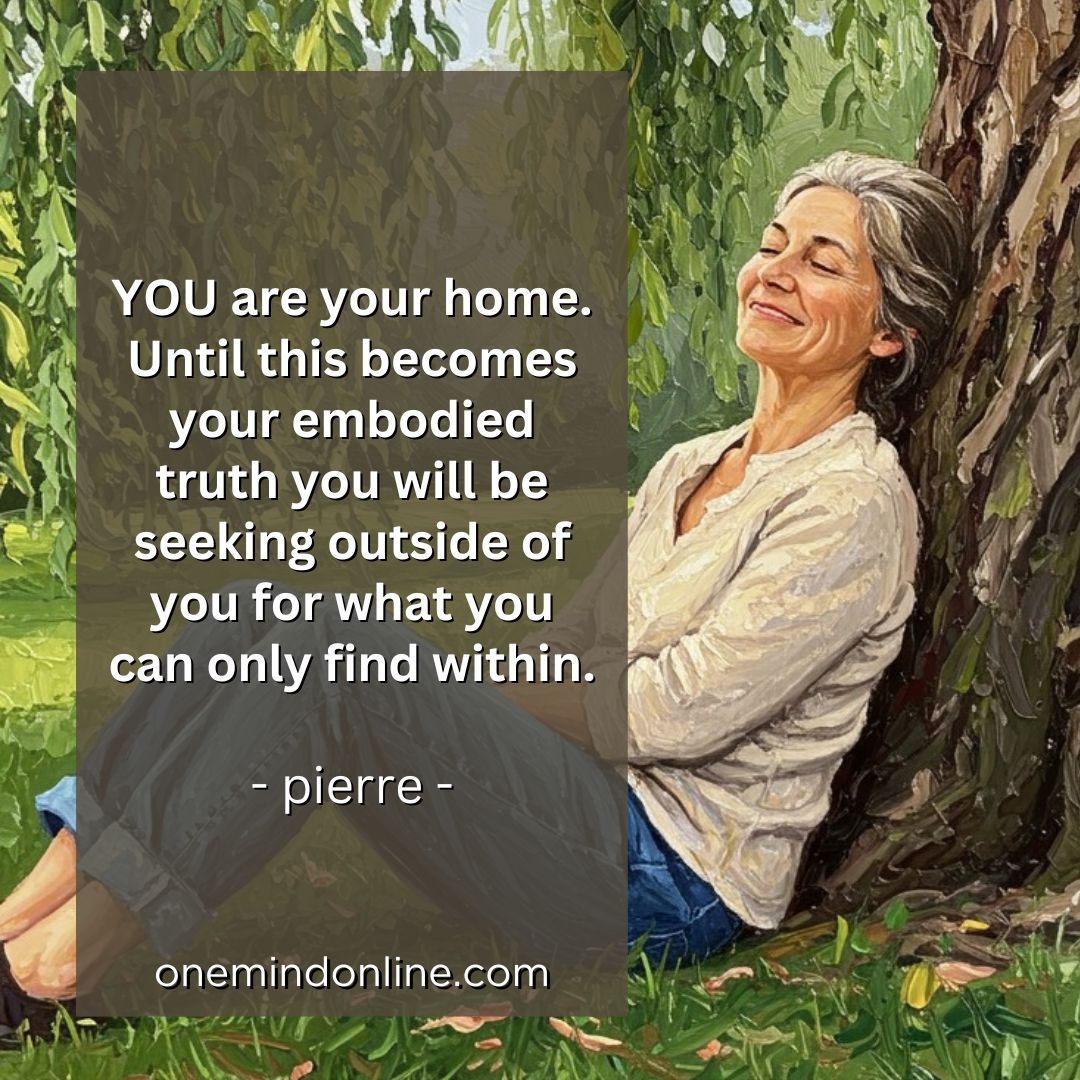
YOU are your home. Until this becomes your embodied truth you will be seeking outside of you for what you can only find within.
And when you finally come to this truth… you will understand that YOU are the Divine in form, and so is everyone else.
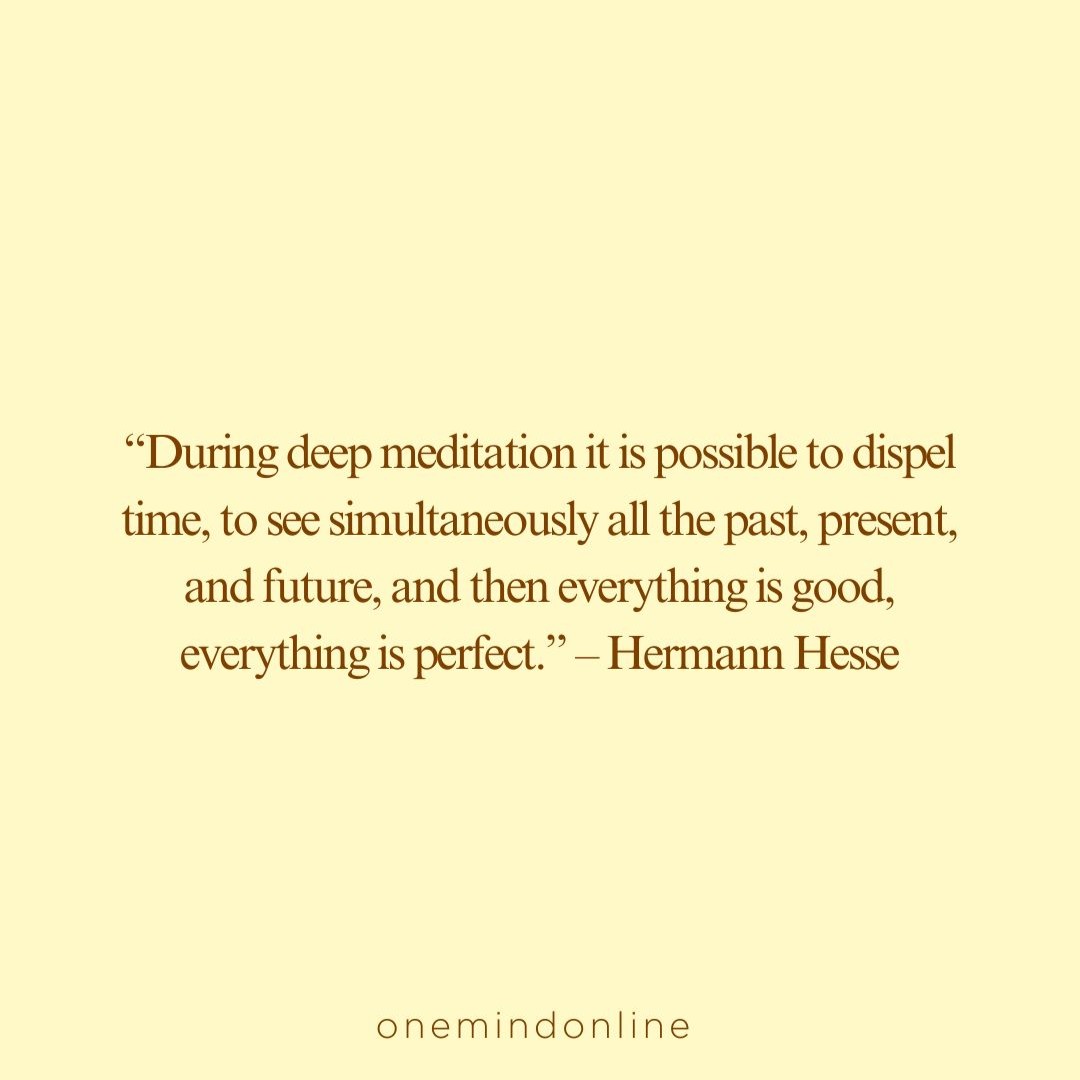
“During deep meditation it is possible to dispel time, to see simultaneously all the past, present, and future, and then everything is good, everything is perfect.” – Hermann Hesse
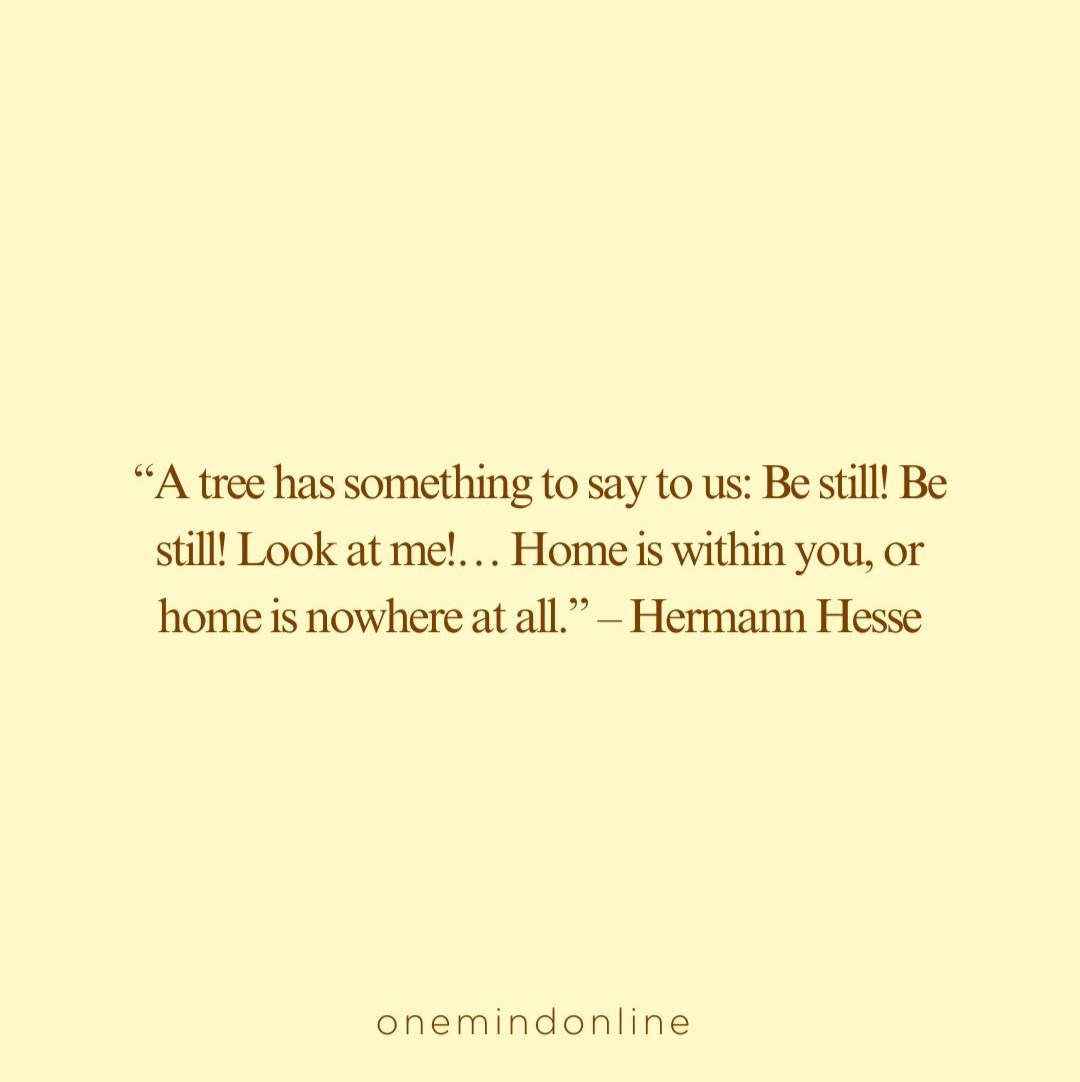
“A tree has something to say to us: Be still! Be still! Look at me!… Home is within you, or home is nowhere at all.” – Hermann Hesse
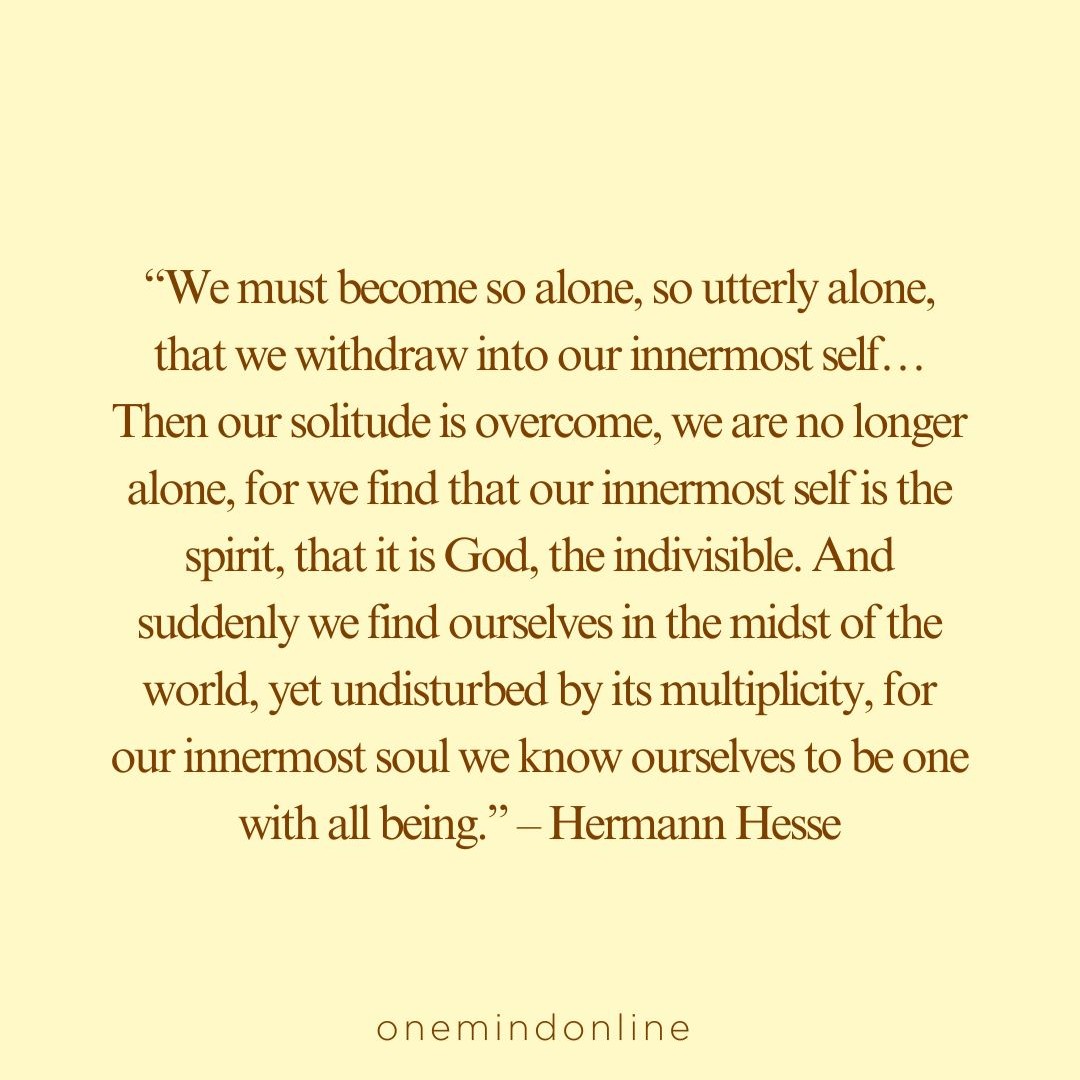
“We must become so alone, so utterly alone, that we withdraw into our innermost self… Then our solitude is overcome, we are no longer alone, for we find that our innermost self is the spirit, that it is God, the indivisible. And suddenly we find ourselves in the midst of the world, yet undisturbed by its multiplicity, for our innermost soul we know ourselves to be one with all being.” – Hermann Hesse
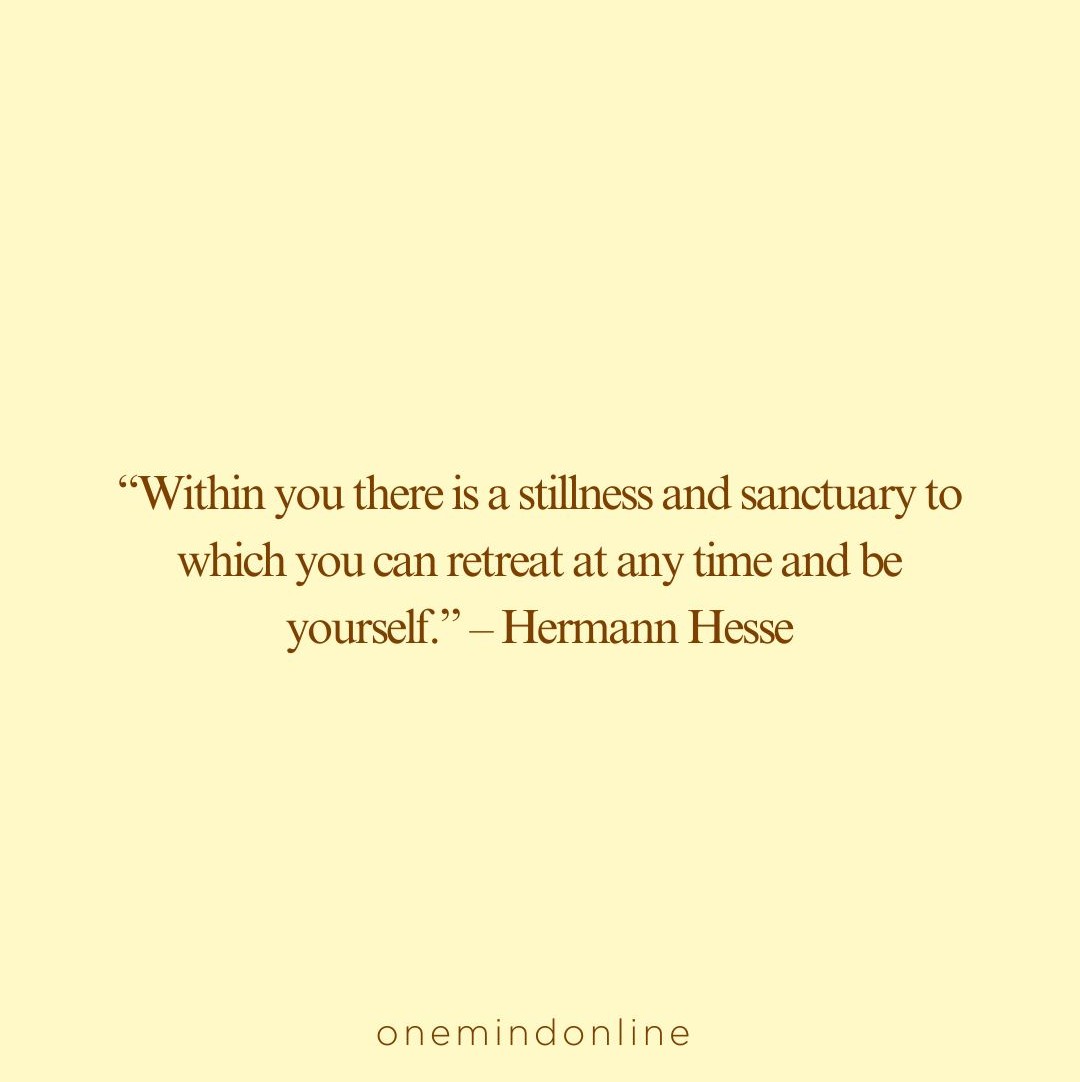
“Within you there is a stillness and sanctuary to which you can retreat at any time and be yourself.” – Hermann Hesse
I think that a key part of the message is to be found in the last two words: “…be yourself…”
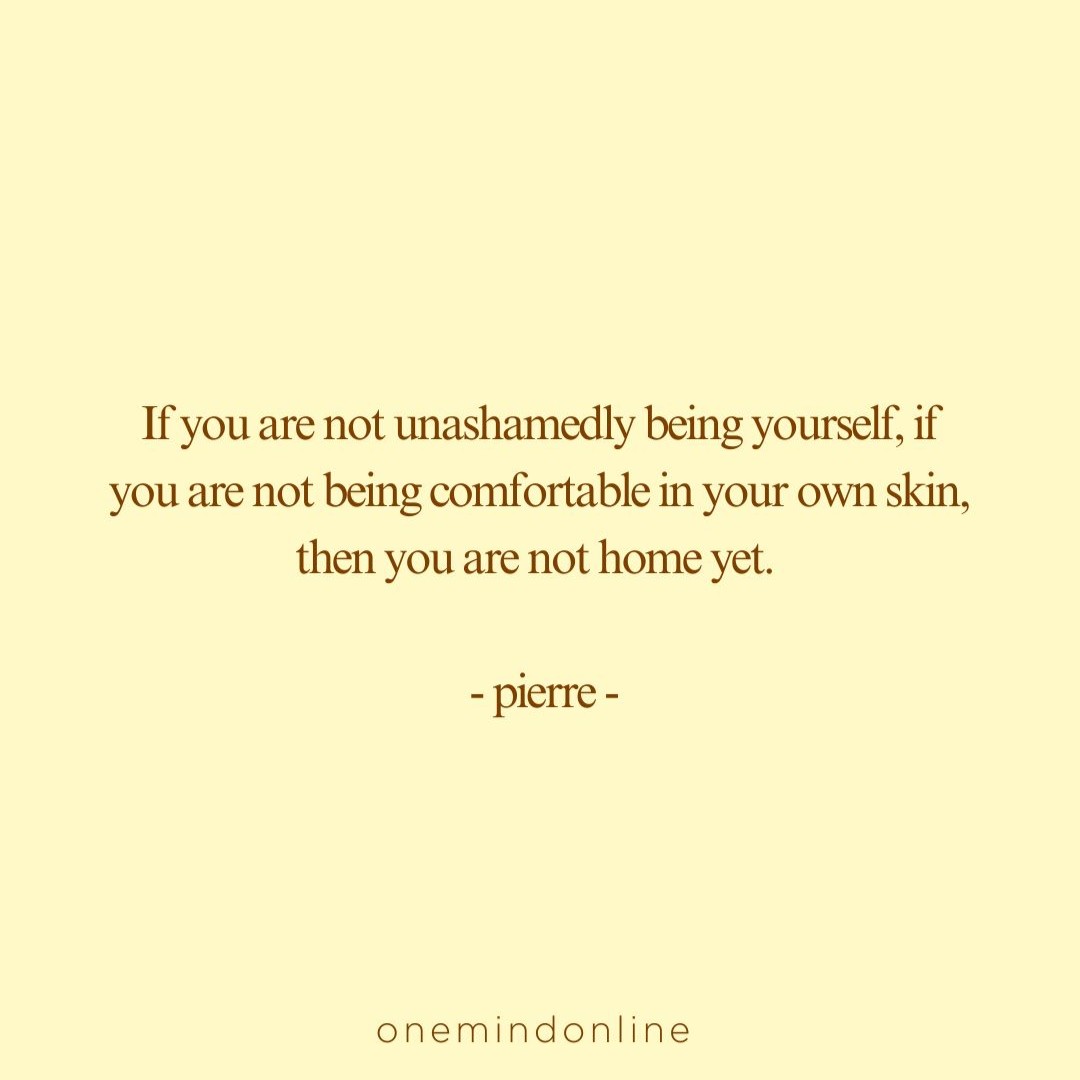
If you are not unashamedly being yourself, if you are not being comfortable in your own skin, then you are not home yet.
Truly being ourselves in this big scary world can be a hard thing to do, because since childhood we’ve been told and sometimes even forced into being the version that people around us think we should be.
Meditation gives us a safe sanctuary to retreat to and practise being ourselves. It is essential that we practise coming face to face with our authentic selves and get to a place of being at peace with who we are.
When you get up from your meditation it might still be difficult to step out into the world without any masks on, and it’s ok if your journey takes time. The work starts at home.
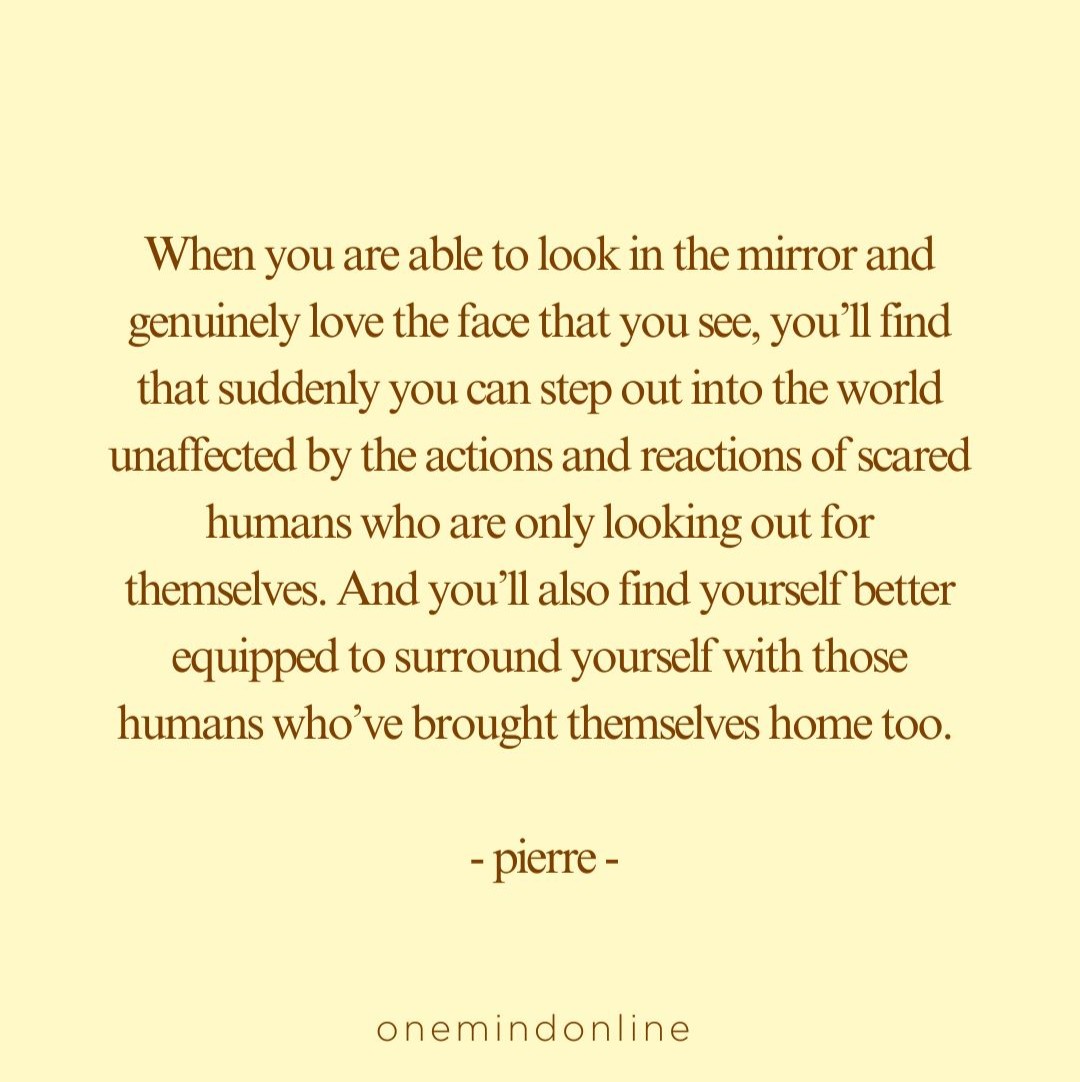
When you are able to look in the mirror and genuinely love the face that you see, you’ll find that suddenly you can step out into the world unaffected by the actions and reactions of scared humans who are only looking out for themselves. And you’ll also find yourself better equipped to surround yourself with those humans who’ve brought themselves home too.
Home is to be found within you, or nowhere at all.
A few thoughts to affirm the home that you are:
- “Within the depths of my being, I find a home that is always welcoming and secure.”
- “I am a spark of the divine light, eternally connected to the source of all creation.”
- “I am grounded in a serenity that transcends worldly chaos.”
By turning inward and cultivating a deep connection with our souls, we unlock a sense of peace, purpose, and belonging that transcends external circumstances. We become architects of our own happiness, creating a sanctuary within that is impervious to life’s storms.
Have a peaceful Sunday.
– pierre –
Today’s LIVE meditation is: Finding silence.
Today’s LIVE meditation
https://youtu.be/c-EWHCAodJ4 2022
https://www.youtube.com/watch?v=V3PIRJ-bxlM 2020
Practice the “Daily Dose”
Let’s put it into practice! Choose what works for you – daily, once a week or whenever inspiration strikes. Putting pen to paper wires the neural pathways that will create your new habits.
1 – Affirmation
Write down your favourite affirmation on a sticky note and place it somewhere that you’ll be able to see it the whole day.
- “Within the depths of my being, I find a home that is always welcoming and secure.”
- “I am a spark of the divine light, eternally connected to the source of all creation.”
- “I am grounded in a serenity that transcends worldly chaos.”
2 – A moment of reflection
Use today’s question as a journal prompt. If you don’t have the time to sit down and write, just take a moment to reflect on your response.
The Inner Sanctuary: Hermann Hesse speaks of a “stillness and sanctuary” within you. Describe what your inner sanctuary looks like, feels like, and sounds like. When do you feel most at home within yourself? What practices, environments, or activities help you connect with this inner space? Write about a time when you felt completely aligned with your authentic self – what were you doing, and what made that moment feel so true?
3 – Quotes to share
Send a quote to someone who needs it, or share them all on social media to spread the good vibes!
4 – Q&A for deeper learning
Read through the questions and answers and write down at least one “aha moment” that clicked for you.
Q1: What does it really mean to say “you are your home”?
It means that the sense of belonging, security, and peace you seek externally already exists within you. Instead of looking for validation, comfort, or fulfillment from outside sources, you learn to cultivate these feelings from within. Your true home is the sanctuary of your authentic self – a place you can always return to regardless of external circumstances.
Q2: How can I start practicing being more authentic when I’ve worn masks for so long?
Start small and be patient with yourself. Begin by practicing authenticity in low-stakes situations or with people you trust. Use meditation or quiet reflection to reconnect with who you really are beneath the masks. Notice when you’re performing versus when you’re being genuine. Remember that authenticity is a practice, not a destination – it takes time to unlearn years of conditioning.
Q3: Why does being alone feel so uncomfortable if solitude is supposed to lead to connection?
Many people fear solitude because in their experience, being alone was either on the receiving end of rejection or as a coping mechanism for dealing with an unsafe environment. They’ve been taught that being alone means being lonely or abandoned. In our busy, connected world, we rarely sit with ourselves without distractions. The discomfort often comes from confronting thoughts, feelings, or aspects of ourselves we’ve been avoiding. However, as Hesse suggests, when we grow into, and through this discomfort, and truly embrace solitude, we discover that our deepest self is connected to everything.
Q4: How do I know if I’m truly being myself or just telling myself I am?
Authentic self-expression usually feels simultaneously vulnerable and liberating. You’ll notice a sense of alignment between your inner truth and outer expression. Signs include: feeling energized rather than drained by interactions, making decisions based on your values rather than others’ expectations, and experiencing a sense of peace even when others disagree with you. If you’re constantly second-guessing yourself or feeling the need to justify your choices, you might still be operating from a place of performance rather than authenticity.
Q5: What if being authentic means disappointing or hurting people I care about?
This is one of the most challenging aspects of authentic living. Sometimes being true to yourself does mean disappointing others, especially if they’ve become attached to a version of you that isn’t real. However, relationships built on authentic foundations are stronger and more fulfilling than those built on performance. True friends and family will ultimately respect your authenticity, even if there’s an adjustment period. Remember that living inauthentically hurts both you and others in the long run.
Q6: How can meditation help me find my “inner home”?
Meditation creates a safe space to meet yourself without judgment or external pressure. It allows you to observe your thoughts, feelings, and reactions without immediately acting on them. Through regular practice, you develop a witness consciousness that can observe your authentic self beneath the layers of conditioning and social expectations. This stillness becomes a sanctuary you can access anytime, helping you remain centered regardless of external chaos.
Q7: What if I don’t like what I find when I look within?
This is a common fear, but it’s important to remember that self-discovery is about acceptance, not approval of everything you find. When you encounter aspects of yourself you don’t like, approach them with curiosity rather than judgment. Often, what we resist about ourselves are simply parts that need healing, understanding, or integration. The goal isn’t to become perfect but to become whole. As you develop self-compassion, you’ll find that even your perceived flaws can become sources of strength and wisdom.