
“Your Daily Dose” is a quick two minute read packed with bite-sized wisdom from all the great teachers. But you could also choose to turn it into something more… a powerful daily practice for personal growth. Give it a try!
A message from today’s meditation:
Happy Monday! A brand new week is here, brimming with possibilities for creation. Let’s tackle it head-on and make the most of this fresh start. This is the perfect time to stop and ask the question: “Will I create at my highest potential this week?”
So as we consider our creative endeavors, the words of Andy Puddicombe offer a gentle reminder about the process:
“In letting go, we cease trying to make something happen, and then the mind naturally opens. It is like watching a flower grow — free from effort, its petals naturally unfold to reveal its beauty.” – Andy Puddicombe
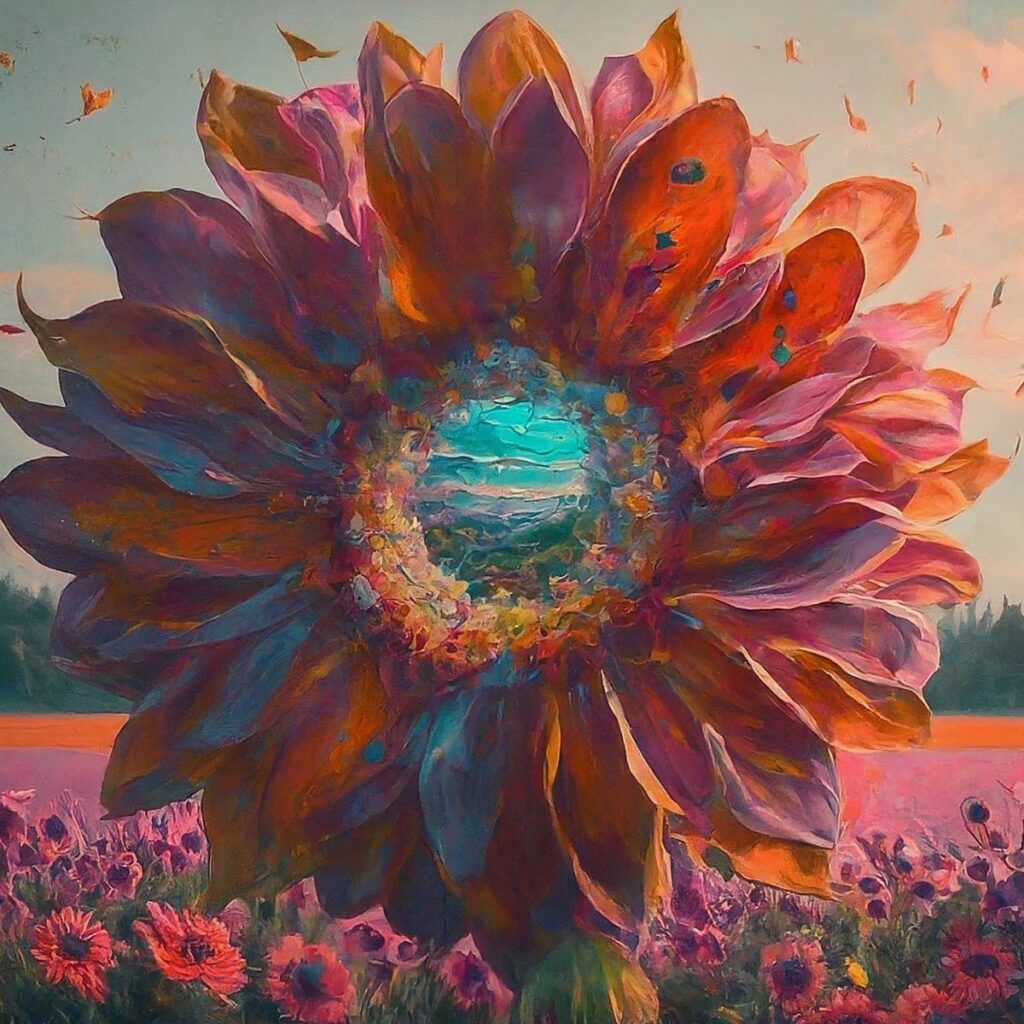
Just like this flower, we were all created to create! Might it be possible that just like this flower a part of you is ready to naturally unfold and bloom without needing to be motivated by threats and punishment and criticism and fear?
The truth is, our highest potential is always accessible. Like a seed containing the blueprint of a flower, we all have the inherent ability to blossom. Fear, however, frequently acts as a barrier. When we address and move beyond our fears, we naturally open ourselves to creating our best work.
“Best advice ever received was from one of my meditation teachers at the monastery: ‘Be present, be patient, be gentle, be kind… everything else will take care of itself.’” – Andy Puddicombe
Of course we have to take responsibility and of course we have to be accountable, but does that have to mean the absence of being present and patient and gentle and kind with ourselves? It is precisely when we attack ourselves – in the misguided attempt at doing better – that we wake up our biggest fears and rob ourselves from creating at our highest potential. Can you trust that you don’t have to attack, judge and criticize yourself in order to do your best?
This week, you have an opportunity to experiment with a different approach. Instead of driving yourself with criticism and fear, what if you trusted your natural creative instincts? What if you believed that being gentle with yourself actually enhances rather than diminishes your performance?
The path forward isn’t about doing more – it’s about being more. More present to the moment. More patient with the process. More gentle with your imperfections. More kind to the part of you that’s learning and growing.
We are starting this week with an empowering mantra:
- “I am a FEARLESS CREATOR,” trusting my natural ability to bloom.
- “I am DOING MY BEST,” and my best is enough in this moment.
- “I trust that I AM GUIDED,” toward my highest potential.
Repeat these when fear rears its head. Remember, just like the flower doesn’t force its bloom, trust the process. You are guided, you have the potential to create magic, and this week is your opportunity to unleash your inner blossom.
Have an awesome week!
– pierre –
Today’s LIVE meditation is: Jumpstart the week!
Today’s LIVE meditation
https://youtu.be/Egt2cvibZ1A 2026
https://youtu.be/NwbyemfE7nM 2025
https://youtu.be/MULJtkptHCE 2024
https://youtu.be/LSd8iY-9R6w 2022
https://youtu.be/e_ZvZtUqxeI 2021
Practice the “Daily Dose”
Let’s put it into practice! Choose what works for you – daily, once a week or whenever inspiration strikes. Putting pen to paper wires the neural pathways that will create your new habits.
1 – Affirmation
Write down your favourite affirmation on a sticky note and place it somewhere that you’ll be able to see it the whole day.
- “I am a FEARLESS CREATOR,” trusting my natural ability to bloom.
- “I am DOING MY BEST,” and my best is enough in this moment.
- “I trust that I AM GUIDED,” toward my highest potential.
2 – A moment of reflection
Use today’s question as a journal prompt. If you don’t have the time to sit down and write, just take a moment to reflect on your response.
Mapping Your Fears: Consider the insight: “Fear is the only thing that stands in our way. We have only to overcome our fears in order for us to naturally create at our highest potential.”
Write about: What specific fears show up when you think about creating at your highest potential this week? Are you afraid of judgment, failure, success, or something else entirely? Trace these fears back to their origins—when did you first learn to be afraid of your own creative power? Now imagine your life six months from now if you continued to let these fears make your decisions. Then visualize the same timeline where you acknowledge the fears but choose to create anyway. What would be different? What’s one small step you could take this week to prove to yourself that you can create despite the fear?
3 – Quotes to share
Send a quote to someone who needs it, or share them all on social media to spread the good vibes!


4 – Q&A for deeper learning
Read through the questions and answers and write down at least one “aha moment” that clicked for you.
Q1: Doesn’t being gentle with myself lead to laziness and lower standards?
This is one of the most common misconceptions about self-compassion. Research actually shows the opposite – when we’re gentle with ourselves, we create psychological safety that allows for greater risk-taking and innovation. The flower doesn’t bloom less beautifully because it grows naturally; it blooms more authentically. Being gentle doesn’t mean accepting mediocrity; it means creating the optimal conditions for excellence to emerge organically. Fear-based motivation might get short-term results, but it’s unsustainable and often leads to burnout and creative blocks.
Q2: How do I know if I’m truly creating at my highest potential or just making excuses?
The key indicator is your internal state and long-term trajectory. When you’re creating from your highest potential, you experience what the article calls “natural unfolding” – there’s effort, but the action feels aligned rather than forced. You’re engaged, curious, and willing to learn from mistakes without harsh self-judgment. Making excuses, on the other hand, typically involves avoiding responsibility altogether. True potential includes accountability, but it’s accountability wrapped in self-compassion rather than self-attack.
Q3: What if my fears feel too overwhelming to overcome?
The goal isn’t to eliminate fear entirely – it’s to create alongside it. Fear often signals that something matters to you, which is actually valuable information. Start by acknowledging your fears without judgment, then take one small action despite their presence. As Andy Puddicombe suggests, be “present, patient, gentle, and kind” with yourself as you face these fears. Consider that courage isn’t the absence of fear; it’s choosing to create anyway. Each small act of creative courage builds your confidence for larger ones.
Q4: How can I practically apply the “flower” metaphor to my daily creative work?
Start by observing your current approach: Are you forcing solutions or allowing them to emerge? The flower metaphor suggests creating optimal conditions (like adequate rest, inspiration, and self-compassion) and then trusting the process. This might mean taking breaks when stuck, seeking inspiration without judgment, and allowing ideas to develop naturally rather than demanding immediate perfection. Schedule creative time without specific outcome pressure – just as flowers need both sunlight and rest periods to bloom.
Q5: Is it realistic to maintain this gentle approach in high-pressure environments?
The gentle approach isn’t about being passive – it’s about sustainable high performance. In high-pressure situations, the principles become even more crucial. When you maintain presence, patience, and self-kindness under pressure, you actually think more clearly and make better decisions. The alternative – self-attack and fear-based motivation – leads to tunnel vision and reactive responses. Many high achievers discover that their best work comes from this centered, trust-based approach, even in demanding environments.
Q6: What if I’ve been self-critical for so long that I don’t know how to be gentle with myself?
This is incredibly common, and the awareness itself is already a significant first step. Start small: notice when your inner critic activates, and simply pause before responding to yourself. You might ask, “How would I speak to a good friend in this situation?” or “What would gentleness look like right now?” The mantras provided – “I am doing my best” and “I trust that I am guided” – can serve as gentle interruptions to harsh self-talk. Remember, changing this pattern is itself a creative act that deserves patience and compassion.
Q7: How do I balance being a “fearless creator” with practical concerns like deadlines and expectations?
Being a “fearless creator” doesn’t mean being reckless – it means not letting fear make your creative decisions. You can acknowledge practical constraints while still approaching your work from a place of trust rather than panic. This might look like realistic planning combined with faith in your ability to meet challenges creatively. When faced with deadlines, ask yourself: “How can I approach this with presence and trust while still being responsible?” Often, this centered approach actually makes you more efficient and innovative than fear-based rushing.