
“Your Daily Dose” is a quick two minute read packed with bite-sized wisdom from all the great teachers. But you could also choose to turn it into something more… a powerful daily practice for personal growth. Give it a try!
A message from today’s meditation:
We’ve all felt the weight of unrealistic expectations, the pressure to constantly strive for more, to be more. The need to always be outperforming ourselves can feel relentless, leaving us exhausted, frustrated, and never quite good enough. But what if we could shift our perspective, release the pressure, and simply do our best?
The problem is that we’ve developed a warped, overachiever mentality about what “our best” actually means. We believe our best is only acceptable if it’s continuously improving, day after day, without any setbacks or fluctuations. This impossible standard sets us up for failure before we even begin. If you haven’t read “The four agreements” by Don Miguel Ruiz yet, I seriously suggest that you do! And even if you have read it before, I’ll remind you of the importance of this chapter:
“Every human is an artist. The dream of your life is to make beautiful art.
Your best is going to change from moment to moment; it will be different when you are healthy as opposed to sick. Under any circumstance, simply do your best, and you will avoid self-judgment, self-abuse and regret.
Everything is alive and changing all the time, so your best will sometimes be high quality, and other times it will not be as good. When you wake up refreshed and energized in the morning, your best will be better than when you are tired at night. Your best will be different when you are healthy as opposed to sick; it will depend on whether you are feeling wonderful and happy, or angry and upset.
Your best will also change over time, but keep doing your best — no more and no less than your best. If you try too hard to do more than your best, you will spend more energy than is needed and in the end your best will not be enough. When you overdo, you deplete your body and go against yourself, and it will take you longer to accomplish your goal.
If you just do your best, there is no way you can judge yourself. And if you don’t judge yourself there is no way you are going to suffer from guilt, blame, and self-punishment. If you have done your best and your inner Judge tries to judge you, you’ve got the answer: “I did my best.” There are no regrets. That is why we always do our best. It is not an easy agreement to keep, but this agreement is really going to set you free.
Also, go inside and listen to your body, because your body will never lie to you. Your mind will play tricks, but the way you feel in your heart, in your guts, is the truth.”
Thank you Don Miguel Ruiz!
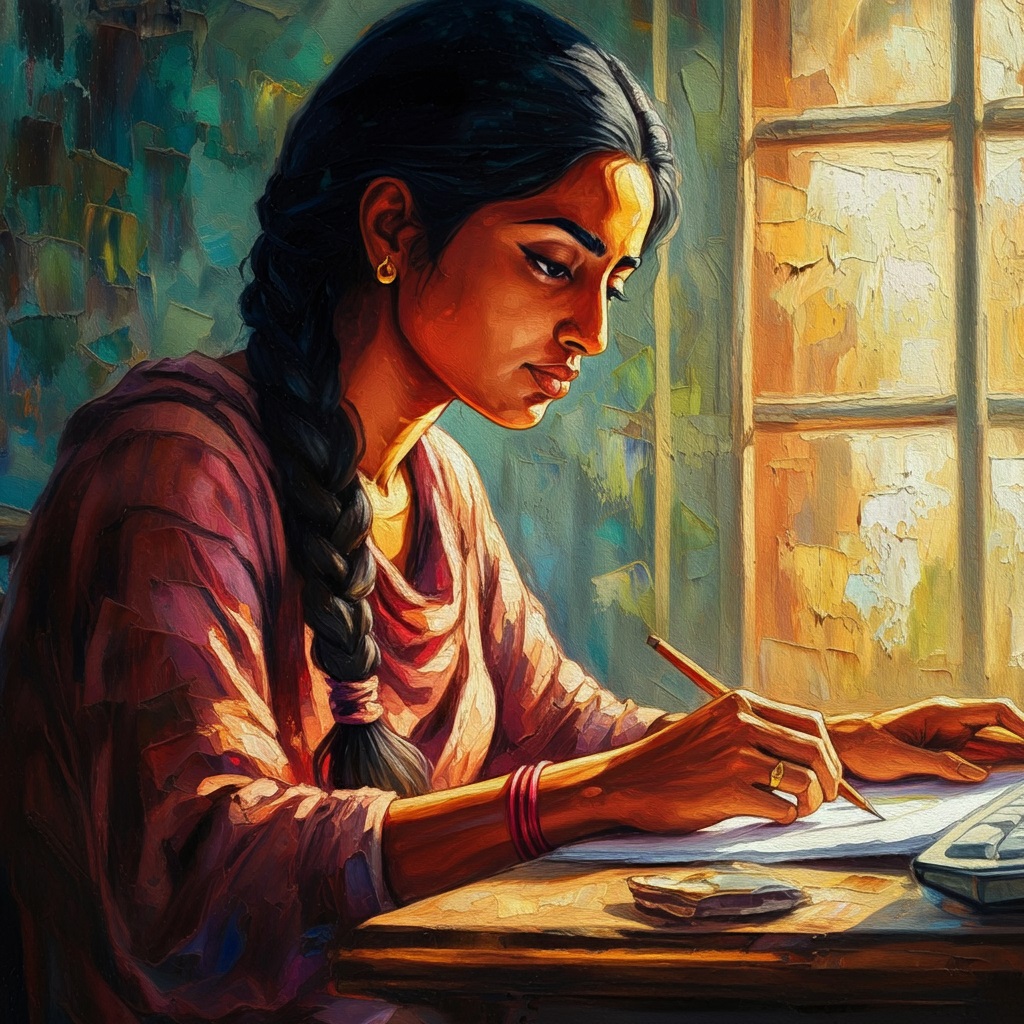
Every human is an artist, a creator, and your whole life is the canvas. When we are presented with this idea we might think of Van Gogh, Picasso or any number of other recognized artists but that is just a very thin slice of what it is to create.
When speaking about what we’re creating, I often get this response, “I don’t create anything, I’m just a stay at home mom,” or “I’m not a creator, I just have a desk job.”
We are all creating every day! You are creating your life. The environment you create around you will have a direct impact on the people around you and of course, the inner environment that you have created is at the core of everything you do.
So while you set out to create this week, remind yourself to just do your best.
It’s impossible for your “best” to always be better than the day before and also, it’s not necessary. Every day you are given the opportunity to create, and all that is necessary is that you start every day with the same mantra again and again, “Today I will do my best.”
I wish you a week of fearlessly creating at your highest potential, while just doing your best… no more and no less.
Remember these mantras to guide your self-reflection:
- Embrace imperfection: “I release the need for perfection and embrace my human journey.”
- Practice self-compassion: “I choose self-compassion over self-judgment.”
- Focus on progress, not perfection: “I celebrate progress, knowing that growth is not linear.”
- Let go of the need to control: “I surrender to the flow of life and trust the process.”
- Do your best, no more, no less: “My best today is enough, exactly as it is.”
Every human is an artist, a creator. Our lives are the canvas upon which we paint our masterpieces. Whether you’re a stay-at-home parent, a corporate executive, or a creative visionary, you are constantly creating something. You’re creating your relationships, your environment, and most importantly, your own reality.
– pierre –
Today’s LIVE meditation is: Jumpstart the week!
Today’s LIVE meditation
https://youtu.be/LH_1V79gXAM 2025
https://youtu.be/LI4SSV0I6g4 2024
https://youtu.be/olXojQ8Re_w 2023
Practice the “Daily Dose”
Let’s put it into practice! Choose what works for you – daily, once a week or whenever inspiration strikes. Putting pen to paper wires the neural pathways that will create your new habits.
1 – Affirmation
Write down your favourite affirmation on a sticky note and place it somewhere that you’ll be able to see it the whole day.
- Embrace imperfection: “I release the need for perfection and embrace my human journey.”
- Practice self-compassion: “I choose self-compassion over self-judgment.”
- Focus on progress, not perfection: “I celebrate progress, knowing that growth is not linear.”
- Let go of the need to control: “I surrender to the flow of life and trust the process.”
- Do your best, no more, no less: “My best today is enough, exactly as it is.”
2 – A moment of reflection
Use today’s question as a journal prompt. If you don’t have the time to sit down and write, just take a moment to reflect on your response.
The Artist Within: You are an artist and your life is the canvas, you are creating your life every single day. Grab a pen and some paper and write down these four themes: “Relationships”, “Physical”, “Professional”, and your “Inner world”. Write two paragraphs for each of these themes. In the first paragraph answer the question, “What have I been creating lately?” What have you recently been creating in your relationships, in your body, in your work and in your mind? And in the second paragraph answer the question, “What do I want to create with more intention?” and then for each theme describe where you are going to place your focus on next.
3 – Quotes to share
Send a quote to someone who needs it, or share them all on social media to spread the good vibes!


4 – Q&A for deeper learning
Read through the questions and answers and write down at least one “aha moment” that clicked for you.
Q1: Doesn’t “doing your best” mean I should always be improving?
A: No, this is actually the misconception that creates so much suffering. Your “best” is contextual and changes based on your health, energy, emotional state, and circumstances. Some days your best will be higher quality than others, and that’s completely natural. The goal isn’t constant improvement but consistent effort given your current reality.
Q2: How do I know if I’m actually doing my best or just making excuses?
A: Listen to your body, not just your mind. Your body will tell you the truth about whether you’re genuinely at capacity or avoiding effort. If you feel depleted, exhausted, or stretched too thin, you may actually be doing more than your best. If you feel restless, avoidant, or know deep down you could engage more fully, you might not be giving your genuine best. Honesty with yourself is key.
Q3: Won’t accepting “my best” lead to complacency or mediocrity?
A: Actually, the opposite is true. When you’re constantly judging yourself and pushing beyond your capacity, you deplete your resources and become less effective. Doing your best—no more, no less—allows you to sustain your efforts, avoid burnout, and actually achieve more over time. It’s about working with your natural rhythms rather than against them.
Q4: How can I stop comparing my “best” to other people’s achievements?
A: Remember that you’re seeing others’ highlight reels, not their full reality. You don’t know their circumstances, resources, support systems, or internal struggles. Your best is personal to you and your unique situation. The only meaningful comparison is between where you are today and where you were yesterday—and even that should be held lightly.
Q5: What does it mean that “every human is an artist”?
A: This isn’t about traditional art forms like painting or music. It means that you are constantly creating your reality—your relationships, your environment, your responses to life, your inner world. Whether you’re parenting, working at a desk job, or building a business, you’re shaping your life and influencing those around you. That’s the art of living.
Q6: How do I practice self-compassion when I fall short of my expectations?
A: Start by talking to yourself the way you’d talk to a good friend or loved one. Would you berate them for being human? Remind yourself: “I did my best today given my circumstances.” Acknowledge your effort rather than only the outcome. Recognize that setbacks and fluctuations are part of being human, not evidence of failure.
Q7: Can I apply “do your best” to major goals and ambitions, or is it just for daily tasks?
A: The reality is that major goals are not achieved in giant leaps, but in a steady accumulation of consistent daily actions. Your capacity to “do your best” will fluctuate, but your commitment to show up must not. Think of your major ambition as a skyscraper. You don’t build it in one heroic day; you build it brick by brick, every single day. Some days you might lay ten perfect bricks (your absolute best), and on others, maybe you only manage to lay one (your ‘good enough’ best). The long-term result comes from the daily presence and placement of those bricks, ensuring sustainable progress and making the big goal an inevitable consequence of your daily routine.