
“Your Daily Dose” is a quick two minute read packed with bite-sized wisdom from all the great teachers. But you could also choose to turn it into something more… a powerful daily practice for personal growth. Give it a try!
A message from today’s meditation:
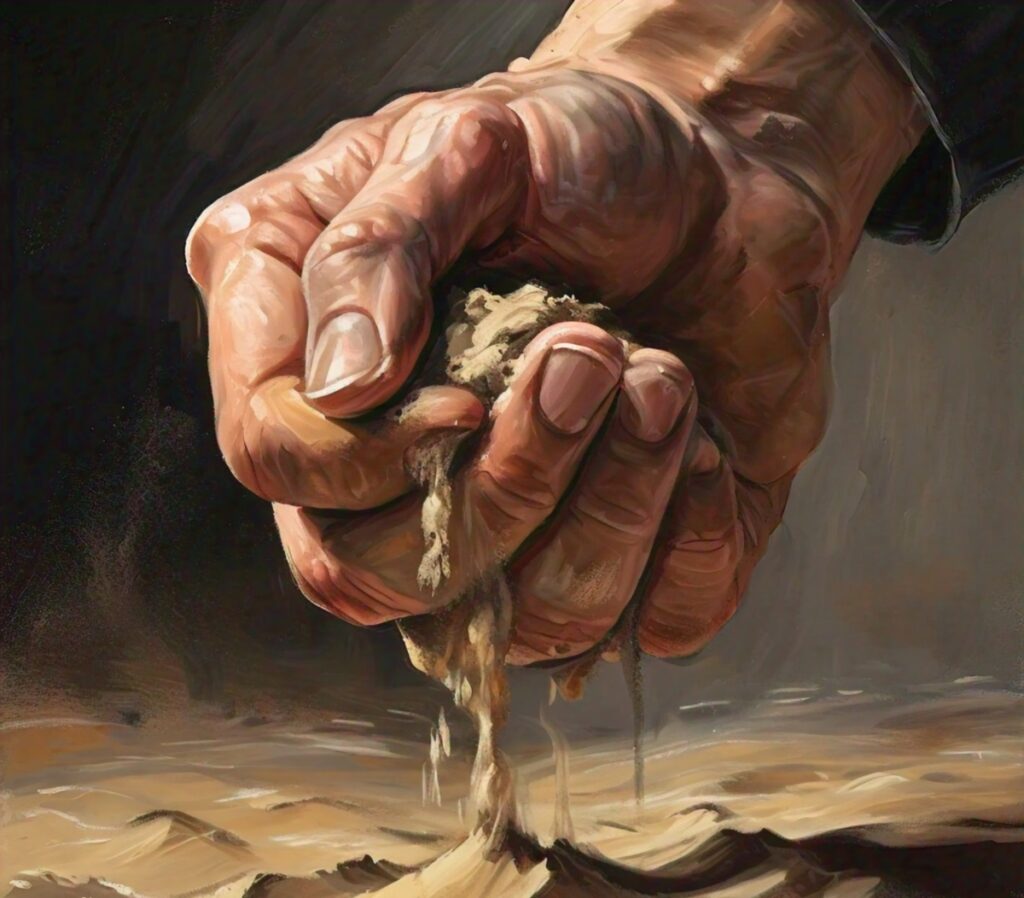
Letting go… or hearing the words, “just let it go” is one of those disservices we do to ourselves and others while we’re trying to be really well meaning. It feels like the right thing to say, but we all have our own moments of struggling with our own personal example of not being able to let something go when we think, “how do other people do this, because I really struggle to let go.”
Jon Kabat-Zinn has a beautiful explanation of how the process of “letting go” works in reality…
“When people say “Let it go,” what they really mean is “Get over it,” and that’s just not a helpful thing to say. It’s not a matter of letting go – you would if you could. Instead of “Let it go,” we should probably say “Let it be” – this recognizes that the mind might not let go and the problem may not go away, and it allows you to form a healthier relationship with what’s bothering you.” – Jon Kabat-Zinn
“Healing is ‘a coming to terms with’ things as they are, rather than struggling to force them to be as they once were, or as we would like them to be in order to feel secure.” – Jon Kabat-Zinn
“Wherever you go, there you are. Whatever you wind up doing, that’s what you’ve wound up doing. Whatever you are thinking right now, that’s what’s on your mind. Whatever has happened to you, it has already happened. The important question is, “how are you choosing to deal with it now?” …. Like it or not, this moment is all we really have to work with.” – Jon Kabat-Zinn
“Patience is a form of wisdom. It demonstrates that we understand and accept the fact that sometimes things must unfold in their own time.” – Jon Kabat-Zinn
Today’s meditation journey puts this into practice.
The thing that we want to know is, “yes but what do I do?” and the answer is “first do nothing”. The urgency with which we want to DO doesn’t come from our higher self but from our scared self, and we have to first move beyond this place of fear before we take action.
When you find the mountain in you, you find that you are able to be OK no matter what the weather is. Sunshine, rain or storm, you are able to be in the midst of all of this and find that you are completely OK, happy even. This is your inner strength, the part of you that is not disturbed by any of this, this is your wisdom. Listen to this part of you to decide what the next step is.
Mantras to help you embrace your mountain:
- “I embrace this present moment, I am able to be with whatever arises.”
- “I can observe my thoughts and feelings without judgment, knowing they don’t define me.”
- “I am the mountain – unshaken by life’s changing weather.”
- “I trust my inner wisdom to guide me, one breath at a time.”
By embracing this moment-to-moment awareness, we can develop a greater sense of peace and resilience. When challenges arise, we can respond with patience and understanding, rather than reacting impulsively. Turn to the wisdom of the mountain. The mountain remains steadfast, no matter the weather. It endures storms, droughts, and floods with equanimity. It doesn’t try to control the world around it, it simply is. We can learn from this example and cultivate our own inner strength and resilience.
– pierre –
Today’s LIVE meditation is: I am the mountain.
Today’s LIVE meditation
https://youtu.be/wZiVOxWNxsg 2025
https://youtu.be/O70Y8t-8MMk 2024
https://www.youtube.com/watch?v=c1wxhhZ0Uh0 2022
Practice the “Daily Dose”
Let’s put it into practice! Choose what works for you – daily, once a week or whenever inspiration strikes. Putting pen to paper wires the neural pathways that will create your new habits.
1 – Affirmation
Write down your favourite affirmation on a sticky note and place it somewhere that you’ll be able to see it the whole day.
- “I embrace this present moment, I am able to be with whatever arises.”
- “I can observe my thoughts and feelings without judgment, knowing they don’t define me.”
- “I am the mountain – unshaken by life’s changing weather.”
- “I trust my inner wisdom to guide me, one breath at a time.”
2 – A moment of reflection
Use today’s question as a journal prompt. If you don’t have the time to sit down and write, just take a moment to reflect on your response.
Patience as Wisdom: Write about something in your life right now that requires patience. How does it feel to “understand and accept the fact that sometimes things must unfold in their own time”? What resistance comes up, and what peace might be available if you truly trusted the process?
3 – Quotes to share
Send a quote to someone who needs it, or share them all on social media to spread the good vibes!


4 – Q&A for deeper learning
Read through the questions and answers and write down at least one “aha moment” that clicked for you.
Q1: What’s the difference between “letting go” and “letting be”?
A: “Letting go” implies you must release or completely get rid of something that bothers you. It implies that you should be able to “just not think about it again.” “Letting be” acknowledges that your mind may not let go and the problem may not disappear, but you can still form a healthier relationship with what’s bothering you. It’s about acceptance rather than elimination, “What happened cannot un-happen, but you can learn to be at peace with reality as it is.”
Q2: Why does the advice to “just let it go” feel so unhelpful?
A: Because it’s actually shorthand for “get over it,” which dismisses the complexity of your experience. If you could simply let it go, you already would have. This advice often makes people feel inadequate for struggling with something they can’t easily release, adding shame to an already difficult situation.
Q3: What does it mean to “first do nothing” when I’m struggling?
A: “First doing nothing” doesn’t mean being passive forever. It means pausing before reacting, especially when you feel urgent pressure to act. This urgency usually comes from fear rather than wisdom. By creating space before action, you can move beyond your frightened reactive self and access your deeper wisdom about what’s truly needed.
Q4: How do I find the “mountain within” when I’m in emotional turmoil?
A: Start by recognizing that there’s a part of you that can observe your emotional weather without being swept away by it. This observer—your inner mountain—remains steady even when storms rage. You access it through present-moment awareness, noticing that you can feel emotions without being destroyed by them. Regular meditation practice strengthens this awareness.
Q5: Is patience just another way of avoiding taking action?
A: No. As Kabat-Zinn explains, patience is actually a form of wisdom—it’s understanding that some things need time to unfold naturally. True patience isn’t passive; it’s actively trusting the process while remaining present and aware. It prevents impulsive reactions that might make situations worse and allows space for wise action to emerge.
Q6: How can I be okay with things I genuinely want to change?
A: Accepting the way things are right now, doesn’t mean you’re content with them being this way forever. It means you stop exhausting yourself by resisting reality. When you accept “what is” in this moment, you actually gain clarity and energy to respond effectively. Fighting against reality keeps you splashing in your pond without making progress; acceptance creates the foundation for genuine transformation.
Q7: What’s the first step in developing this “mountain” resilience?
A: Begin with present-moment awareness. As Kabat-Zinn says, “this moment is all we really have to work with.” Practice noticing what’s actually happening right now—your breath, your body, your surroundings—without immediately trying to change it. This simple practice of being with what is, without judgment, gradually builds your inner steadiness and reveals the mountain that was always there.