

“Your Daily Dose” is a quick two minute read packed with bite-sized wisdom from all the great teachers. But you could also choose to turn it into something more… a powerful daily practice for personal growth. Give it a try!
A message from today’s meditation:
Today’s conversation is about coping mechanisms, and especially the masks we find ourselves reaching for in order to feel like we’re being accepted by the humans around us.
A “coping mechanism” is not a moral failing, it’s just the scared part of a human trying hard to deal with what can sometimes feel like too much to handle.
My favourite part of the work of the poet Hafez, is that while he spoke about serious subjects he also had a deeply mischievous streak. For all his seriousness, he never strayed far away from humour, and in today’s quotes his humour shines bright.
“Admit something… everyone you see, you say to them “love me.” Of course you don’t do this out loud, otherwise someone would call the police. Still though, think about this, this great pull in us to connect.” – Hafez
Hafez accurately describes the biggest reason for most of our coping mechanisms – the very deep need to be accepted. To some degree we all have a desperation to belong – old programming left over from our tribal days when an abandoned human wouldn’t survive well in the wilderness alone.
Even though there is nothing morally ‘wrong’ with having a coping mechanism, it also never provides the actual solution, only temporary relief. Every coping mechanism ultimately hinders our personal growth and fulfillment. Just like a crutch that can be very useful for a time to relieve pressure and allow healing to happen, but ultimately if you want to stand fully on two firm legs again, you will have to completely let it go.
Hafez provides the best description I’ve ever heard of the hollow rewards that our coping mechanisms provide – whether it’s the temporary relief provided by a substance and then the inevitable crash… or the brief moment when someone likes our performance, followed by days of exhaustion from maintaining the facade:
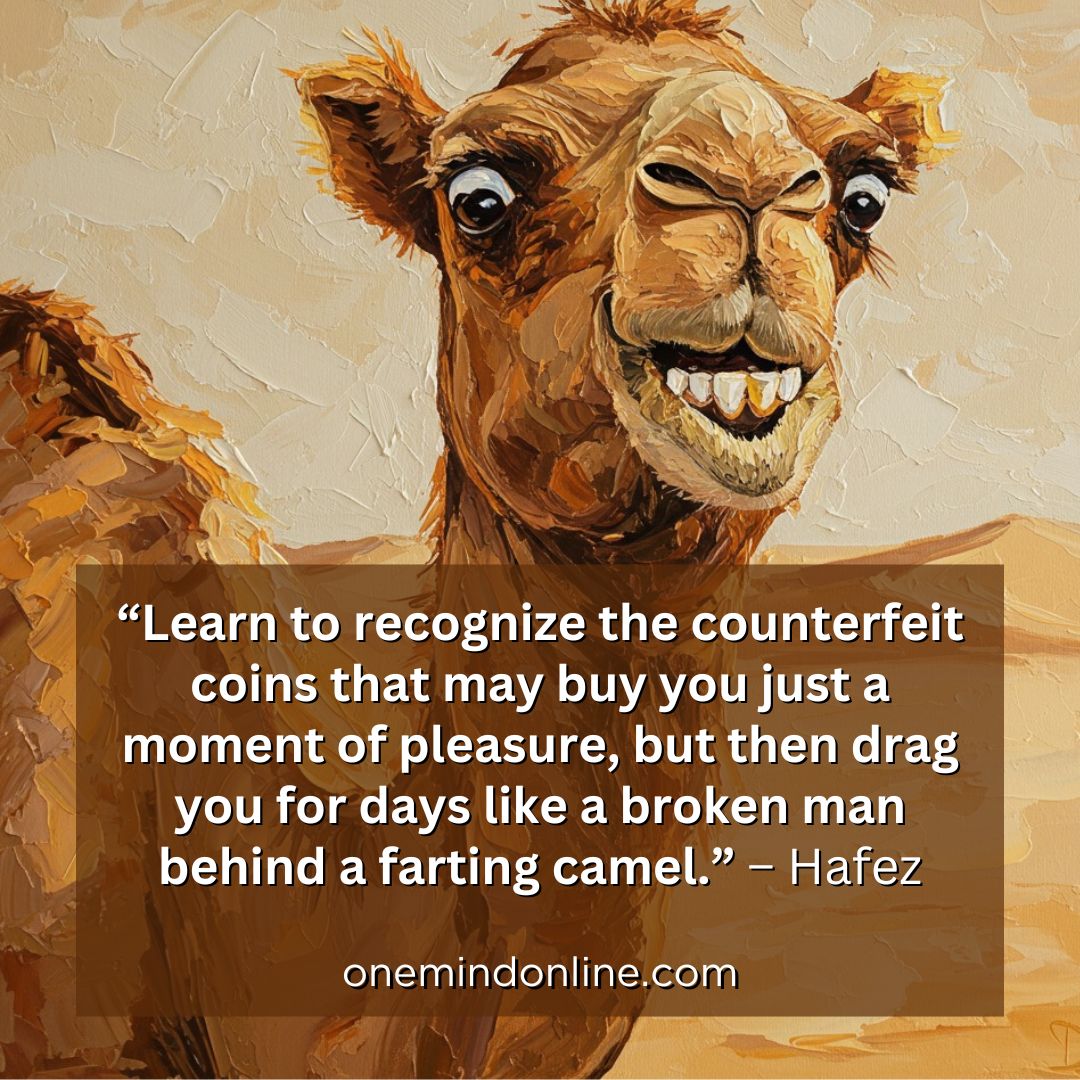
“Learn to recognize the counterfeit coins that may buy you just a moment of pleasure, but then drag you for days like a broken man behind a farting camel.” – Hafez
The hardest coping mechanism to spot, might be our ability to put on a mask in an attempt to make ourselves acceptable to the people around us.
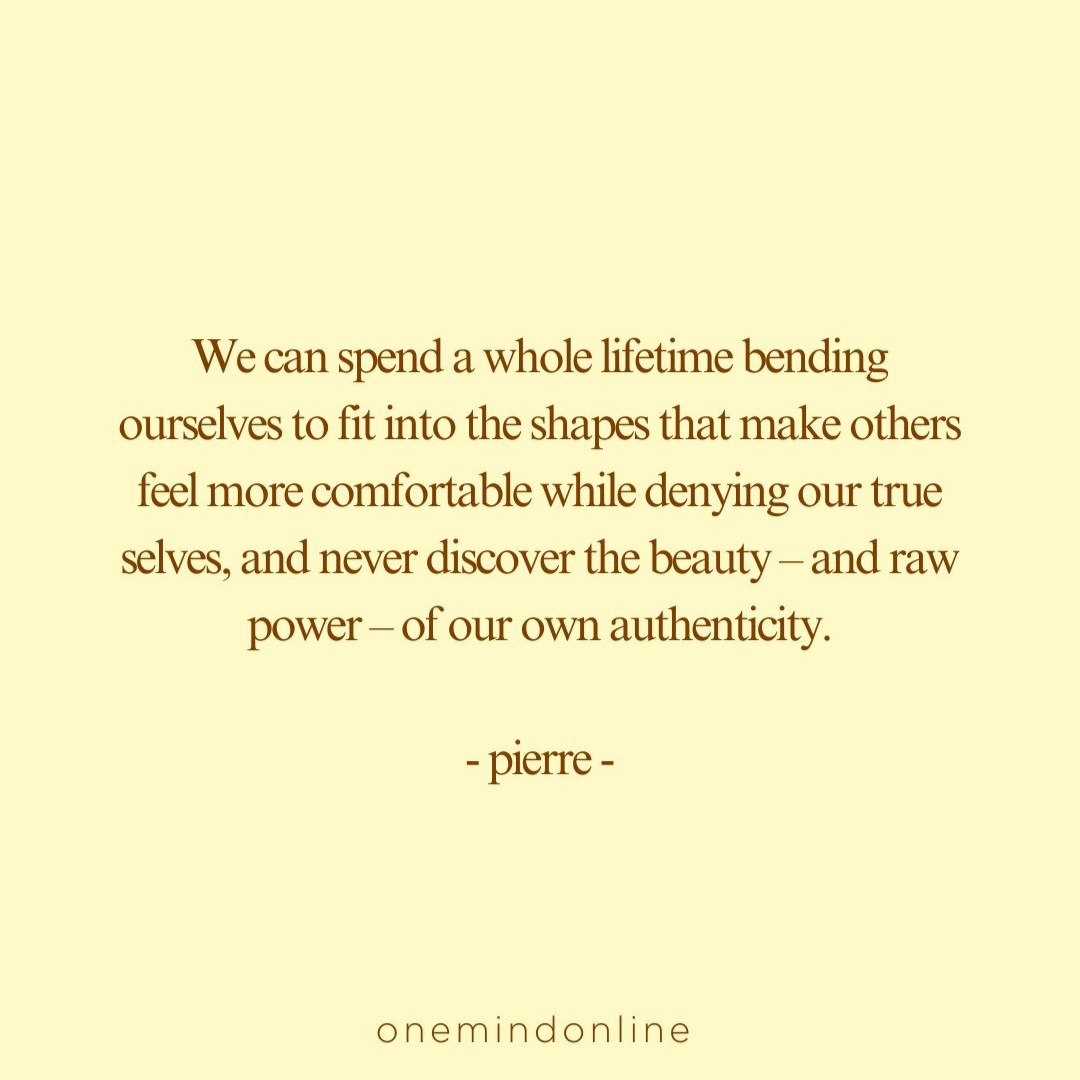
We can spend a whole lifetime bending ourselves to fit into the shapes that make others feel more comfortable while denying our true selves, and never discover the beauty – and raw power – of our own authenticity.
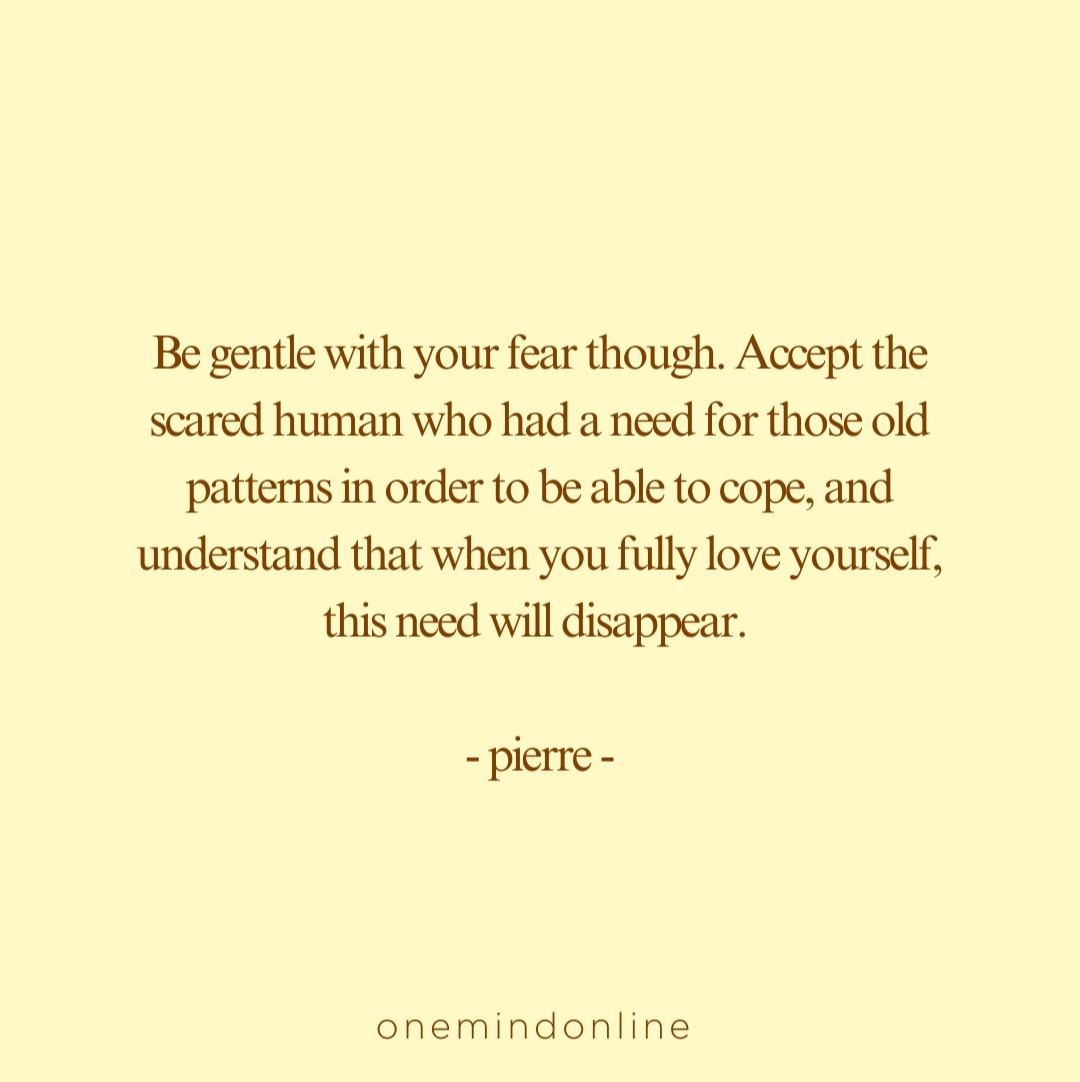
Be gentle with your fear though. Accept the scared human who had a need for those old patterns in order to be able to cope, and understand that when you fully love yourself, this need will disappear.
Masks are always worn in an attempt to find acceptance. And we will find ourselves reaching for the same old masks and coping mechanisms again and again, until we are able to look at ourselves with kindness, and finally extend to ourselves the acceptance and love that we have always yearned for.
A few affirmations to reflect upon:
- “I am worthy of love and acceptance, just as I am.”
- “I choose to live a life of authenticity and fulfillment.”
- “I release the need to conform to others’ expectations.”
- “I embrace my unique qualities and express myself authentically.”
- “I am gentle with myself as I navigate this journey of self-discovery.”
Join us for a gentle journey of recognizing your own masks and empower yourself with the awareness of where it is that you feel the need to hide your true self.
Have a beautiful day beautiful humans!
– pierre –
Today’s LIVE meditation is: The masks we wear.
Today’s LIVE meditation
https://youtu.be/9TWmbmdyFkc 2025
https://youtu.be/iPWikNArim8 2024
https://youtu.be/32hldoYNKOQ 2023
https://youtu.be/GnEpJmFgzQ8 2022
Practice the “Daily Dose”
Let’s put it into practice! Choose what works for you – daily, once a week or whenever inspiration strikes. Putting pen to paper wires the neural pathways that will create your new habits.
1 – Affirmation
Write down your favourite affirmation on a sticky note and place it somewhere that you’ll be able to see it the whole day.
- “I am worthy of love and acceptance, just as I am.”
- “I choose to live a life of authenticity and fulfillment.”
- “I release the need to conform to others’ expectations.”
- “I embrace my unique qualities and express myself authentically.”
- “I am gentle with myself as I navigate this journey of self-discovery.”
2 – A moment of reflection
Use today’s question as a journal prompt. If you don’t have the time to sit down and write, just take a moment to reflect on your response.
The Counterfeit Coins in Your Life: Hafez speaks of “counterfeit coins that may buy you just a moment of pleasure, but then drag you for days like a broken man behind a farting camel.” – Reflect on a time when you received validation or acceptance by trying to be someone that you’re not. How did it feel to be accepted for being who “they” wanted you to be? How did it feel in your body, your heart, your mind? Then explore what came after – the exhaustion, the disconnection from yourself, the need to maintain the performance. What did this cycle teach you about the true cost of seeking external approval?
3 – Quotes to share
Send a quote to someone who needs it, or share them all on social media to spread the good vibes!
4 – Q&A for deeper learning
Read through the questions and answers and write down at least one “aha moment” that clicked for you.
Q1: Is it wrong to have coping mechanisms?
Not at all. Coping mechanisms aren’t moral failings – they’re simply the scared part of us trying to handle what sometimes feels like too much to bear. Everyone has them, and they often serve an important purpose in helping us survive difficult situations. The key is recognizing when they’ve outlived their usefulness and are now hindering rather than helping our growth.
Q2: How can I tell if I’m wearing a mask or just being socially appropriate?
The difference lies in your internal experience. Simply being socially appropriate feels natural and doesn’t require you to deny core aspects of yourself. Mask-wearing, however, creates internal tension – you feel like you’re performing, exhausted by the effort, or disconnected from your true feelings and thoughts. Ask yourself: “Am I adapting my behaviour while staying true to myself, or am I becoming someone I’m not?”
Q3: What if people reject me when I stop wearing masks?
This fear is completely understandable – it’s that ancient tribal programming at work. The truth is, some people might not resonate with your authentic self, and that’s actually valuable information. Those who can’t accept the real you weren’t truly accepting you anyway – they were accepting your performance. Meanwhile, authenticity attracts people who genuinely appreciate you for who you are, creating deeper, more satisfying connections.
Q4: I’ve been wearing masks for so long, I don’t know who I really am anymore. How do I find my authentic self?
This is more common than you might think. Start small by paying attention to moments when you feel most like yourself – what are you doing, who are you with, what thoughts and feelings arise naturally? Notice what you enjoy when no one is watching, what values feel most important to you, and what makes you feel energized rather than drained. Authenticity isn’t something you create; it’s something you uncover by removing the layers that aren’t truly you.
Q5: How do I stop seeking validation from others?
The path involves gradually becoming your own source of validation. Practice giving yourself the acceptance and love you’ve been seeking externally. This might mean celebrating your small wins, speaking to yourself with kindness, or acknowledging your efforts rather than just your outcomes. As you develop a stronger relationship with yourself, the desperate need for external approval naturally diminishes.
Q6: What does Hafez mean by “counterfeit coins”?
Counterfeit coins represent the hollow rewards we get from our coping mechanisms – brief moments of acceptance or validation that come at the cost of our authenticity. They feel valuable in the moment (like getting likes on social media for a post that isn’t really “you,” or having people approve of you when you’re people-pleasing), but they leave us feeling empty and exhausted afterward because they’re not based on genuine connection to who we really are.
Q7: Is it possible to be too authentic? Should I always express exactly what I’m thinking and feeling?
Should you really blurt out every single thought that pops into your head the instant it arrives? Should you unzip your pants and take a dump wherever you happen to be standing the moment the urge hits? Of course not – and thought works the same way. Your brain churns out a constant stream of thinking on autopilot, just like your digestive system runs its own automatic processes in the background; neither one is “you,” they’re just biology doing what biology does. When your words and actions are being hijacked by every passing thought, you’re not being authentic – you’re being a puppet, controlled by your own animalistic urges. Your authentic being isn’t reactive, it’s discerning: it’s the quiet space between a thought arising and you choosing whether it deserves your voice, rooted in your actual values rather than whatever fired first in your mind. The goal was never to stop filtering – it’s to stop letting other people’s approval BE the filter, and to start using your own wisdom as the gate for what passes your lips instead.