Get ready to be inspired in just about the time it takes to brew a cup of tea (about 2 minutes)! And if you’ve got your feet up and that tea’s still hot, we’ve got a whole buffet of brilliance waiting for you on our menu.
A message from today’s meditation:
Fear. It’s a primal emotion that can be incredibly motivating, urging us to avoid danger and protect ourselves. But fear can also be a formidable foe, holding us back from reaching our full potential.
Our greatest limitations often reside within ourselves. We build walls of fear – fear of failure, fear of the unknown, fear of rejection. These walls may have served a purpose at some point, but they can also become prisons, restricting us from pursuing our dreams and experiencing the richness that life offers.
What is it that places limits on us? It is always our own fears.
“Personal growth is not a matter of learning new information but of unlearning our old limitations.” – Alan Cohen
“All limits exist only in the mind, and it is only in the mind that they can be overcome.” – Alan Cohen
“We can look at any experience in two ways: through the eyes of lack, or the eyes of plenty. Fear sees limits, while love sees possibilities. Each attitude will be justified by the belief system you cherish. Change your allegiance from fear to love, and love will sustain you wherever you walk.” – Alan Cohen
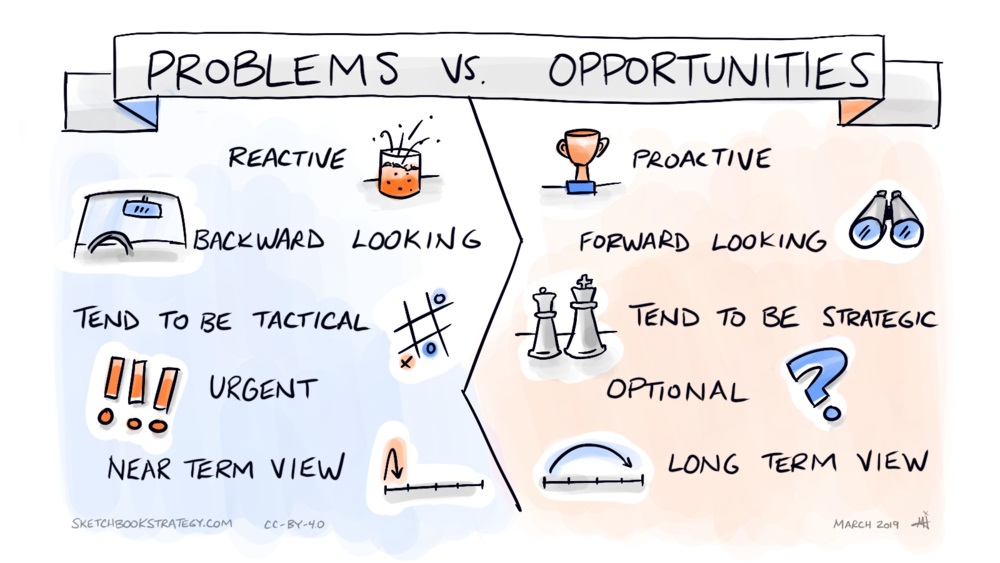
You can be aligned to problems or you can be aligned to possibilities – Fear focuses on problems and by placing its attention there, continues to pour ever more energy into what’s already ‘wrong’. Love doesn’t ignore problems, but puts its focus on possibilities. Love continues to pour its energy into what it is able to create.
Alan Cohen mentions, “…change your allegiance from fear to love…” and I really want you to know this truth – when you learn to love yourself, it’s astonishing how much of your fear will just evaporate.
When we learn to cultivate self-love, to embrace our imperfections with compassion, fear loses its grip. Self-acceptance creates a fertile ground for growth, nurturing the confidence and courage to pursue our dreams.
Today’s meditation is an opportunity to look at yourself with the kind of acceptance that softens old limitations, and overcomes the fear to take small steps towards your potential.
Guiding mantras for breaking free:
- Today, I choose love. Replace fear with love in your internal dialogue. This shift in focus sparks a ripple effect, positively impacting your outlook and actions.
- What possibilities are hidden behind the fear? When faced with a challenge, shift your perspective. Look beyond the perceived limitations and seek the opportunities for growth.
- I am limitless. Repeat this affirmation to break down the walls of self-doubt. It’s a powerful reminder of your inherent potential and ability to overcome obstacles.
By embracing these guiding mantras, we begin the journey of unlearning fear and aligning ourselves with love. This doesn’t mean ignoring challenges, but approaching them with the confidence that we have the strength and resources to overcome them. Remember, you are limitless – break free from the walls you build and step into the boundless possibilities that await.
– pierre –
Today’s LIVE meditation is: You are LIMITLESS.
(image credit: Sketchbook Strategy – https://sketchbookstrategy.com/blog/2019/2/22/problems-vs-opportunities)
A moment of reflection
(If you have the time, use this question as a journal prompt, because whenever you put pen to paper you’re wiring the neural pathways that create your new habits. But if you don’t have the time, just take a moment to reflect on your response.)
“You can be aligned to problems or you can be aligned to possibilities – Fear focuses on problems… Love continues to pour its energy into what it is able to create.” Reflect on a current challenge in your life. Write two separate accounts of this situation: First, describe it through the lens of fear—what’s wrong, what could go wrong, what you lack, what obstacles exist. Really let fear have its voice on the page.
Then, take a deep breath and rewrite the same situation through the lens of love—what opportunities exist, what you could create, what resources you have, what growth is possible. Notice how differently you feel when writing from each perspective. Examine your daily thoughts and conversations over the past week. In what areas of your life are you unconsciously “pouring energy into what’s already wrong”? What would it look like to consciously shift your allegiance from problems to possibilities in these areas? What small step could you take today to begin this shift?
Today’s LIVE meditation
https://youtu.be/jaxn60UbB1g 2025
https://youtu.be/QwtqK_l8scI 2024
https://youtu.be/WU9iYxfp-sI 2023
https://youtu.be/oOGkzFNONMY 2022
Q&A for deeper learning
1. “I understand that fear creates limitations, but isn’t some fear healthy and necessary for survival?”
Absolutely. Fear serves a vital protective function, and we’re not suggesting you eliminate it entirely. The key is distinguishing between healthy caution and paralyzing fear. Healthy fear keeps you from walking into traffic or touching a hot stove. Limiting fear keeps you from applying for your dream job or expressing your authentic self in relationships. The question to ask yourself is: “Is this fear protecting me from genuine danger, or is it protecting me from growth?” When fear keeps you safe from real harm, honor it. When it keeps you small and stuck, it’s time to examine whether you’re seeing limits where love would see possibilities.
2. “How can I tell if I’m operating from fear or love in a given situation?”
Fear and love have distinct energetic signatures. Fear contracts—it makes you feel smaller, tighter, more defensive. It focuses on what you might lose, what could go wrong, or what you lack. Fear asks, “What if I fail?” Love expands—it makes you feel curious, open, and energized. It focuses on what you could gain, create, or become. Love asks, “What if I succeed beyond my wildest dreams?” Pay attention to your body’s wisdom. Fear often manifests as tension, shallow breathing, or a knot in your stomach. Love feels like warmth, openness, and a sense of possibility flowing through you. When you catch yourself in fear, pause and ask: “How would love approach this situation?”
3. “I’ve been living with certain limitations for so long—how do I know which ones are real and which are self-imposed?”
Start by questioning everything you believe about your limitations. Ask yourself: “Is this limitation based on facts, or is it based on assumptions I’ve never tested?” Often, our most rigid limitations are built on outdated information or single experiences we’ve generalized. Try this exercise: For each limitation, ask “What evidence do I have that this is absolutely true?” Then ask, “What evidence might suggest this isn’t as fixed as I believe?” Many limitations crumble under gentle investigation. The limitations that persist after honest examination may be areas where you need to develop new skills or resources—but even these aren’t permanent walls, just temporary challenges.
4. “What if I choose love over fear and end up making mistakes or getting hurt?”
This question reveals the fear beneath the fear: that love is naive and dangerous while fear is smart and protective. But consider this: operating from fear guarantees you’ll miss opportunities, dim your light, and live smaller than your potential. Operating from love means you might face challenges, but you’ll also experience growth, connection, and the fulfillment that comes from living authentically. Love isn’t reckless—it’s courageous. Love doesn’t ignore potential consequences; it weighs them against potential rewards and chooses growth over safety. Remember, the biggest risk isn’t that you might fail—it’s that you might never try.
5. “How do I develop genuine self-love when I’m very aware of my flaws and past mistakes?”
Self-love doesn’t require perfection—it requires acceptance of your humanity. Your flaws and mistakes aren’t obstacles to self-love; they’re invitations to practice it. True self-love says, “I see my imperfections, and I choose to love myself anyway.” Start by speaking to yourself as you would to a dear friend facing the same struggles. Would you berate a friend for their mistakes, or would you offer compassion and encouragement? Extend that same kindness to yourself. Remember that your worth isn’t determined by your achievements or your perfection—it exists simply because you exist.
6. “I want to shift from fear to love, but I keep falling back into old patterns. How do I make this change sustainable?”
Transformation is rarely linear. Expect to oscillate between fear and love as you rewire decades of conditioning. The key isn’t to eliminate fear entirely but to catch yourself more quickly when you’re operating from fear and consciously choose to shift. Create gentle reminders throughout your day: phone alarms with loving messages, sticky notes with your favorite quotes, or a simple breath practice where you inhale love and exhale fear. Most importantly, be patient with yourself. Every time you notice you’re in fear and consciously choose love, you’re strengthening that neural pathway. Progress, not perfection, is the goal.
7. “What’s the difference between being optimistic and truly seeing possibilities through love?”
Optimism can sometimes be a mental strategy—a way of thinking positively to feel better. Love-based possibility-seeing is deeper; it’s a way of being that recognizes the creative potential in every moment. Optimism might say, “Everything will work out fine.” Love says, “I have the capacity to navigate whatever comes and create something meaningful from it.” Love doesn’t require that everything work out perfectly. It trusts in your resilience, creativity, and ability to find meaning and growth in any experience. While optimism can sometimes feel forced or fragile, love-based possibility-seeing feels grounded and unshakeable because it’s rooted in your inherent worthiness and unlimited potential for growth.